
Talk To Expert
Mail Us

Trip Duration
14 Days
Group Sizes
2-20 People
Difficulty
Easy
Max. Altitude
5,630 m
Activities

Meals

Accommodation
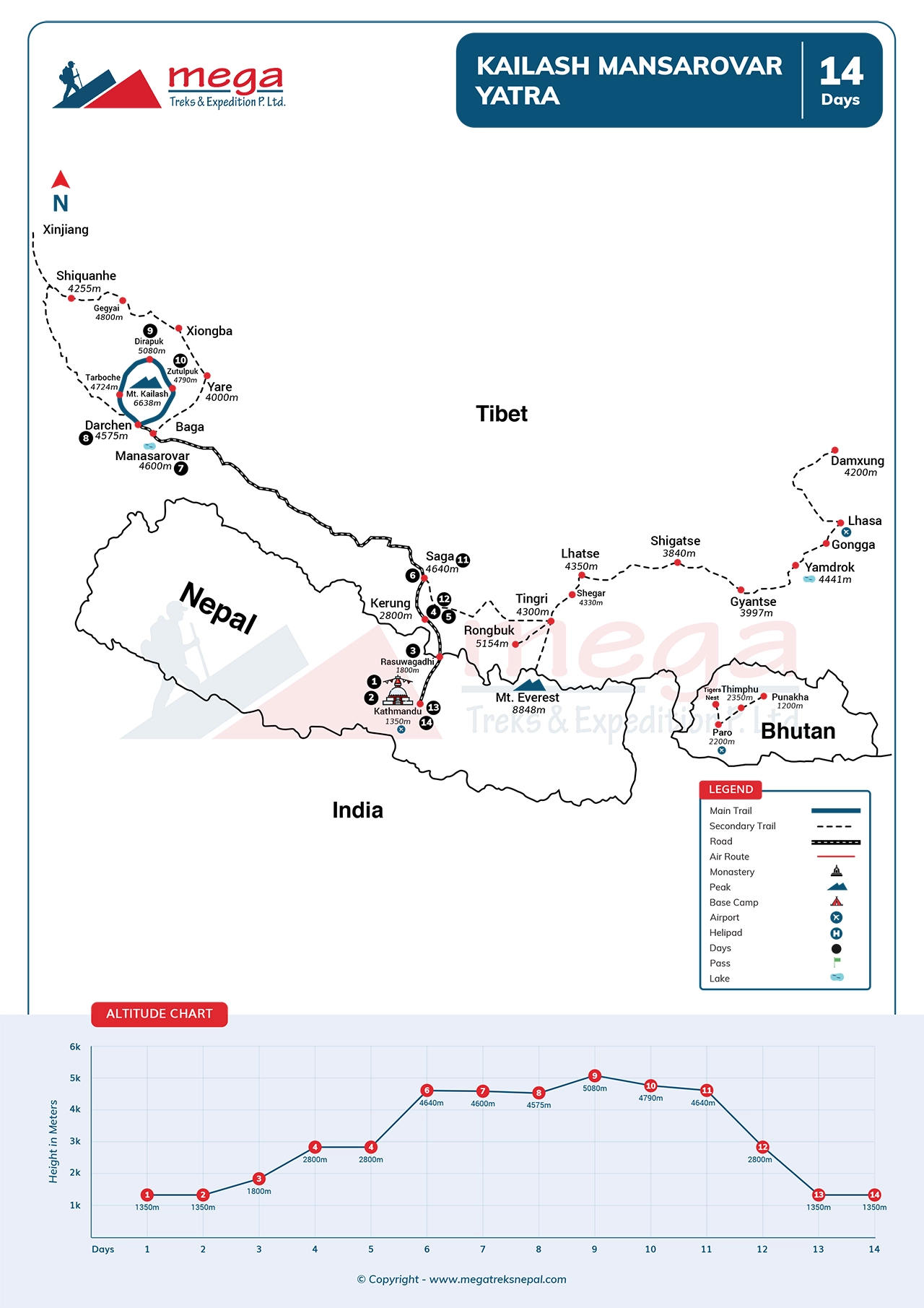
Kailash Mansarovar Yatra is a 14-day journey that involves a mixture of spirituality and sightseeing of the Tibetan Plateau. The trip starts in Kathmandu, where you will explore various key religious sites of Hindus and Buddhists before setting off on the overland trip through the Nepal China border into Tibet. The path traverses Kerung, Saga, Lake Mansarovar, and Tarchen and then finishes the holy Kailash Parikrama around Mount Kailash.
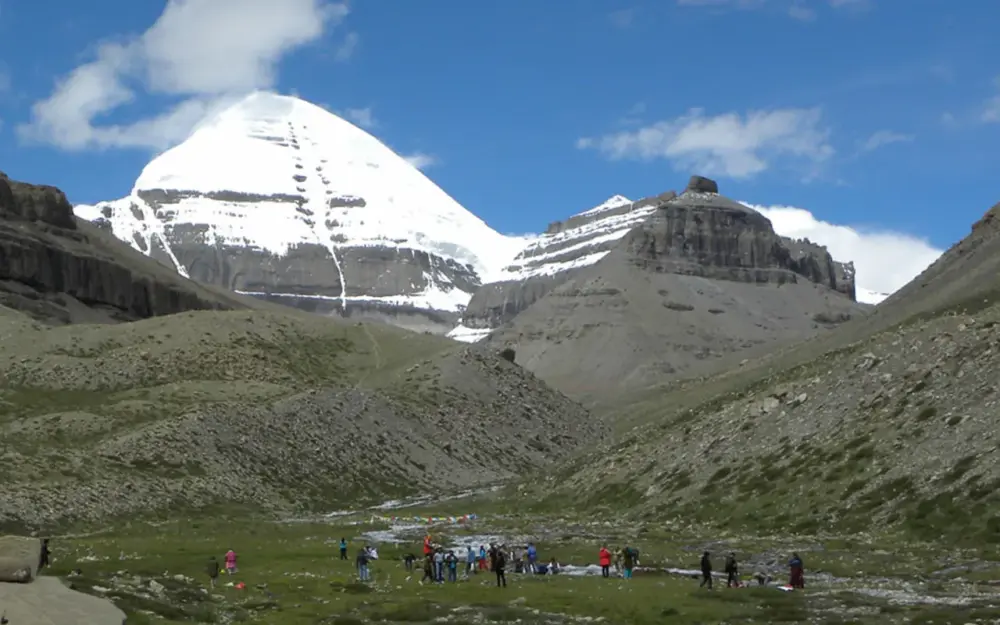
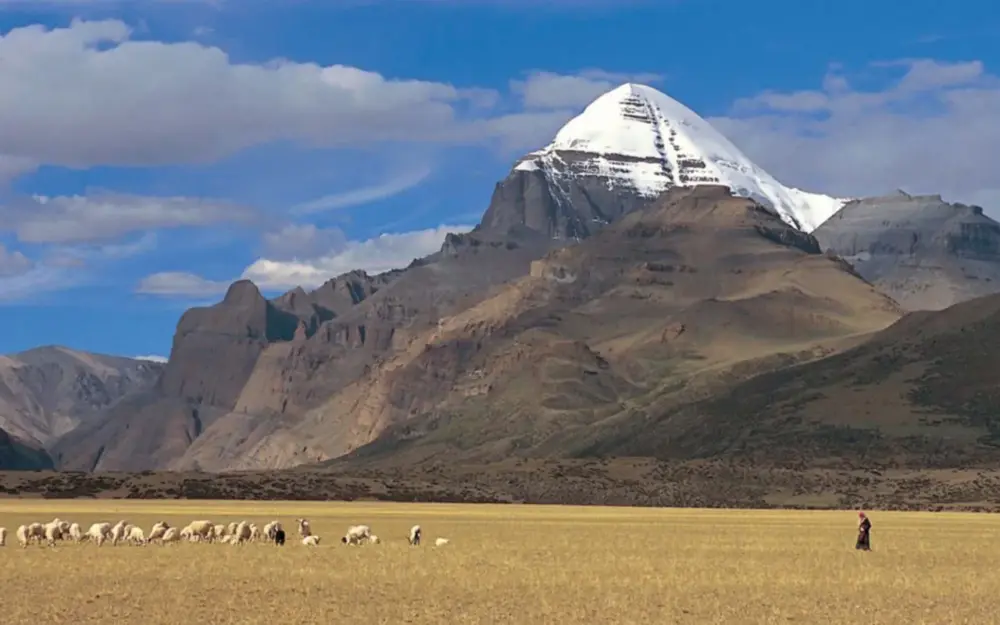
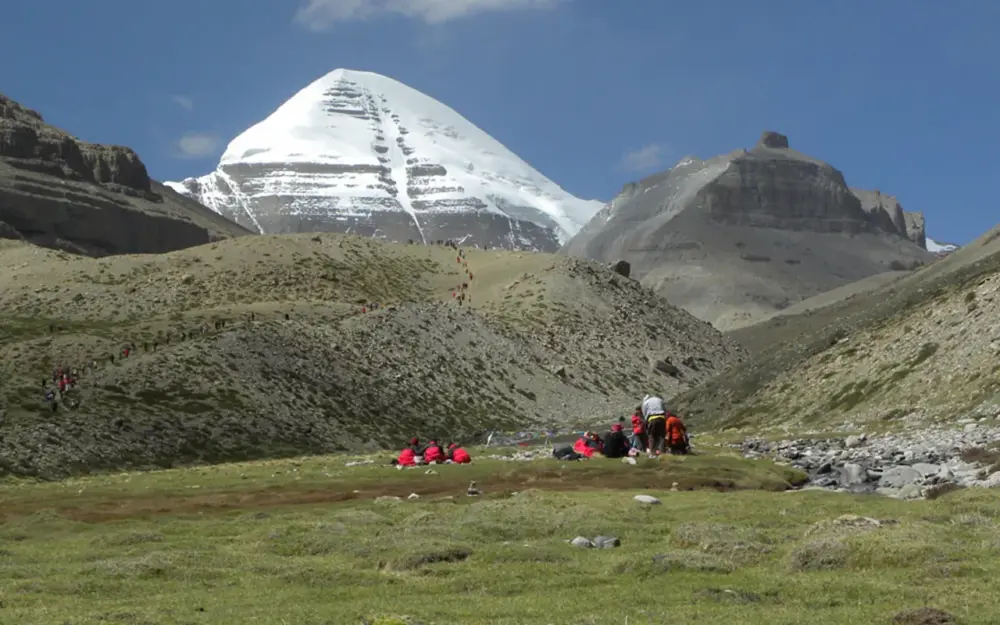
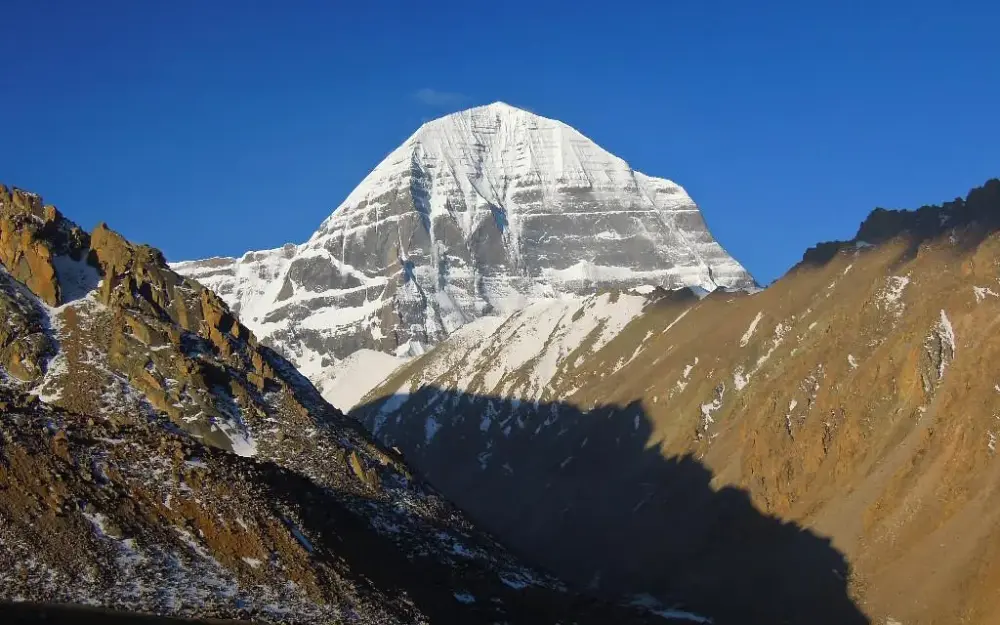
Mount Kailash is considered a holy mountain to Hindus, Buddhists, Jains and the Bon followers. Pilgrims consider that it is a significant form of devotion to get around the mountain in its entirety known as the Kora. The trip also involves a visit to Lake Mansarovar where many tourists pray, meditate or carry out some cultural practices as per their faith before beginning the trek.
The overland road gives gradual increase in altitude which enables the traveller to adapt to the altitude before they travel more up to Tibet. There is a rest day at Kerung or Nyalam to aid acclimatization and then proceed to Saga and Lake Mansarovar. Though the roads are very long, the itinerary is created in such a way that it offers a gradual way to the elevated parts of the journey.
The trekking part starts at Tarchen and uses the conventional three days Kailash Kora. On the first day, we get to Dirapuk which is the place where the north face of the mountain Kailash can be seen. The second day is the most challenging because the trail traverses Dolma La Pass at an approximate height of 5,630 metres and then drops to Zuthulpuk. The last day of trekking finishes the circuit and the drive back to Saga.
Hotels in Kathmandu and major towns, simple guest houses on the trek and basic accommodation in the area of Lake Mansarovar are all accommodations during the trip. Facilities reduce once inside Tibet especially in the trekking area where basic but adequate facilities are available to the route.
At Mega Treks and Expedition, we take care of all the aspects of the trip, such as permit, transportation, skilled guides and logistics services in Kathmandu to the end of pilgrimage. Our team also collaborates with travellers prior to their departure explaining the issue of altitude, necessary documents and preparation so that they can travel with confidence during the Kailash Mansarovar Tour.
This Kailash Mansarovar Tour Package will be ideal to pilgrims and travellers who are healthy and ready to spend long driving days, high altitude, and three days moderate trekking. Through effective planning, effective acclimatization, and local expertise, the trip offers an organised and practical means of fulfilling the holy pilgrimage to Mount Kailash and Lake Mansarovar.
Upon your arrival, a representative from Mega Treks and Expedition will meet you at Tribhuvan International Airport and transfer you to your hotel in Kathmandu. Once you have checked in, you may unwind or take time to sightsee at your own convenience.
We will also conduct a briefing on the trip in the evening to clarify on the itinerary, permit process, border formalities and other crucial information about travelling in Tibet. It is also the opportunity to see your guide, ask questions, and final preparations before starting the Kailash Mansarovar Yatra. A welcome dinner will be served before returning to your hotel for the night.


We will first start with a guided sightseeing tour of three key religious sites in Kathmandu Valley after breakfast. We will visit Pashupatinath Temple, then the Boudhanath Stupa where every day pilgrims and monks pray.
We will then continue to Budhanilkantha, also known as the Sleeping Vishnu, where the large stone statue of Lord Vishnu rests in a sacred pond. We will then resume the sightseeing after which you will go back to the hotel where you will pack your luggage and get ready to travel to Tibet the next day.
After breakfast we will leave Kathmandu and drive towards Nepal China border at Rasuwagadhi. The highway is located in river valleys, villages and small towns before getting to the border region.
On arrival our guide will inform you about the immigration procedures of entering Tibet the next morning. We will stay overnight near the border before continuing the journey.
This morning, we will complete the immigration formalities before entering Tibet. After crossing the border, we will continue by vehicle to Kerung, a small town that serves as the gateway to western Tibet.
Since this is your first day at a higher elevation, the itinerary allows your body to begin acclimatizing to the higher elevation. When we arrive at Kerung you can have a little walk around the town provided you feel like and then get back to the hotel and have a rest. It is advised to remain hydrated and not to engage in unnecessary physical activity.
Today is reserved for acclimatization in Kerung before travelling to higher elevations. To make your body accustomed to the altitude, your guide will suggest that you take a short stroll around the town.
The remaining day is at leisure to rest, keep hydrated and ready to travel across the Tibetan Plateau. The correct acclimatization minimizes the risk of altitude related illness and will make the rest of the Mount Kailash Yatra more comfortable.

We will resume our journey across the Tibetan Plateau to Saga after breakfast. The current drive runs through broad valleys, open grassland, and a number of mountain passes, which on a clear day give a view of the surrounding Himalayan landscapes.
We can also get across the Brahmaputra River prior to arriving at Saga, a key settlement to travellers visiting Mount Kailash. The higher the altitude, the slower we will move and we will keep everyone hydrated throughout the day. You can then spend the night at the hotel in Saga and on the next day you are ready to the trip to Lake Mansarovar.
Today we will drive towards the sacred Lake Mansarovar, an important destination for pilgrims from several religions. The trip proceeds to the Tibetan Plateau where one goes through isolated landscapes and villages. Assuming a good weather we might get the first glimpse of Mount Kailash, some distance away, before arriving at the lake.
Upon arrival, you will get time to walk by the lakeshore, enjoy the quiet atmosphere or personal prayer and meditation. Accommodation near the lake is basic due to the remote location, but staying here is an important part of the pilgrimage experience.
Early in the morning, we will gather at the shores of Lake Mansarovar, where pilgrims may perform puja, meditation, or other religious rituals according to their personal beliefs. Most visitors find this a significant spiritual aspect of the journey, prior to starting the Kailash Kora.
Once the ceremonies are over we will drive to Tarchen, the beginning of the pilgrimage trek around the Mount Kailash. The rest of the day is free to pack your backpack, rest, and other final preparations to the trek that starts the next morning.
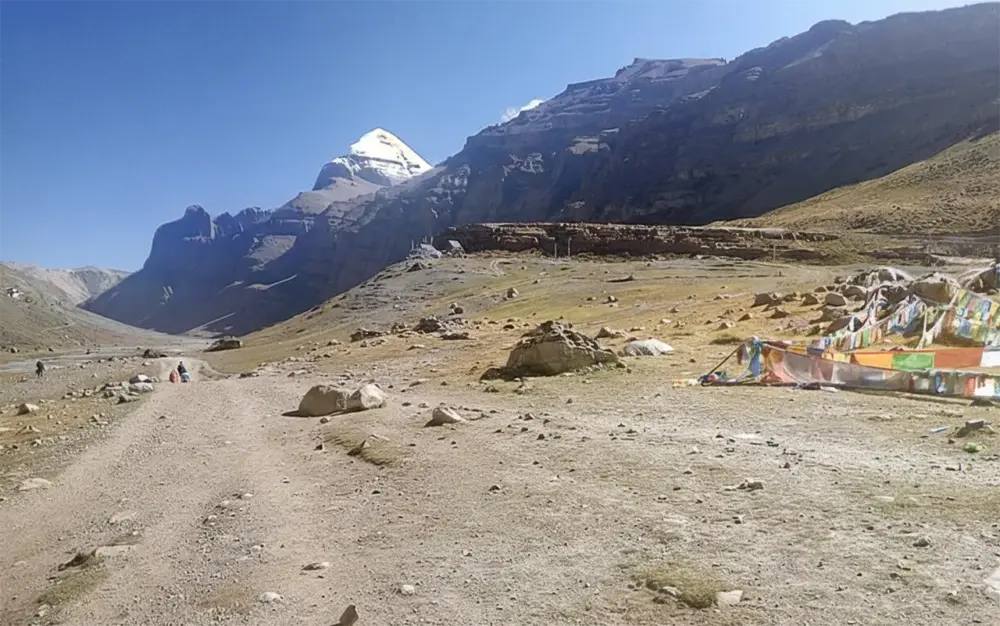
Today we begin the trekking section of the Kailash Mansarovar Tour. We will begin walking through the Lha Chu Valley to Dirapuk, after a short drive to the trailhead, should there be need. The path leads to a slow climb to adapt to the elevated level with time, and to appreciate the serene environment.
The north side of Mount Kailash falls in view as we head towards Dirapuk, giving us a significant experience as many pilgrims. We will spend the night in a simple guesthouse, where basic accommodation and meals are available before the most demanding day of the trek.
It is the most difficult and the longest of pilgrimage days. Early in the morning, we will start slowly ascending up to Dolma La Pass, which is the greatest height of the Kailash Mansarovar Tour Package at about 5,630 metres. After spending a short time at the pass, we will carefully descend along rocky trails towards Zuthulpuk.
The path is one that must be taken patiently and at a slow pace, and more so at a high elevation. After getting to Zuthulpuk we will get ourselves registered in a small guesthouse and get ourselves a good rest after the most strenuous part of the Kailash Kora.
After breakfast, we will complete the final section of the Kailash Kora by following an easier trail back to the point where our vehicle will be waiting. It is a short walk that completes the sacred pilgrimage around Mount Kailash, a significant accomplishment among many pilgrims.
After all are through with the trek, we will start our journey back to Saga, via the same route across Tibetan Plateau. You can spend your time in the hotel after spending several days in the high altitude and then have a good evening after reaching Saga.
Today we will leave Saga and continue our return journey towards Kerung. The route takes the same scenic route through the Tibetan Plateau and through mountain valleys, rivers and open grassland. Most travellers start feeling more relaxed when they have spent a few days in the higher altitudes and we start to lose elevation.
Once at Kerung, you may have a rest at the hotel or have a brief stroll in the town provided that there is time. This is our final overnight stay in Tibet before returning to Nepal.
Following breakfast, we will drive to the Nepal China border and complete the required immigration and customs formalities before re entering Nepal. When the border formalities are completed we will go on with the drive to Kathmandu along the familiar hills and river valleys.
Upon reaching your hotel, you will be able to relax or even sightsee the city by yourself. Later in the evening we will have a farewell dinner to remember the successful completion of the Kailash Mansarovar Yatra.
Your Kailash Mansarovar Tour comes to an end today. We will drop you to Tribhuvan International Airport, where you will continue your flight depending on your flight schedule. Make sure you do not leave the hotel without bringing all your travel documents and personal belongings.
Our team at Mega Treks and Expedition thanks you for travelling with us and wishes you a safe flight home. We are looking forward to see you once more in Nepal or Tibet on a pilgrimage or trekking trip.

You can cutomize this trip as per your requirements if met the proper guidelines.


The Kailash Mansarovar Yatra is a moderate to difficult pilgrimage that involves extended overland journeys as well as three days of high altitude trekking. No technical climbing skills or prior mountaineering experience are necessary on the route, although participants must be physically fit to spend long hours walking and travelling in isolated mountain areas. Having a reasonable fitness and a positive attitude will make the journey a lot more comfortable.
The hardest day is the crossing Dolma La Pass at about 5,630 metres. Even slow ascents at this altitude may prove more challenging because of the decreasing oxygen concentration. To enhance the safety and comfort of the Kailash Mansarovar Yatra, we suggest regular walking, hiking, climbing stairs or other types of cardiovascular exercises prior to the trip to get used to endurance and make the Kailash Mansarovar Yatra easier.
Accommodation during the Kailash Mansarovar Tour changes as the journey progresses through Nepal and Tibet. You will be staying in a good tourist standard hotel in Kathmandu before and after the pilgrimage. Hotels in Kerung, Saga and Tarchen offer clean rooms equipped with basic facilities needed by travellers spending the night in the high altitude.
The simple guesthouses with shared rooms and minimal facilities are available during the Kailash Kora. An overnight stay near Lake Mansarovar is generally in a basic guesthouse or mud house due to the remote location. Facilities get more primitive in these locations, but they are adequate to the route and offer a comfortable spot to rest at the end of the day.
The food offered in the Mount Kailash Yatra is basic, fresh, and cooked in respect to the facilities that are offered along the path. Most days include breakfast, lunch and dinner, with the most common foods being rice, noodles, vegetables, soup, eggs, bread and seasonal foods. There are also a lot of vegetarian meals that are present during the pilgrimage.
It is necessary to drink a lot of water when travelling at a high altitude. Most hotels and guesthouses provide boiled drinking water and bottled water can be bought in bigger towns along the road. To make the Mount Kailash Yatra easier, we suggest that you carry a reusable water bottle along with purification tablets or a small filter.
The Kailash Mansarovar Yatra is best done during spring (April to June) and autumn (September to October). It is the months when the weather is usually stable, the roads are in good condition, and the mountains can be viewed more clearly all over the Tibetan Plateau. Travelling at such times also offers more comfortable temperatures during the day when driving and trekking.
Mountain weather can change quickly at any time of the year. Mornings and evenings are cold, even in the suggested seasons, particularly around Lake Mansarovar, and on the Kailash Kora. It is better to carry warm layered clothes, gloves, and a good down jacket to keep you warm during the Kailash Mansarovar Yatra.
Another significant consideration in the Kailash Mansarovar Tour Package is the altitude since most of the trip occurs beyond 4,000 metres. It might also cause some travellers to have headaches, feel dizzy, nauseated, abnormal fatigue, or uninterested in eating. These symptoms must not be overlooked and must be reported to your guide as soon as possible.
Your body will need time to adapt, so we have an acclimatization day in Kerung or Nyalam, and then proceed to higher altitudes. Slow walking, proper hydration, regular meals, and sufficient rest are all helpful in making the journey safer. Correct acclimatization will significantly enhance your comfort during the Kailash Mansarovar Tour Package and decrease the possibility of altitude related illness.
A visit to the Kailash Mansarovar Yatra entails both Nepal and Tibet travel permits. Nepal tourist visa can be acquired in Tribhuvan international airport or a Nepalese embassy by most international travellers prior to their departure. As visa requirements may change, we recommend checking the latest regulations before making your travel plans.
The Chinese group visa and other travel documents are done to enter Tibet. Individual Chinese visas cannot normally be used for this route when entering Tibet from Nepal. Our Mega Treks and Expedition team will help with the necessary paperwork and give you clear instructions on the documents you must have prior to the Kailash Mansarovar Yatra.
The Kailash Mansarovar Tour requires a number of permits since the pilgrimage is located in the Tibet Autonomous Region. These are Tibet Travel Permit and other local travel permits that are necessary to visit Mount Kailash and Lake Mansarovar. Sightseeing is not allowed and all visitors should be accompanied in an organised group with an approved operator.
Mega Treks and Expedition will make all the requisite permits prior to your Kathmandu departure. To prevent inconveniencing time, you are expected to present valid passport, passport size photographs (where applicable), and the necessary papers within the required time. We will stay in touch with you during the permit application process and make you aware when all is finished.
During the Mount Kailash Yatra, your health and safety are of utmost importance to us. Our guides keep an eye on the health of every traveller along the way and give tips on rehydration, pacing, and acclimatization. Should any of us experience altitude sickness, or any other symptoms, our group will determine the cause and take suitable measures.
Due to the pilgrimage location being remote, there are few medical facilities once you are in Tibet. Before travelling, we recommend consulting your doctor, especially if you have any pre existing medical conditions. It is also a good idea to carry personal medication and a small first aid kit to make your Mount Kailash Yatra a little more comfortable.
Transportation in the Kailash Mansarovar Tour Package will cover airport transfers, Nepal in private vehicles, and comfortable transports in Tibet. The trip is by land via Nepal China border and then onwards through Kerung, Saga, Lake Mansarovar and Tarchen. This will enable travellers to ascend at a slow pace until they start on the Kailash Kora.
Roads can be good or bad depending on the area and weather conditions, and sometimes traveling time can vary. Our experienced drivers and guides closely monitor road conditions and adjust the schedule whenever necessary to provide a safe and comfortable journey. We suggest maintaining a loose travel schedule, since weather conditions and crossing of borders may occasionally influence the general schedule.
It is highly advisable that all those involved in the Kailash Mansarovar Yatra take comprehensive travel insurance. As the pilgrimage is above 5,600 metres in altitude, and covers remote regions of Tibet, your insurance policy must cover high altitude trekking, emergency medical treatment, hospital care, and emergency evacuation (where applicable).
Read your policy before travelling, to make sure that it includes everything planned on the itinerary of activities and destinations. We also suggest that you have both hard copies and soft copies of your insurance, and in case of emergency, contact information. Proper insurance is an added advantage of the Kailash Mansarovar Yatra.
A lot of travellers prefer to spend some additional days in Nepal during or after the Kailash Mansarovar Tour. There are a number of cultural and religious sites in Kathmandu (such as ancient temples, monasteries, and UNESCO World Heritage Sites), which could be visited at a slow pace. Other travellers also choose to stay in the city upon returning to Tibet before they travel home.
We can also make extensions to other destinations like Pokhara, Chitwan national park or other well known trekking destinations in Nepal in case you have more time. Our Mega Treks and Expedition team will be glad to suggest an itinerary that will suit your interests, travel schedule and budget.
Mount Kailash Yatra package involves accommodation, transport, permits, guide services and meals as indicated in the itinerary. Nevertheless, you will have a number of personal costs to consider before taking the trip. These usually comprise international flights, Nepal visa fees, travel insurance, personal trekking gear, laundry, snacks, drinks and guide and support staff tips.
Other costs can also be added such as bottled water, hot showers, refilling of electronic gadgets, WiFi services where applicable and personal purchases made throughout the trip. It is advisable to bring some cash in order to purchase these things because there are not many places in Tibet, where the facility of card payments is provided.
The Kailash Mansarovar Tour Package has restricted communication facilities when one passes into Tibet. WiFi might be available in hotels in larger towns like Kerung, Saga, and Tarchen, but the connection can be slow and an extra fee might be charged. It is possible to have mobile network coverage in certain locations, but not to be expected in all places along the route.
Most hotels and guesthouses have charging facilities, although power can be cut off in isolated areas. It is advisable to bring a power bank and the corresponding travel adapter to ensure that you can keep your important devices charged during the Kailash Mansarovar Tour Package.
Photography is allowed in most of the outdoor locations during the Kailash Mansarovar Yatra where travellers can take photographs of mountain scenery, Lake Mansarovar and landscape. However, we encourage everyone to ask for permission before photographing local residents, monks, religious ceremonies, or activities taking place inside monasteries and temples.
The use of drones in Tibet is highly regulated and frequently needs pre-authorization by the corresponding authorities. Flying a drone without permission may result in fines or confiscation of the equipment. In case you intend to carry a drone then kindly inform our staff before traveling to Kailash Mansarovar Yatra and they will provide you with the most updated laws on drones.
Respect for local customs and the environment is an important part of the Kailash Mansarovar Tour. Do not litter on the pathway and bring your garbage until you have appropriate disposal sites. It is also advisable to use a reusable water bottle as opposed to the single use plastic bottles as much as possible.
Do not take stones, religious objects, and other cultural artefacts out of the immediate vicinity and whenever you come to temples, monasteries or other sacred sites, you must take the instructions of your guide seriously. Being respectful of local traditions and to other pilgrims will serve to maintain the spiritual and cultural significance of the area to the future visitors.
The official currency in Tibet is Chinese Yuan (RMB). It is better to exchange sufficient currency prior to Kathmandu or at authorized exchange points because after you get into Tibet, you can hardly get banking and exchange facilities.
Only some of the larger hotels accept credit cards, and most guesthouses, local shops and small restaurants are cash-based. Enhancing your trip will be made easier by carrying enough Chinese Yuan to finance your personal expenses which may include drinks, snacks, charging fees, souvenirs and other incidental purchases.
Kailash Mansarovar Yatra is ideal to be undertaken by adults in good general health with the capacity to walk a few hours daily at a high altitude. Prior experience in trekking is desirable, although not necessary, provided that participants are in good physical condition and are aware of the difficulties of higher than 4,000 metres travelling.
This pilgrimage is favored by followers, nature lovers and those travellers who want to visit Mount Kailash and Lake Mansarovar. In case of a pre existing medical condition, we advise you to consult your doctor before making the trip. Our team will also be glad to talk to you about your fitness level and also find out whether this is the journey worth taking.
Responsible travelling in the Kailash Mansarovar Tour preserves the beauty of the natural environment and the cultural heritage of the local people. We encourage travellers to minimise waste, avoid single use plastics where possible, and use refillable water bottles throughout the journey.
Always respect religious sites, monasteries, local customs and other pilgrims. Leave everything as you found it and follow the instructions of your guide. In this way you will help to preserve this valuable pilgrimage route for future generations to come and responsible tourism in the area.
If it is your first time to Tibet, good preparation before departure will make your Kailash Mansarovar Tour Package more enjoyable. We suggest that you arrive in Kathmandu at least a day or two before the trip to complete necessary paper works, attend the trip briefing and sort out your equipment without rush.
Before you travel, ensure that you exercise your fitness by walking or light cardiovascular work. Break in your trekking boots before the trip. Keep hydrated throughout the journey and listen carefully to your guide’s advice. Flexibility of mindset can also be beneficial, since weather, roads, and border processes can sometimes influence the travel time.
Yes. Pilgrims may exercise prayers or meditation, or perform puja or other religious practices at Lake Mansarovar as per their beliefs. These activities will be permitted by your guide, and then you will proceed to Tarchen.
Yes, bathing is permitted, but it is a personal decision. Because the water is extremely cold all year round, most pilgrims prefer to do a symbolic ceremony instead of having a complete bath.
Yes. The Kailash Mansarovar Yatra is accessible to travellers of every religion and origin. Although it is one of the significant pilgrimages of Hindus, Buddhists, Jains, and Bon followers, a substantial number of people attend it to have the cultural and natural significance of the area.
The government and weather conditions control border crossings. In case of unforeseen events, Mega Treks and Expedition will update you and provide appropriate alternative arrangements wherever feasible.
We recommend carrying enough Chinese Yuan (RMB) to cover personal expenses such as snacks, drinks, souvenirs, charging electronic devices, and other optional purchases. Before leaving Kathmandu, your guide will recommend you on how many of them you should take.
The ATM services are available in certain towns though they might not always accept international card. To prevent inconvenience, it is preferable to withdraw or swap adequate cash prior to entering Tibet.
Kathmandu and large towns have generally western style toilets in their hotels. During the Kailash Kora and in remote areas, basic shared toilet facilities are more common.
Yes. Tarchen normally has horses and local assistants who can be hired to help those who seek assistance during the trek. The hiring cost is paid directly, and is not included in the package price.
There might be some support teams and even some medical facilities in Tibet who can provide basic oxygen support, but this should not be counted upon during the journey. Your guide will constantly check the status of the group and advise on what to do in case of development of altitude related symptoms by anyone.
In case you cannot proceed because of medical or personal factors, your guide will get you the most appropriate alternative, depending on where you are and the local laws. Your safety will always be in the first place.
In larger towns like Kerung, Saga and Tarchen, the coverage of mobile networks is good though the signal might be weak or not available in remote locations. Friends and family should be aware that communication may be limited during parts of the journey.
The Kailash Mansarovar Tour has transportation in comfortable tourist vehicles that can handle road conditions and the size of groups. All overland transfers are carried out by experienced drivers well versed with the route.
Yes. In case you are allergic to food or you have special dietary needs, then please inform us at the time of booking. We will do our best to make suitable arrangements, although meal choices become more limited in remote parts of Tibet.
Most towns along the route have bottled drinking water, but the further into Tibet, the higher the price. Travellers also use purification pills or portable water filter to be more convenient.
The trek is mostly suitable to adults due to its altitude and the physical nature of the trek. Families who travel with older teenagers can also contact us in order to discuss the suitability of the itinerary.
The travel schedule may occasionally be influenced by the road conditions, weather, and government regulations. We will also make alterations to the itinerary when the need arises due to delays and update everyone on the progress.
We suggest carrying only the necessary items on the trip. The trekking experience will include carrying your daily needs, and your main baggage will be stored in your support vehicle when you are not on the trek.
Yes. After completing the Mount Kailash Yatra, most of the travellers decide to spend some more time in Nepal. Mega Treks and Expedition can make additional hotel stays, sightseeing tours, or destinations additions to destinations like Pokhara or Chitwan.
The tipping is not compulsory but is welcome in case you like the service that was offered by your guide, driver and support staff. The amount is entirely your choice and is usually offered at the end of the trip.
We suggest that you book the Kailash Mansarovar Tour Package a few months ahead of your desired date of departure. Early booking provides enough time to complete the required travel documents, process permits, and prepare for the journey without unnecessary pressure.


 Write a Review


