
Talk To Expert
Mail Us

Trip Duration
7 Days
Group Sizes
2 to 25 People
Difficulty
Moderate
Max. Altitude
4200m
Activities

Meals

Accommodation
The Lapchi Valley Trek is a short but rewarding trek into a remote Himalayan valley in Dolakha District of eastern Nepal near the Tibetan border. The route is also closely associated with Tibetan Buddhism and the meditation sites of the revered yogi Milarepa. Though the trek is fairly short, it offers mountain views, religious sites and small villages, and is a good option to consider when trekkers want to explore a more peaceful area of Nepal.
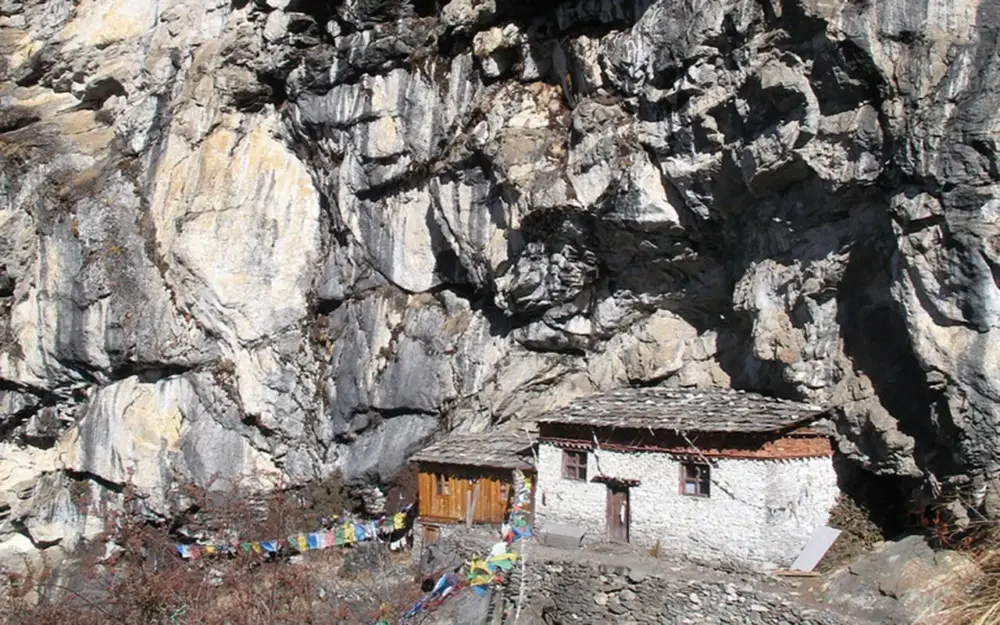
The journey begins with a picturesque ride through Kathmandu into Lamabagar where the trekking path starts. In the next few days, we will slowly climb through forests, river side tracks, and alpine terrains to Lapchi Monastery. This ancient monastery is frequented by pilgrims, monks, and travelers, who visit to feel the peaceful mood and the religious meaning of this historic monastery. The trail also passes Milarepa Cave, where it is believed the great Tibetan saint spent time in meditation. These areas continue to be significant pilgrimage destinations to Buddhist adherents in Nepal and Tibet.
We will spend full day exploring the upper valley, allowing time to visit nearby meditation hermitages and hike to Manjushree Lake. It is the section of the trip that will allow them to explore the natural environment in a leisurely way and to learn more about the religious practices that still influence the lives of people living in Lapchi. The route back to Kathmandu follows the same path after visiting the area, back to Lamabagar.
During the Lapchi Valley Trek Nepal, accommodation will be provided by simple local lodges and community accommodation along the way. Facilities are simple and offer a comfortable rest after walking a day. Hot meals will be served throughout the trek, and our experienced guide will accompany you, explaining the route, local culture, and daily trekking conditions.
All the transportation, permits, accommodation, and trekking are handled by Mega Treks and Expedition to allow you to enjoy the experience. The itinerary will be done in a relaxed manner whereby our team will not be in a hurry to complete the journey since there will be time to visit the key religious sites.
The Lapchi Monastery Trek is suitable for trekkers with a reasonable level of fitness who enjoy walking through remote mountain landscapes and visiting places of cultural and spiritual importance. Whether your interest is trekking, Buddhism, or simply exploring a less visited part of Nepal, the Milarepa Cave Trek provides a meaningful journey through one of the country’s quieter Himalayan valleys.
Your Lapchi Valley Trek starts with an early morning drive of Kathmandu to Dolakha District. This route passes through the highways of Arniko and Charikot and proceeds along the Singati road to the upper Tama Koshi Valley. We will leave the bustling city behind us and the landscape is slowly transformed to terraced agricultural lands, rivers, woods and the old hillside villages.
Upon arrival at Lamabagar, we will stay at a lodge locally and get ready to begin the trek. Before we start walking the next morning, your guide will give you a last briefing on the trail, the weather, and the days ahead.


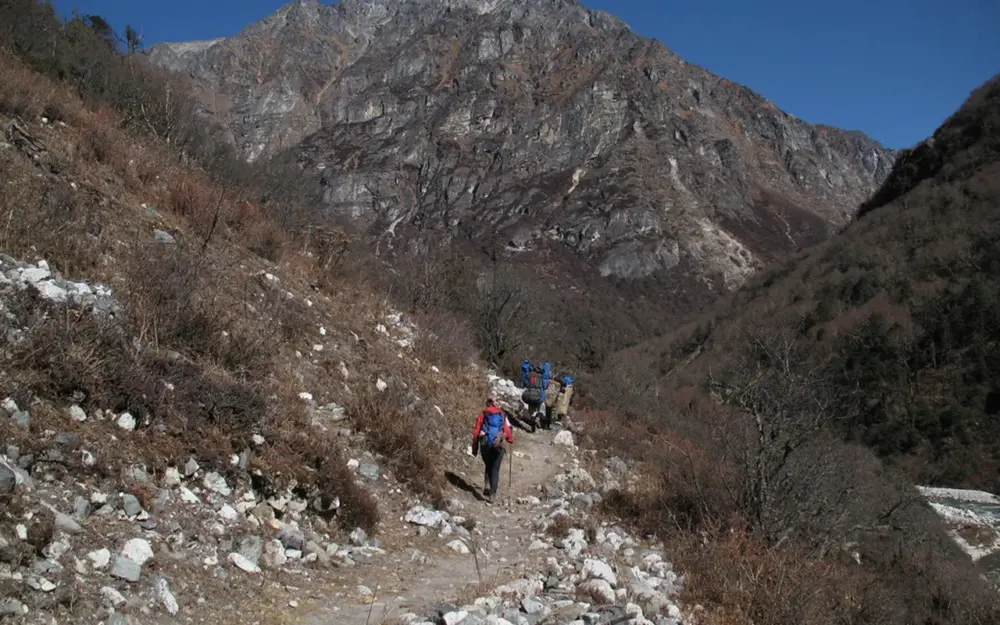
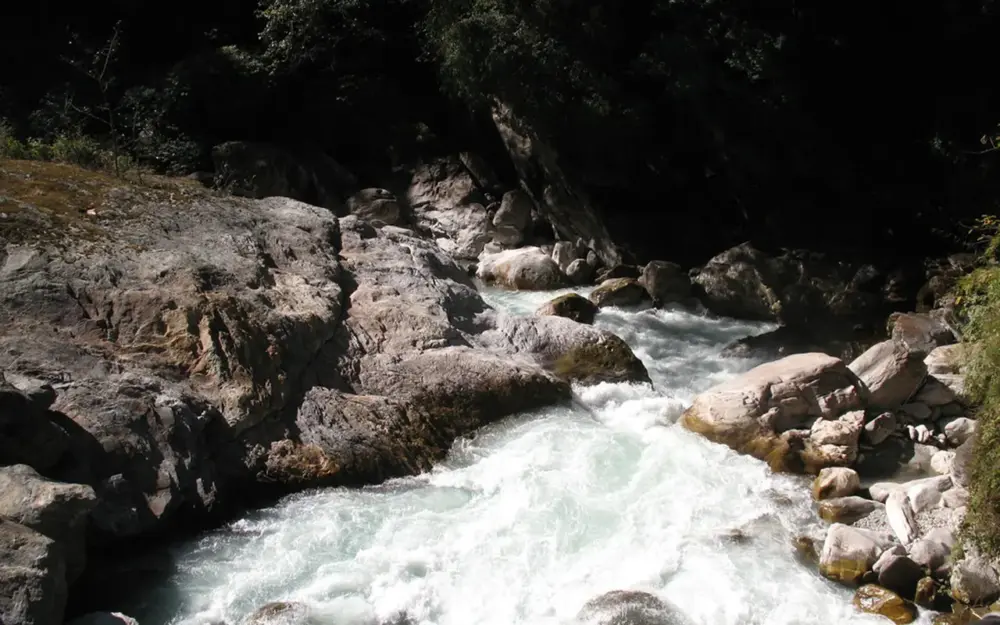
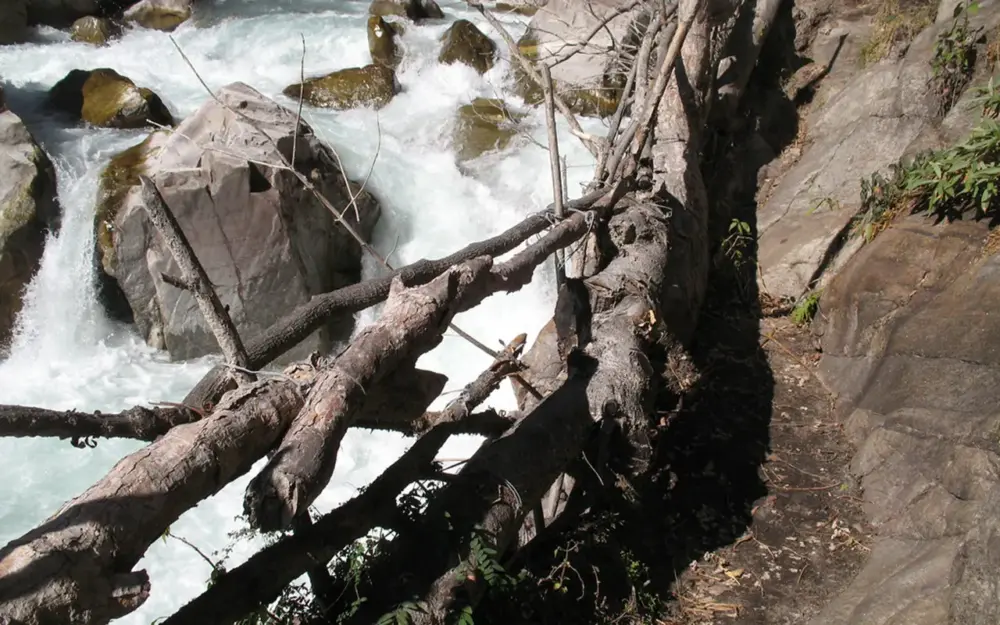
Today we will begin trekking by following the trail along the Lapchi Khola. The road steadily ascends through woods, riverside lanes, and small pasturelands and traverses a few wooden bridges and suspension bridges. The deeper we enter the valley the fewer signs of modern settlements there are and the closer we are to a quieter mountain setting.
In the afternoon we will reach Lower Lumnang, where we will take up our abode at night. Lower Lumnang has a small settlement with basic accommodation where we will rest before continuing toward the upper valley the following day.
Leaving Lower Lumnang behind, we will continue climbing through alpine landscapes as the valley gradually opens around us. The path runs along the river and then to the historic Lapchi Monastery which is a major Buddhist pilgrimage site that is closely related with the Tibetan yogi Milarepa. There are prayer flags, chortens and stone mani walls which are placed to the entrance of the monastery.
Upon arrival at the monastery, we will have time to look around and see the serene environment before settling into our accommodation. Staying overnight here will enable us to have a glimpse of everyday life in this significant religious centre as we plan on the next day to explore it.
Today is dedicated to exploring the upper valley. We will visit nearby meditation hermitages connected with Milarepa before continuing to Manjushree Lake. The climb is over mountain paths above the monastery and it offers expansive views of the surrounding high alpine scenery and peaks.
Having spent some time in the lake and the adjacent holy places, we will visit Lapchi Monastery in the same direction. The remainder of the afternoon can be spent relaxing, visiting the monastery, or enjoying the peaceful surroundings before our return journey begins the next day.
After breakfast, we will begin our descent from Lapchi Monastery and retrace the trail back to Lumnang. The walk back gives us another chance to appreciate the mountain scenery, rivers, and forests that accompanied us on the ascent. It also helps to relax the walk of the day since the descent is gradual.
At late afternoon we will arrive at Lumnang, and stay the night at a local lodge. The evening is free to relax and reflect on your visit to Lapchi Monastery, Milarepa Cave, and Manjushree Lake before continuing to Lamabagar the following day.
Today we will continue our descent by following the same trail back to Lamabagar. The trail goes through the forest, suspension bridges and along the Lapchi Khola, descending gradually. The descent of the hill offers another view of the valley where the familiar scenery looks very different when returning.
We will arrive in Lamabagar in the afternoon and enter our lodge where we shall spend the last night of the trek. The evening is an opportunity to unwind, reminisce about the trip with your guide and other trekkers, and get ready to drive back to Kathmandu the next morning.
After breakfast, we will leave Lamabagar and begin the drive back to Kathmandu. It travels along the Tama Koshi Valley along Singati and then it connects the highway to the capital. On our route, we cross rivers, terraced hillsides, and little settlements that indicate the last point of the journey.
On reaching Kathmandu, our Lapchi Valley Trek is terminated. Mega Treks and Expedition will take you to your hotel or even make your further traveling arrangements in case you are going to another destination in Nepal. We believe the trip has provided you with a chance to enjoy the serene scenery, Buddhist culture and the isolated mountain roads that are so unique to the Lapchi region.

You can cutomize this trip as per your requirements if met the proper guidelines.


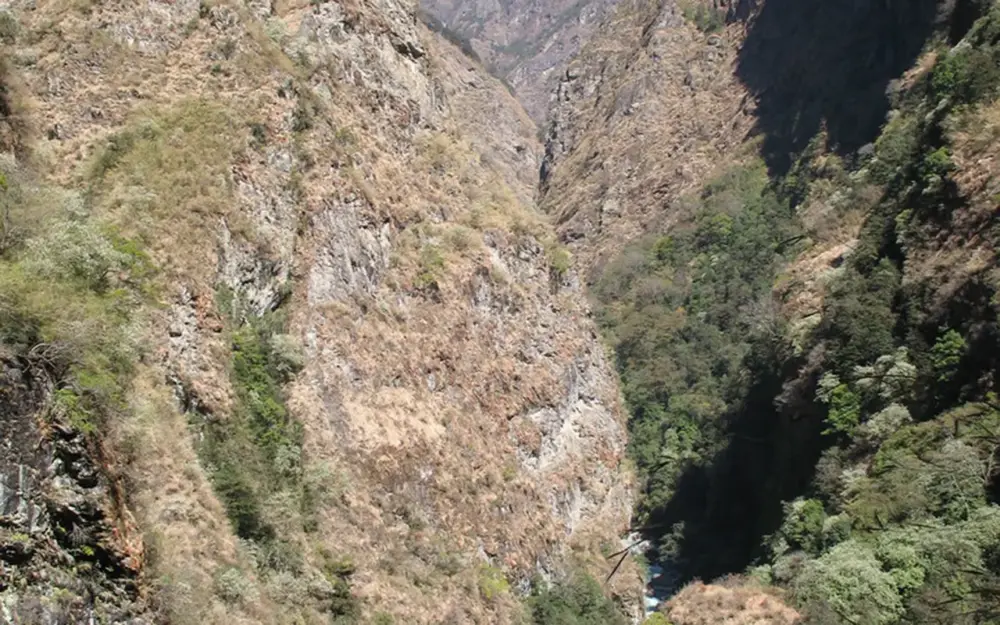
The Lapchi Valley Trek is a medium-level trek which involves days of long distance driving with a few days of walking that includes remote mountainous terrain. The path traverses woods, valley of rivers, rocky areas and slow ascents towards Lapchi Monastery. The trek does not involve any technical climbing experience, but the participants are expected to be ready to spend days of the trek in a row, hiking at moderate altitudes.
The ultimate destination of this route is the hiking trip to Manjushree Lake, which is about 4,200 metres high. Before your trip, regular walking, hiking, or other cardiovascular exercise will help to make your Lapchi Valley Trek more comfortable. Walking slowly and listening to your guide will also make you enjoy the trip safely.
The Lapchi Valley Trek Nepal includes a tourist standard hotel in Kathmandu and basic monastery guesthouses, community homestays, or camping during the trek, depending on local availability and the season. In rural villages, where the mountain is remote, facilities are dotted about, though they offer a comfortable refuge to sleep at after a day of walking.
There is usually twin sharing of rooms with bathrooms and food areas shared with other trekkers and other local visitors. By staying in these locally operated places, you also have a chance to enjoy the hospitality of the mountain locals and contribute to the local economy.
The Lapchi Monastery Trek provides meals that are cooked in local lodges using fresh ingredients found in the area. Breakfast, lunch, and dinner typically consist of traditional Nepali cuisine and simple food like noodles, soup, potatoes, eggs, rice, vegetables and seasonal produce. During the trek vegetarian meals are served.
Most lodges sell boiled drinking water and some villages along the road may have bottled water. To reduce plastic waste, we recommend carrying a reusable water bottle together with water purification tablets or a portable filter. It is also important to maintain a good level of hydration particularly during walking at elevated levels.
Lapchi Valley Trek is best during the spring of March-May and the fall of September-November. In these months, the weather is usually more predictable, the skies are usually clearer and the trails are easier to trek. These seasons also provide comfortable daytime temperatures for walking.
It gets colder during winter, especially in Lapchi Monastery and Manjushree Lake where there can be snow. The summer monsoon may lead to bad accessibility of roads and muddy or slippery trails. Knowing the correct season also helps to enjoy the Lapchi Valley Trek and avoid the chances of weather delays.
Even though Milarepa Cave Trek is much lower in elevation compared to other high Himalayan treks, the altitude must be considered. Some trekkers can have mild symptoms of headaches, tiredness, or shortness of breath as you gain height. At the first sign of any discomfort, be sure to report it to your guide and then the situation can be controlled safely.
This itinerary will rise slowly, allowing your body some time to adapt to the situation before you reach the peak of the journey. Taking time to walk, consuming a sufficient amount of water, having a balanced diet, and having enough rest every day are all beneficial in alleviating the chances of developing altitude related illness and also make the trip more enjoyable.
International travellers joining the Lapchi Valley Trek must have a valid passport and a Nepal tourist visa. A majority of tourists are able to secure a visa at the Tribhuvan International Airport in Kathmandu whereby others can decide to seek a visa at a Nepalese embassy prior to travelling. The visa rules may change thus we suggest that you check the most recent requirements before traveling.
You should have a valid passport, which must be within six months of your arrival date in Nepal. Our staff at Mega Treks and Expedition will also advice on the documents that will be needed during the trek and guide in any paper work concerning the permits before the trip commences.
The Lapchi Valley Trek Nepal requires the permits that are applicable at the time of travel. The permits required for the Lapchi Valley Trek may include local government entry permits and any special trekking permits required under current government regulations. Our team will arrange all necessary permits before the trek begins.
In order to process the permits, you will be required to present a valid passport, passport sized photographs wherever necessary and your Nepal visa information. We suggest that these documents be submitted well in advance to ensure that all arrangements are finalized prior to leaving Kathmandu.
During the Lapchi Monastery Trek, we are concerned about your safety. Our trained trekking guides also keep an eye on the welfare of the group on a daily basis and give guidance on the pace of trekking, hydration, and acclimatization. If you feel unwell or notice any symptoms related to altitude or fatigue, please inform your guide immediately so appropriate action can be taken.
Healthcare services are minimal after the trek goes off-road, and one usually needs to bring any personal medication. Our trekking team also carries a simple first aid kit to help with minor accidents and frequent health issues on the way.
The Lapchi Valley Trek will involve a private vehicle transport between Kathmandu and Lamabagar as indicated in the itinerary. The approach goes up mountain highways and local roads across Dolakha region to the trailhead. Once we have finished the trek, we head back to Kathmandu by the same route.
The road might also be different according to the season, especially during the monsoon season where the rainfall might cause changes in the time of traveling. Our drivers are well trained and they know these mountain roads and they are always concerned about safe travel. We also advise that you be a little loose in your overall travel plan, particularly when there is an international flight immediately after the trek.
Thorough travel insurance is highly encouraged to all the participants of the Milarepa Cave Trek. Your policy ought to include trekking to the highest point of this itinerary, emergency medical care, hospital bills, and helicopter evacuation where possible.
This trek is not as long as most of the Himalayan trails, but it remains a trek through remote mountainous regions where medical facilities are scarce. Prior to travelling, you need to ensure that your insurance policy covers the trekking activities in Nepal and also carry a copy of your insurance details with you during the trip.
Communication facilities are limited in the upper sections of the Lapchi Monastery Trek. Mobile network coverage is usually accessible in Kathmandu and few lower villages, however, the signal might fade away or become inaccessible the further into the valley you go. There is limited internet access and WiFi cannot be assumed at all the places one will stay overnight.
Some accommodations offer charging facilities for phones, cameras, and other electronic devices for an additional fee. Electricity can be provided by the local power network or solar energy, therefore, the availability can differ depending on the location. Carrying a fully charged power bank is recommended, especially if you plan to use your electronic devices regularly during the trek.
The Lapchi Valley Trek will take you through villages, monasteries, meditation spots and mountain scenery which are popular sites among trekkers to capture images. Photography is usually allowed on the trail, although we recommend that you request permission before capturing images of monks, local people or religious rites. Respecting local traditions serves to make the experience of both the visitors and the local people a success.
Drone use in Nepal is regulated and may require permission from the relevant authorities before flying. There might be extra restrictions on certain religious sites and safeguarded regions. In the event that you intend to carry a drone, please call our team before you depart to seek advice on the current regulations, and any permits that might be needed.
After completing the Milarepa Cave Trek, many travellers choose to spend a few extra days exploring other parts of Nepal. The most common ones are sightseeing Kathmandu, visiting Bhaktapur or Patan, rest in Pokhara, or continue another trekking trail as time permits.
Mega Treks and Expedition can also organize more accommodation, transportation, sightseeing tours, or tailor made trekking itineraries according to your travelling plans. Should you wish to continue your vacation, just inform us in advance or at the time of visit, and we will be glad to help you to make the arrangements.
The Lapchi Valley Trek package includes the services outlined in the Cost Includes section, although you should budget for personal expenses during the trip. These can be hot showers, charging batteries where they exist, WiFi where it is available, bottled beverages, snacks, laundry, and personal purchases, and tips to your guide and porter.
There are no ATM machines on the trekking path, and thus we advise you to bring with you sufficient Nepalese Rupees when you depart Kathmandu. The additional cash will also enable you to cover optional services and personal expenses without any problem in the trek.
The Lapchi Valley Trek Nepal explores significant Buddhist monasteries, meditation caves, and sacred places where reverent behaviour is anticipated. Please dress appropriately when visiting monasteries, obey your guide, and seek permission before entering restricted areas or photographing monks and local residents.
Contribute to the preservation of the natural environment by not littering and holding your waste until you can get to a proper disposal site. We also promote the use of reusable water bottles over single use plastic bottles where we can. The preservation of the cultural and natural value of Lapchi Valley to future visitors by respecting the local traditions and the surrounding environment.
If this is your first visit to the Lapchi region, taking a little time to prepare before departure will help you enjoy the Lapchi Monastery Trek with greater confidence. Several weeks of light hiking or regular walking will help you to become fit and make the everyday trekking stages more comfortable. We also recommend arriving in Kathmandu at least one day before departure to attend the trip briefing and make any final preparations.
On the trail, maintain a comfortable pace, keep well hydrated, and have frequent breaks when necessary. The weather in the mountains is unpredictable and it is very convenient to be flexible in case there is a need to revise traveling plans. Listening to your guide’s advice, respecting local customs, and enjoying the journey at a steady pace will help you make the most of your time in Lapchi Valley.
Lapchi Valley is found in Dolakha District of eastern Nepal that is near the Nepal Tibet border. The valley is an isolated part of Himalayan and is referred to as the Buddhist heritage site, meditation and tranquil mountainous scenery.
The Lapchi Valley Trek visits one of the most important Buddhist pilgrimage sites in Nepal. The valley is closely associated with the Tibetan Buddhist master Milarepa, who is believed to have meditated in caves throughout the area.
Milarepa was an eleventh century Tibetan Buddhist yogi, poet, and teacher. Tibetan Buddhism is still affected by his meditation and teaching, and various locations in Lapchi Valley are related to his life.
Yes. The schedule will involve visiting Milarepa Cave and other meditation places surrounding Lapchi Monastery. These destinations still receive monks, pilgrims, and visitors all year round.
Manjushree Lake is a high altitude lake located above Lapchi Monastery. It can be approached in the day hike of the monastery and is regarded as a significant site by the trekkers as well as the Buddhist pilgrims.
Yes. This route can be successfully accomplished by trekkers of a moderate fitness level. The prior experience of trekking is not a must, although it is beneficial in case you train properly prior to the trip.
The average trekking days are about five to seven hours of walking time depending on the route, weather conditions and the speed of the group.
Yes. The Lapchi Monastery Trek features the Lapchi Monastery and the meditation hermitages nearby, where the Buddhist practices are still observed at present.
The forests and mountain slopes in Lapchi Valley are habitat to a host of birds and Himalayan wildlife. The sightings are seasonal and weather dependent thus wildlife is not guaranteed.
In some of the villages there are small local stores, though the stores diminish in quantity as you climb further up the valley. Before leaving Kathmandu, we suggest buying personal items and snacks.
Yes. After the Milarepa Cave Trek, many travellers continue their holiday visiting Pokhara, Chitwan National Park, or another trekking path.
Most villages have electric power but in remote regions, power supply may be unreliable. It is typically possible to charge electronic devices at an extra fee.
Yes. The majority of Kathmandu hotels offer secure storage of luggage which you do not require during the trek. Your main luggage can remain there until you return.
Yes. The path will go through forests, rivers, monasteries, alpine landscape and traditional mountain villages that will provide you with numerous possibilities to capture landscape and cultural photographs.
Yes. The path has a number of suspension bridges over mountain rivers that are common in trekking routes along this part of Nepal.
Yes. Mega Treks and Expedition can customize the itinerary of the private groups according to your travel schedule, your fitness level and interests as long as the route and logistics allow the requested changes.
Lapchi Monastery accommodation is easy and locally operated. The facilities are simple yet they offer a comfortable rest place as one explores the religious sites around.
The Lapchi Valley Trek is very popular among people due to its association with the history and meditation traditions of the Buddhism religion. Some just appreciate the hiking paths and isolated mountain ranges, which makes the trek perfect to an array of travellers.
We suggest that you should book a few weeks or months in advance of the date that you want to leave. Timely reservation allows sufficient time to plan permits, transportation, lodging, and guide services.
Yes. Lapchi Valley Trek is available in a private departure as an individual, couple, family, or group trek. Personal travels offer more flexibility in the form of choice of departure date and the same amount of service during the trip.


 Write a Review


