
Talk To Expert
Mail Us

Trip Duration
21 Days
Group Sizes
2 to 25 People People
Difficulty
Moderate
Max. Altitude
5220
Meals

Accommodation
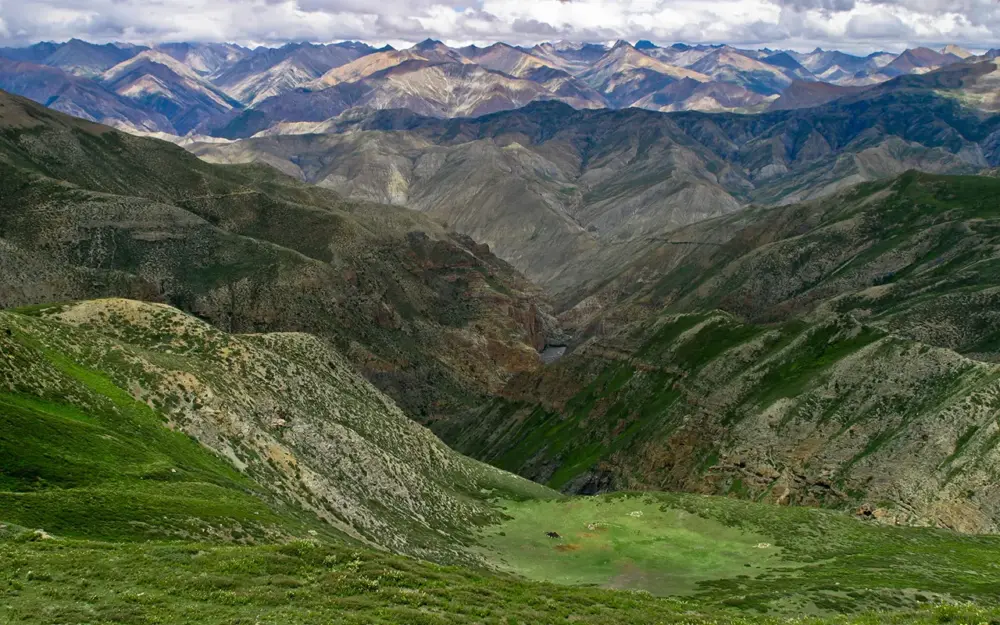
The Upper Dolpo Trek is a 21 day trekking journey through the most remote Himalayan regions of Nepal. Dolpo is a isolated region in western Nepal, near the border with Tibet. It is famous for its traditional villages, ancient monasteries, high mountain passes, and landscapes that have been largely untouched by modern development. Many of the region’s communities are linked by footpaths rather than roads, so trekking is the main way of getting from one village to another.
The trip starts with flights from Kathmandu to Nepalgunj and then to Juphal, the main entry to Dolpo. From there the trail follows historic routes through Kageni, Raichi, Ringmo, Shey Gompa, Namgung Gompa, Saldang, Chhore, Do Tarap and several smaller settlements. The trek route takes trekkers through forests, alpine grazing areas, river valleys and high mountain terrain and offers a glimpse into local traditions rooted in Tibetan Buddhist culture.
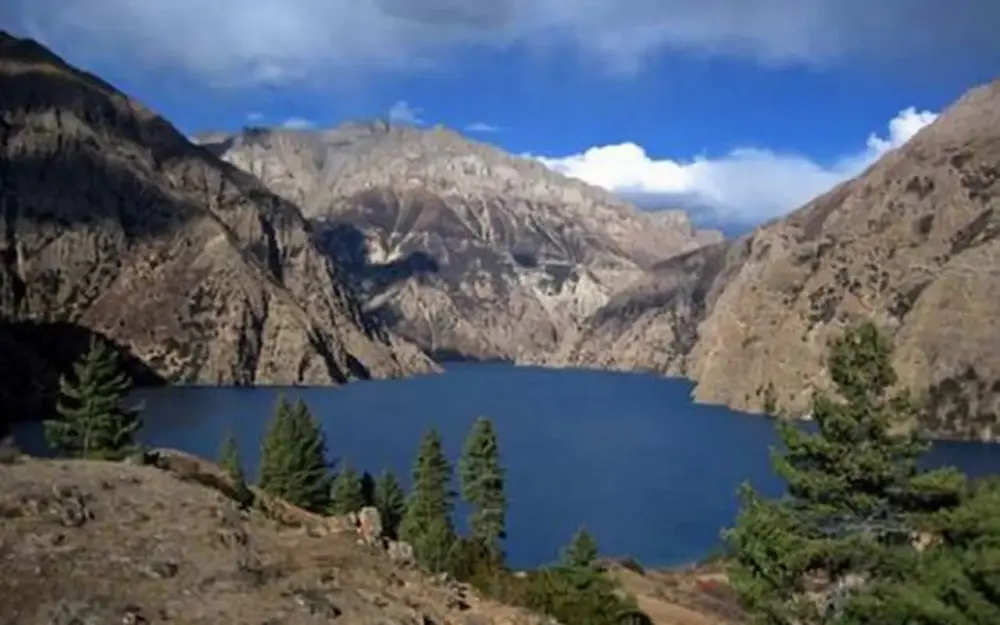
Much of the route is in Shey Phoksundo National Park, Nepal’s largest national park. Phoksundo Lake has been one of the major attractions of the trek and it is the gate to the upper valleys of Dolpo. Shey Gompa another major religious hub of the area is also in the itinerary. The neighbouring monasteries and pilgrimage sites are still very much part of local spiritual life and seasonal festivals.
The Upper Dolpo Trek Package is intended for trekkers who are accustomed to long days of walking, remote mountain conditions and camping at places where there is no permanent accommodation. On several stretches of the route, you are required to stay in tented camps, but lodges are available in some villages. The journey also involves crossing the Kang La Pass and Jyanta La Pass which requires good physical preparation and proper acclimatization.
The Upper Dolpo Trek Nepal is a restricted area and special permits are required for this area. Mega Treks and Expedition will arrange the necessary permits, transportation, accommodation, camping logistics and trekking staff before departure. Throughout the journey our team will help with route management, camp operations and daily trekking arrangements.
The Upper Dolpo Camping Trek is an opportunity to visit a less travelled area of the Himalayas on an established route into the heart of Dolpo, for those wishing to explore remote mountain scenery, traditional communities and longer trekking routes than the more popular routes in Nepal.
Upon arrival at Tribhuvan International Airport, Our representative of Mega Treks and Expedition welcome you and transfer you to your hotel in Kathmandu. After check-in, you will have time to relax after your international flight or explore the area at your leisure.
The Upper Dolpo Trek starts from Kathmandu and provides an opportunity to enjoy the cultural ambiance of Nepal as well as to step into the mountains. In the evening we’ll have a short trip briefing on itinerary, permits, domestic flights, accommodation and other important details related to the trek. Night stay at the hotel in Kathmandu.

This day is reserved for preparation for the trek and a guided sightseeing tour of Kathmandu Valley. We’ll review the trekking gear, permits and final logistics for the journey ahead, before heading to the remote Dolpo region.
On the sightseeing tour you will visit several UNESCO World Heritage Sites that highlight Nepal’s religious and cultural traditions. The day also provides an opportunity to buy any last minute equipment or personal items that may be needed on the trek. In the evening we will have a final briefing and discuss the flight schedule and the trekking plan to come.

After breakfast, we will transfer to the domestic airport and fly to Nepalgunj. Nepalgunj is located in the western lowlands, close to the Indian border, and is the main entry point for flights to Dolpo and other remote western districts of Nepal.
The flight offers an alternate perspective of the diverse landscape of Nepal as the scenery slowly transforms from the hills and valleys to the warmer plains of the Terai region. We will arrive at Nepalgunj and transfer to our hotel to make the final preparations for the mountain flight tomorrow to Juphal.

Early morning flight from Nepalgunj to Juphal, the primary entry point to Dolpo trekking. Most mountain flights are scheduled for early in the day when the weather is less unpredictable. There are often views of distant hills, river valleys and mountain landscapes on the flight there.
We will land in Juphal and start our trek following local trails through terraced fields and small villages. The trail descends gradually before continuing on to Kageni, our first overnight stop inside the Dolpo region. .This first day of walking gives us the chance to get into the pace of the Upper Dolpo Trek, whilst enjoying the changing scenery of western Nepal.
After breakfast, we will depart Kageni and head deeper into the Dolpo region. The trail follows traditional mountain paths used by local communities and takes you through a landscape shaped by rivers, cultivated terraces and scattered settlements. The trail becomes much quieter than the previous day as we move farther away from the main entry point into the region.
The walk today provides a chance to get into a nice comfortable trekking rhythm and slowly get a better feel for day to day life in Dolpo. Agriculture and livestock are still important sources of livelihood in many of the villages along the route. We will arrive in Raichi late afternoon where our camping team will set up for the night.
Today we proceed to Ringmo Village on the Shore of Phoksundo Lake within Shey Phoksundo National Park. The trail crosses different landscapes as forests, river valleys and rocky terrain gradually lead us to one of the most recognised landmarks in Dolpo.
When we arrive in Ringmo there will be time to look around the village and learn about local traditions that continue to influence life in this remote region. The settlement is an important stop for travellers going to the upper valleys of Dolpo. Much of the journey ahead is characterized by the landscapes and cultural environment which we are also introduced to in this stage of the Upper Dolpo Trek Nepal.
We have added an extra day at Phoksundo Lake to properly acclimatize before we move to higher altitudes. One of the most important aspects of trekking safely in the Himalayas is to take time to acclimatize slowly, which helps us prepare for the mountain passes to come.
During the day we can explore the surroundings of Ringmo Village, visit viewpoints overlooking the lake and observe the daily life inside the national park. The tranquil setting around the lake provides a welcome chance to relax while still being active. This acclimatization day is a significant feature of the Upper Dolpo Trek Package and prepares us for the harder stages of the route.
After breakfast we leave Ringmo and follow the northern shore of Phoksundo Lake. Some of the trail runs along narrow ledges above the water, and other sections through forests and open mountain country. As we explore deeper into the less-visited regions of the national park, the landscape gradually changes during the course of the day.
After this point camping becomes a necessary part of the journey, and permanent settlements become fewer and further apart. Forest Camp is a good place to stay for the night before you climb up to Kang La High Camp. The remoteness of this section provides a good introduction to the conditions encountered on the Upper Dolpo Camping Trek.
Today’s walk is a gradual ascent to Kang La High Camp, at the foot of one of the main passes on the trek. As we climb higher, the terrain opens up and takes on an alpine feel. The vegetation is sparse, and the mountain environment begins to dominate the scene.
As we continue to climb into higher terrain it is important to keep a steady pace throughout the day. The campsite is easily accessible as a convenient base for tomorrow’s pass crossing. Once we get to camp we will relax, soak up the mountain environment and prepare for one of the most important trekking days of the expedition.
Today is one of the most important days of the trek. We start early and head to Kang La Pass (around 5,360 meters above sea level). The climb is a slow process demanding patience, particularly for the upper parts of the trail.
We will cross the pass and enjoy the views of the surrounding mountains before descending towards Shey Gompa. This historic monastery is a revered pilgrimage site and an important religious centre for communities throughout Dolpo. Once we are in the area we will camp and prepare for a full day of exploration and acclimatization tomorrow.

Today is set aside for acclimatization and exploration around Shey Gompa which is an important religious center of Dolpo region. The monastery is often associated with the spiritual traditions of Upper Dolpo and draws pilgrims from the surrounding communities. Another day here also helps the body to adjust to the higher altitude before we cross more mountain passes.
The day will be spent visiting Shey Gompa also known as Crystal Monastery. We can also visit Tsakang Gompa, a meditation site dug out of the cliffs above the valley and Samling Monastery, another important religious site related to Buddhist learning and practice in the area. The rest of the day is free for rest and preparation for the next part of the trek.
After breakfast we leave Shey Gompa and begin the climb to Sela Pass. The trail meanders through open mountain terrain, and follows a path that has connected communities in this region for generations. Our ascent offers wider views of the surrounding valleys and ridges.
Crossing the pass, we will descend to Namgung Gompa, a small settlement with a monastery and traditional setting. It is still an important religious centre for the local people. On arrival we will have time to explore the area before we return to camp during the evening.
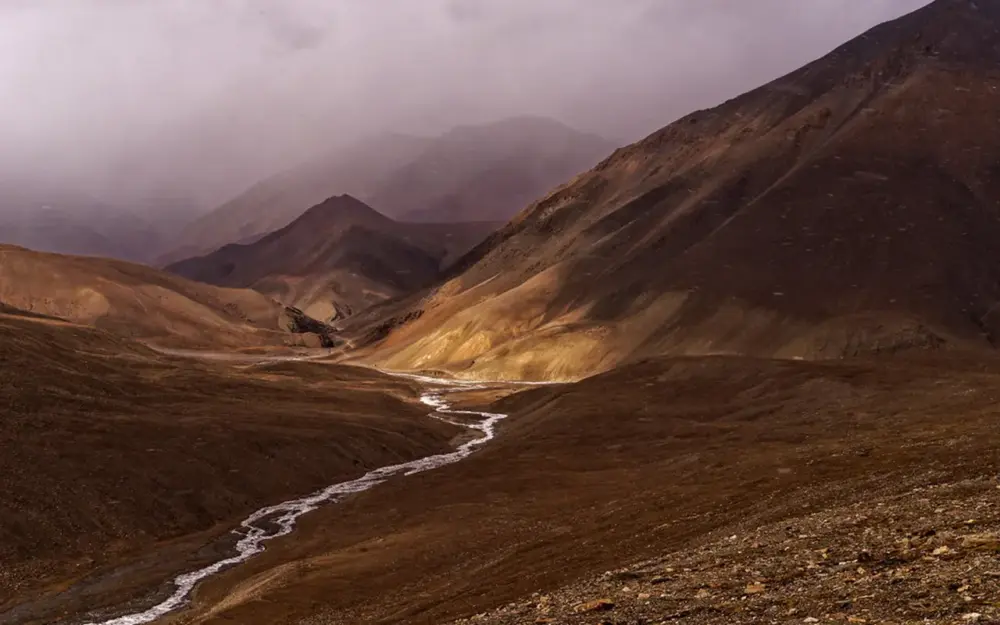
Today we walk to Saldang, one of the biggest and most important settlements in Upper Dolpo. The route follows relatively easy trail through dry mountain landscapes, scattered fields and traditional villages. The terrain here is drier as is typical for northern Dolpo and different from the earlier parts of the trek.
Historically, Saldang has played a key role in regional trade and continues to be an important community in the region. Once we arrive at the village we will have time to walk around the settlement, see the local architecture, agricultural practices and daily life before returning to camp.
We leave Saldang behind and head north through remote terrain on our way to Chhore Village. The trail winds through cultivated areas, traditional stone houses and patches of open landscape characterized by the dry climate and the high elevation of the region.
The trail provides us a further insight into the way of life of the local communities who still continue to maintain strong cultural and religious traditions. Walking is generally moderate so you can take your time to enjoy the scenery and village environment on the way. We arrive in Chhore and settle into camp and prepare for the approach to Jyanta La.
Today we leave the village behind and begin our approach to Jyanta La Pass. We will depart from the permanent settlements and move into higher alpine territory as the trail ascends gradually into more remote mountain country.
The trail climbs steadily throughout the day, and it is important to maintain a comfortable pace as we prepare for tomorrow’s pass crossing. The campsite is situated below Jyanta La, a handy overnight stop before the climb. This part of the Upper Dolpo Camping Trek gives a sense of the remoteness and mountain environment that is so unique to this area, compared to many other trekking areas in Nepal.
Today is another big day of our trekking as we cross Jyanta La Pass and then down into the Tarap Valley. We will depart early from camp and begin the ascent of the pass following mountain trails through high-altitude terrain. The climb in the last section near the top is slow and requires patience and a steady pace.
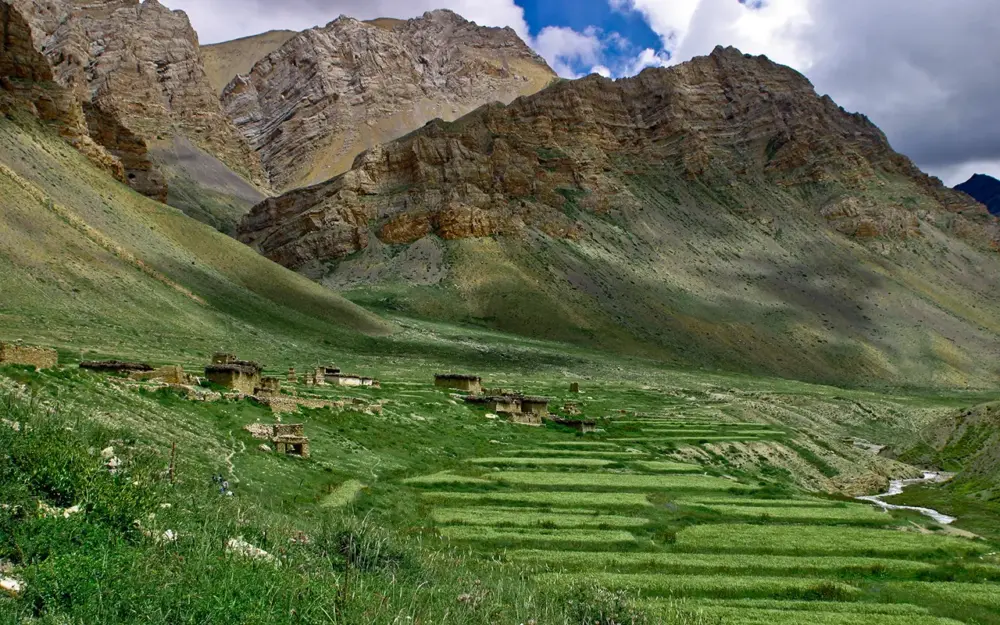
After crossing Jyanta La Pass the trail descends towards Do Tarap, one of the highest permanent settlements in Nepal. The village is famous for its traditional culture, stone houses and long-standing Buddhist traditions. Once we arrive we will have time to relax and explore the area before our overnight stay.
After breakfast we leave Do Tarap and start our way down the Tarap Valley. The trail runs along riverside sections, open landscapes and traditional routes used by local people. The route today is on the whole a gentler one than the high pass crossing of yesterday.
Once again, as we travel south, the scenery starts to change, and the valley narrows in places. The walk offers glimpses of local farming land and seasonal grazing land. By late afternoon we will arrive at Nawarpaani where our camping team will set up the overnight campsite.
The route today leads to Tarakot, an important historical settlement in lower Dolpo. The trail traverses parts of the valley and passes through villages linked by old trade and travel routes. Walking conditions are generally moderate and we can enjoy the changing scenery on the way.
Tarakot, once an important trading center, remains today as one of the main settlements in Dolpo. After arriving in the village we will have time to walk around and look at the traditional architecture before checking into our accommodation for the night.
Our last trekking day takes us from Tarakot to Juphal via Dunai, the administrative headquarters of Dolpo District. The trail follows established paths through villages, cultivated fields and river valleys before reaching the airstrip area.
The trek finishes with a pass through Dunai, one of the larger villages of the area. We arrive in Juphal and are able to reflect on our journey through Upper Dolpo and enjoy one final evening in the mountains before flying back to Kathmandu tomorrow.
This morning we will take a flight from Juphal to Nepalgunj. On arrival we will connect with our onwards flight to Kathmandu. Sometimes weather conditions can have an impact on mountain flights, so flexibility is always important when travelling in remote parts of Nepal.
On arrival in Kathmandu transfer to hotel and free time to relax or explore Kathmandu. Meet in the evening for a farewell dinner. The program also includes a traditional Nepali meal and cultural performances from different communities throughout the country, a perfect ending to the Upper Dolpo Trek Package.
Today is the last day of your trek with Mega Treks and Expedition. At the time of your flight, our team will accompany you to Tribhuvan International Airport for your international flight as per your flight schedule.
And as your Upper Dolpo Trek Nepal comes to an end, we hope you leave with unforgettable memories of the mountains, monasteries, villages and scenery that make Dolpo such an amazing part of Nepal. We thank you for travelling with us and hope to welcome you again for another Himalayan adventure in the future.

You can cutomize this trip as per your requirements if met the proper guidelines.


Upper Dolpo Trek is a challenging trek that requires good physical fitness, endurance and previous hiking experience. The itinerary involves crossing several high altitude passes, long walking days and several nights above 4,000 meters. Trekkers should be physically fit to walk for long hours on mountain trails with a personal day pack.
The remoteness of the region adds to the overall challenge. Facilities are limited in many areas and weather can change rapidly in higher elevations. Many factors contribute to a successful trekking experience such as the right preparation, a positive attitude and a gradual pace.
Kang La Pass is the highest point of the trek at about 5360 meters above sea level. The pass is traversed between Phoksundo Lake and Shey Gompa and is one of the major highlights of the route.
There are several other parts of the trek also at high altitude like Sela Pass and Jyanta La Pass. Due to these elevations, days have been incorporated into the itinerary for acclimatization so that trekkers can gradually adjust and to reduce the chance of altitude related problems.
Best Time for the Trek
The Upper Dolpo Trek Nepal best time to go is Spring and Autumn generally. Trekking trails are easier to access and the weather is often more stable during these months.
Spring (April to June) is a period of mild temperatures and increased daylight hours. After the monsoon, the autumn months from September to November offer clearer skies and good mountain weather. Winter snowfall can occur in the higher passes and summer weather can occasionally affect travel routes at lower elevations and domestic flight operations.
The accommodation will change along the way depending on the location and what is available. Hotel accommodation in Kathmandu and Nepalgunj, lodge accommodation in selected villages along the trekking trail.
Much of the trek is in remote areas, with no permanent accommodation. For this reason Upper Dolpo Camping Trek involves several nights in tented camps supported by a professional trekking crew. The support staff organise camps every day, giving trekkers the opportunity to relax and enjoy well organised accommodation in remote locations.
Meals are cooked by the trekking crew or supplied by local lodges if available. Food choices are determined by location, weather conditions and available supplies, but every effort is made to provide nutritious meals throughout the journey.
Common meals may include rice, noodles, potatoes, vegetables, soups, bread, eggs and seasonal local ingredients. A well-balanced diet and good hydration are important during high-altitude trekking to help support daily energy requirements.
Transportation including Domestic flights, airport transfers and all ground arrangements as mentioned in the itinerary for the Upper Dolpo Trek Package. The journey starts with a flight from Kathmandu to Nepalgunj and then a mountain flight to Juphal, the main entry point to the Dolpo region.
At the end of the trek there are connecting flights to Nepalgunj and Kathmandu from Juphal. Flying in the mountains is very weather dependent so there can be delays from time to time. We advise you to allow some flexibility in your international travel plans for any unexpected changes to your itinerary.
Upper Dolpo has been declared a restricted area by the Government of Nepal and all foreign visitors must obtain special permits to enter the region. Trekkers require an Upper Dolpo Restricted Area Permit and a Shey Phoksundo National Park Entry Permit.
Mega Treks and Expedition obtains all required permits prior to the trek’s commencement. You only need to upload the necessary documents at the time of booking. Permit regulations can change from time to time and we always suggest that you check the latest requirements before you go.
Altitude is a major factor for the entire Upper Dolpo Trek. Parts of the route cross above 4,000 meters, and the itinerary includes several high passes of over 5,000 meters.
Extra days have been added at Phoksundo Lake and Shey Gompa to help you acclimatize safely. Walking at a comfortable pace, drinking plenty of water and listening to your guide reduce the chance of getting altitude sickness. In the event of any symptoms, guides will evaluate the situation and advise on the best course of action.
As the trek progresses into the remote sections of Dolpo, communication facilities become more limited. Some villages may have mobile network coverage but this cannot be relied upon along the whole route.
Internet access is limited and may not be available for long periods of time. For those travellers joining the Upper Dolpo Trek Nepal, please let your family members and friends know in advance that there may be limited chances of communication while trekking in remote mountain areas.
Experienced guides and support staff are crucial for the whole trip. The trekking team consists of guides, assistant guides, cooks, kitchen staff, porters and camp crew who are responsible for the daily logistics and camp management – the number of staff varies depending on the group size.
The Upper Dolpo Trek Package requires a lot of camping and travelling to remote places, so professional help is very helpful. From route planning and camp setup to meal prep and overall trek coordination, our team will help ensure the entire journey runs smoothly from beginning to end.
All participants on the Upper Dolpo Trek are strongly advised to take out travel insurance. The route passes through isolated mountainous areas with limited access to medical facilities and transportation may be difficult in an emergency. An appropriate insurance policy should cover high altitude trekking insurance, emergency medical treatment, hospitalisation, trip interruption and helicopter evacuation.
We recommend that you read your insurance policy carefully before travelling to ensure that trekking activities at altitudes above 5000m are covered. It might also be handy to have a copy of your insurance details with you on your trek in case you require emergency assistance.
The package covers the main services necessary for the trek, but the traveller should also plan for personal expenses during the trek. It may include Nepal visa fees, travel insurance, personal trekking gear, snacks and drinks, laundry, internet access (where available), battery charging fees, souvenirs and tips for trekking staff.
Spending habits are very different from traveller to traveller. It is generally recommended to take some extra money when travelling in remote areas for unforeseen expenses.
A lot of trekkers choose to spend some time in Nepal before or after the trek. Other sightseeing in Kathmandu can include cultural sites, museums, monasteries and local markets. You can also add destinations like Pokhara, Chitwan National Park, and Lumbini to your itinerary.
If you want to extend your trekking adventure, other trekking programs can be organised and customised according to your time and interests. Our team can assist in arranging appropriate extensions to fit your travel program.
Upper Dolpo is an extremely culturally and environmentally sensitive area where responsible travel is especially important. Adapting to local customs, religious practices and community traditions helps to establish positive relationships between visitors and local people.
We encourage our trekkers to help us to reduce waste by using refillable water bottles where possible and disposing of rubbish responsibly. Always ask permission to photograph local residents, monks or religious ceremonies if you travel responsibly, you help to protect the area and support sustainable tourism.
The traditions of Upper Dolpo’s communities are closely associated with Tibetan Buddhism. Monasteries, prayer walls, chortens and religious festivals are still important in everyday life in the region.
Nepali is the official language, but the local people speak many dialects, influenced by Tibetan. Throughout the trip, communication is pretty easy because most trekking guides and tourism professionals speak English. Visitors who respect local customs and traditions are often welcomed by local communities.
Mega Treks and Expedition has extensive experience operating trekking programs throughout Nepal, including remote regions such as Dolpo. Our team takes care of permits, transportation, accommodation, camping logistics and trek coordination to help ensure a smooth journey from arrival through to departure.
The Upper Dolpo Camping Trek is a remote area trek and it involves long camping days so it is important to be well prepared. Our guides and support staff work together to handle the day-to-day operations, set up camps, organise meals and support trekkers along the route. We take travellers to experience the landscapes and communities of Dolpo with a concern for safety, realistic itineraries, responsible travel and professional service.
The Upper Dolpo Trek is considered a difficult trek because of its length, high altitude passes, remote camping sections, and limited infrastructure. Previous experience of trekking and good physical fitness is highly recommended.
Previous trekking experience is an advantage but not necessary. Participants should be in good physical condition, able to walk several days in succession over mountainous terrain, and willing to camp under primitive conditions.
The highest point of the trek is Kang La Pass at an altitude of about 5,360 meters above sea level.
Trekkers need an Upper Dolpo Restricted Area Permit and a Shey Phoksundo National Park Entry Permit. The permits are sorted out before the trek begins.
The best seasons are usually spring (April to June) and autumn (September to November) because of the stable weather and good trekking conditions.
Yes. Much of the route is over 4,000 meters and a number of high passes are over 5,000 meters. Proper acclimatization and staying hydrated are the most important aspects of the journey.
There is no permanent accommodation in many parts of Upper Dolpo. Therefore, camping is necessary for a large part of the itinerary.
Accommodation will be in hotels in Kathmandu and Nepalgunj, lodges in selected villages and tented camps in remote sections of the trek throughout.
Typical meals include rice, noodles, potatoes, vegetables, soups, bread, eggs and local seasonal ingredients. Menus are subject to change based on location and supply.
Phoksundo Lake is the deepest lake in Nepal and is famous for its striking blue water and its location inside Shey Phoksundo National Park.
Shey Gompa is a major Buddhist monastery and pilgrimage centre of Dolpo. It is an important religious centre for the local communities.
The area has Shey Gompa, Tsakang Gompa, Samling Monastery. They are very closely related to the Buddhist traditions of the region.
Internet access is intermittent and may not be available for extended periods of time. As the trek progresses into more remote territory, communication facilities are less reliable.
Charging facilities are available in some villages, although additional fees may apply. It is highly recommended to carry a power bank.
Key items are trekking boots, warm clothing, waterproofs, sunglasses, sunscreen, a sleeping bag, trekking poles, a reusable water bottle and any personal medications you may need.
Yes. You will be accompanied by experienced guides and trekking staff to assist you with route-fixing, camp management, meals and logistics.
Yes. We strongly recommend you to buy a comprehensive travel insurance that covers high altitude trekking and emergency evacuation.
Yes. Solo travellers are welcome to join group departures or book a private trek, subject to permit requirements and availability.
This itinerary is for 21 days and includes arrival, departure, domestic flights, acclimatization days and trekking stages through Upper Dolpo.
Private departures can offer some flexibility, depending on permit regulations, time available and logistics.
You may contact Mega Treks and Expedition directly through the company’s booking channels. Our team will give you the details on permits, cost, and availability and trip arrangements.


 Write a Review


