
Talk To Expert
Mail Us

Trip Duration
18 Days
Group Sizes
2 to 25 People
Difficulty
Moderate
Max. Altitude
5190 m
Activities

Meals

Accommodation
Lower Dolpo Trek is an 18 day adventure trek into one of the most remote and culturally distinct parts of Nepal. Dolpo, which is in the western part of Nepal, is characterized by its remote mountainous terrain, traditional villages, Himalayan mountain passes and centuries old Tibetan Buddhism. The area was only opened to foreign trekkers in the late 1980s and still provides a trekking experience that is distinctly different from other popular trekking destinations in Nepal.
This trek starts at Kathmandu, and then flights to Nepalgunj and Juphal, the entry point to Dolpo region. The path, which goes through villages like Dunai, Tarakot, Laini Odhar, Nawarpani, and Do Tarap, is an old trade route which starts at Juphal. Along the way, trekkers pass through deep valleys, remote settlements, alpine meadows, and dramatic mountain landscapes while experiencing the traditional lifestyle of local communities.
The Lower Dolpo Trek Package is a difficult trek because it is remote, there are several high-point camps, and crossings of Numa La Pass and Baga La Pass. Technical climbing is not prerequisite, but long walking days, simple amenities, and high mountain conditions are expected of the trekkers. We believe in providing accurate information to help travelers prepare properly before starting the trek.
At Mega Treks and Expedition, we handle transportation, permits, accommodation arrangements, and logistics of the trip. Lower Dolpo is a restricted area of Nepal, which needs national park entry permits and special permits. All the paper work will be done by our group and we will also provide you with experienced trekking guides to accompany you on the trek.
One of the major highlights of this trek is visiting Phoksundo Lake, one of the most beautiful alpine lakes in Nepal. The journey also includes the Do Tarap, which is among the highest permanent settlements in Nepal, and two magnificent Himalayan passes that provide stunning views of the mountain ranges and valleys.
The Lower Dolpo Trek Nepal is an experience of remote wilderness, mountain views, cultural discovery and adventure trekking days. To tourists who want to take a less-traveled path to Himalayan region with a local flavor and dramatic views, Lower Dolpo is one of the most rewarding trekking sites in Nepal.
Upon your arrival at Tribhuvan International Airport, our representatives will welcome you and transfer you to your hotel. Once you have checked in, you will be able to rest after your international trip or wander around the neighborhood at your leisure.
Kathmandu is the cultural and historical center of Nepal and the epicenter of your Lower Dolpo Trek. You can visit local markets, have Nepali food, or just rest till the adventure starts depending on the time of your arrival.

Today is reserved for trek preparation and a guided sightseeing tour of Kathmandu. In the morning, we will check equipment, complete permits and make final preparations to proceed with the journey.
The sightseeing tour also covers a few UNESCO World Heritage Sites that depict the cultural and religious heritage of Nepal. These can be significant temples, stupas, and complexes of old palaces in the Kathmandu Valley, depending on the schedule.
The preparation day is also a chance to get to know your trekking team, question them about the route, and do any last shopping before leaving western Nepal.


We will then go to the domestic airport after breakfast and get on a plane to Nepalgunj, a large city in western Nepal, which is near the Indian border.
The flight provides a sightseeing of the varied scenery of Nepal, including hills and river valleys, as well as parts of the Himalayan range. On arrival in Nepalgunj we will change to our hotel and gear up to fly out the next day to Juphal.
Nepalgunj is a leading point of several trekking and expedition trails in western Nepal. The climate and the elevation are quite different compared with Kathmandu due to the warmer climate and lower altitude.
Today we will take an early morning flight from Nepalgunj to Juphal, the gateway to the Dolpo region. This mountain flight offers a glimpse of remote hills, valleys, and Himalayan scenery and lands at the small airstrip in Juphal.
Upon arrival we will start trekking to the administrative center of the Dolpa District, Dunai. The path leads slowly down through farmland, hamlets, and riversides to the settlement.
Dunai serves as an important trading and administrative hub for the region and marks the beginning of our journey into the more remote areas of Lower Dolpo.

After breakfast, we will leave Dunai and follow the trail along the Bheri River toward Tarakot. The trail goes through narrow valleys, riverside trails, and ancient settlements slowly heading further into Dolpo territory.
As we do so, we will pass by local villages, arable agricultural land, and parts of forest that will serve to offer a nice juxtaposition to the more elevated alpine landscape that will come later in the trek. The path usually takes the old trade route that has joined isolated communities in the Himalayas over the years.
Upon reaching Tarakot, we will settle into our teahouse and enjoy the peaceful surroundings of this historic settlement.
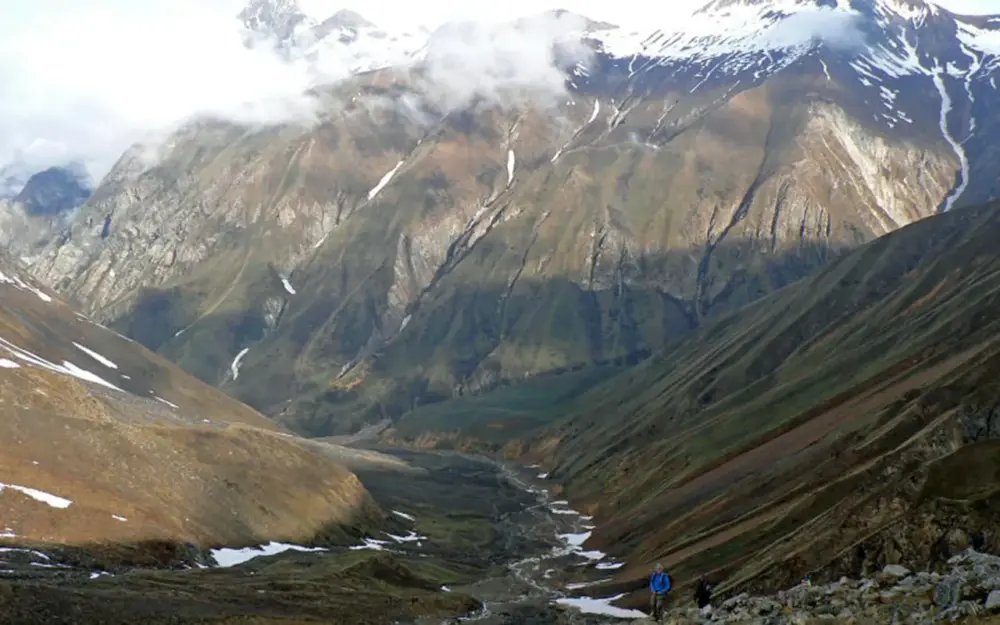
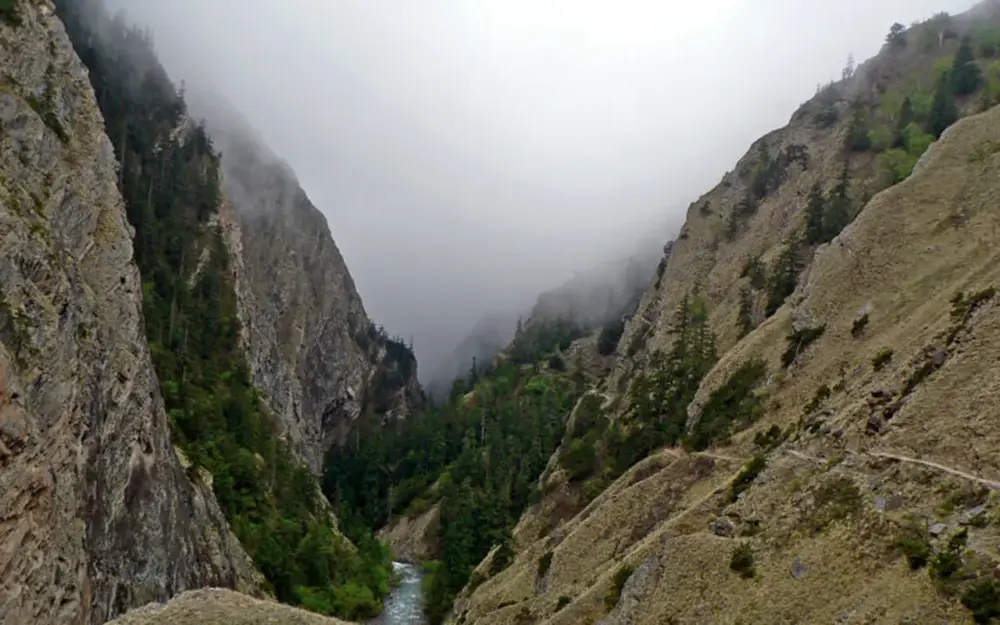
Today we continue into the remote regions of Lower Dolpo. The path takes the Tarap Khola, and gradually climbs up into a smaller valley of jagged cliffs and rocky mountain landscape.
As we climb up the mountain, the better the view, with beautiful rock structures and isolated wilderness taking center stage. It is a path with a number of uphill and downhill climbs, with the trail being used by the traders and villagers over centuries.
After a rewarding day of trekking, we will arrive at Laini Odhar and rest for the evening.
We will resume our gradual ascending to Nawarpani after breakfast. The trail follows remote sections of the valley and passes through alpine landscapes where vegetation becomes increasingly sparse as elevation increases.
During the day, we will be able to see the ridges surrounding us, the rocky land, and the high mountains. The trail is not very popular and this gives the trekkers the chance to explore the wilderness nature that makes Lower Dolpo special in all trekking areas in Nepal.
The more altitude we acquire, the more comfortable it is to move at a pace that one finds comfortable. Upon reaching Nawarpani, we will settle into camp and prepare for the approach to Do Tarap.
Today we will continue our journey toward Do Tarap, one of the most important settlements in the Dolpo region. As we ascend the valley becomes broader and broader and we see sweeping landscapes, with high mountain ridges and open grazing lands.
The path cuts across isolated landscapes where ancient ways of life have not been transformed much. On our way to Do Tarap, we will start to observe the strong Tibetan cultural impacts on the local architecture, prayer walls, monasteries and everyday life.
Do Tarap is one of the highest permanent settlements in Nepal and a significant cultural hub in the region. When we arrive, we will be able to explore the village and experience the special atmosphere of this remote Himalayan community.
Today is reserved for acclimatization and rest. Spending an extra day at this altitude helps the body adjust to the higher elevations before we continue toward the high mountain passes that lie ahead.
We can also walk around the village and the hills around the village during the day and have a view of the mountains around. It also gives a chance to get to know more about the local culture, see the local monasteries, and see the everyday life in the community.
An adequate Acclimatization day is a big part of the Lower Dolpo Trek Itinerary and helps in increasing comfort and safety in the upper part of the trek.
After breakfast, we leave Do Tarap and make our way towards Numa La Base Camp. The trail takes us through alpine and distant mountainous scenery as we gradually ascend towards the first major pass of the journey.
The trees grow thinner in the higher altitude and the landscape is marked with open valleys, rocky hills and picturesque mountainous terrain. We will continue to move at a steady rate during the day to aid in saving energy to cross the pass ahead.
Upon reaching Numa La Base Camp, we will establish camp and prepare to have one of the most difficult yet most rewarding days of the trip.
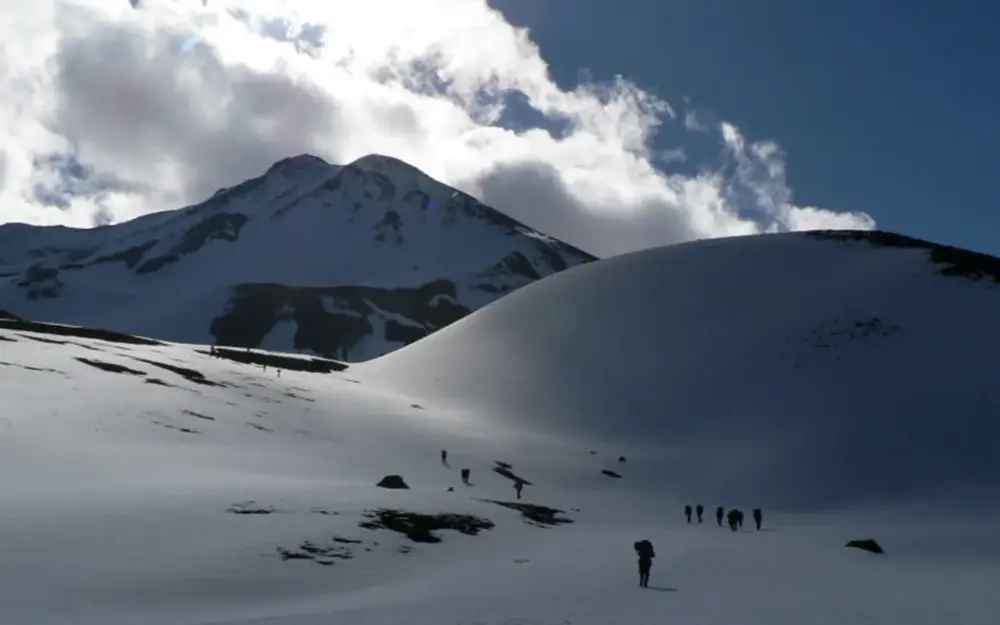
Today is one of the most challenging and memorable days of the trek. We will start early and head up to Numa La Pass the highest point of the Lower Dolpo Trek at about 5,190 meters.
The ascent is slow and gradual, yet the hard work is compensated by panoramic scenes of the surrounding mountains, valleys, and distant Himalayan sceneries. We shall now start down to Deni Gar after having taken time at the pass.
The descent may be lengthy and taxing yet the landscape is impressive all day through. Upon reaching Deni Gar, we will rest after successfully crossing the highest pass of the trek.
After breakfast, we will begin another challenging but rewarding day as we head towards Baga La Pass. The trail climbs continuously through mountainous alpine landscapes and isolated mountain scenery as human habitation is less frequent.
The landscape around us becomes more dramatic as we ascend with panoramic views of rugged mountains, high valleys and wilderness untouched. And as we arrive at Baga La Pass, at about 5070 meters, we shall have time to savor the great mountainous views before we start the descent.
The trail then leads down to Yak Kharka over open grazing lands and high altitude landscapes that are normally utilized by local herders during seasonal migrations. Once at camp, we will take a rest and have a second successful high-pass crossing.
Today we will descend toward one of the major highlights of the Lower Dolpo Trek Nepal experience, Phoksundo Lake. Gradually, the trail leaves the high alpine landscape behind and enters the landscape that reveals more and more spectacular views of the surrounding valleys and mountains.
As we approach Ringmo Village, the deep turquoise water of Phoksundo Lake opens up. It is regarded as the deepest lake in Nepal and is regarded as one of the most beautiful alpine lakes in Nepal. It is enclosed in high cliffs and mountainous sceneries that make it a memorable place.
When we arrive at Ringmo Village, we will rest in camp and enjoy the magnificent scenery of the lake.
It is a rest day today to visit the surroundings of Phoksundo Lake and to take a good rest after several hard days of trekking. The blue waters of the lake, the cliffs, and the serene atmosphere make it one of the most memorable places in the western Nepal.
We can also go on short walks around the lake, visit the nearby viewpoints, and explore Ringmo Village. The region is located in Shey Phoksundo National Park that is characterized by the distinctive scenery, animal habitats, and cultural values.
Such additional day will enable trekkers to enjoy the natural beauty of the area as well as rest before commencing the journey back to Juphal.
We will start our journey down the Phoksundo area after the breakfast and then take the trails that will lead us through the forests, valleys and riverside areas to Chhepka.
The trail traverses parts of Shey Phoksundo National Park and provides a visible shift in landscape with the higher alpine landscapes traversed earlier in the trek. As we go down the plants become denser and the landscape less rugged.
We will arrive at Chhepka, set up our camp and have a peaceful evening surrounded by the beauty of lower valley.
This will be our last trekking day in the Lower Dolpo Trek. We will proceed along the trail after breakfast, through woodland tracks, along riverbanks, and quaint villages, until we reach the airstrip.
The path provides a last chance to appreciate the scenery of western Nepal and reminisce on the experiences that have been received on the way. The walk is usually easier today than the higher parts of the trek, owing to the lower level, and better condition of the trails.
When we arrive at Juphal, we will rejoice the end of the trekking part of the adventure and gear up to the next day flights back to Kathmandu.
After breakfast we will head to Juphal Airport and take an early morning flight to Nepalgunj. On arrival we will connect to our flight to Kathmandu.
After reaching Kathmandu we will transfer to the hotel and enjoy some free time to relax after the trek. During the evening we will have a traditional Nepali farewell dinner with a cultural performance that will feature the various traditions, music and dances of the various ethnic groups in Nepal.
This final evening provides an excellent opportunity to celebrate the successful completion of the Lower Dolpo Trek with fellow trekkers and trekking staff.
Today is the last day of your Lower Dolpo Trek with Mega Treks and Expedition. Depending upon your international flight schedule, one of our representative will drop you at Tribhuvan International Airport for your flight.
We suggest that you should arrive at the airport several hours prior to your flight so that you have enough time to check in and clear immigration. Our team will help with the last transfer arrangements and a smooth departure.
We hope that your trip to Lower Dolpo has given you memorable moments, valuable cultural insights and an enhanced understanding of one of the most remote Himalayan areas in Nepal.

You can cutomize this trip as per your requirements if met the proper guidelines.


The Lower Dolpo Trek Nepal is regarded as a difficult trekking adventure and it only suits trekkers who are physically fit and willing to explore remote mountain settings. The path includes several days of continuous walking, extensive walking time, and passes through two high Himalayan passes at altitudes over 5,000 meters.
Compared to other more developed trekking areas of Nepal, Lower Dolpo lacks facilities and infrastructure. Trekkers are to expect simple accommodations, variable weather, and long durations without being near large communities.
The highest point of the trek is Numa La Pass at approximately 5,190 meters. The Lower Dolpo Trek Itinerary also includes proper acclimatization to help minimize the chances of altitude-related issues. Regular hiking, cardiovascular activity, and endurance training prior to arrival are the recommendations that will help to make the trekking experience more comfortable.
Spring in April-June and fall in September-November are the best seasons to do the Lower Dolpo Trek. These are the months that offer predictable weather conditions, clear mountain scenery, and good trekking conditions.
The spring is characterized by warm weather, blossoming alpine plants, and good visibility in most parts of the area. Autumn is also a favorite because it is dry with clear skies after the monsoon season.
Winter trekking could be done but very difficult due to heavy snowfall, freezing temperatures and crossing of the passes. The lower elevations experience rainfall during the monsoon season, but the Dolpo area does not get as much rainfall as other regions in Nepal because of its position in the Himalayan rain shadow.
Most international travelers can obtain a Nepal tourist visa upon arrival at Tribhuvan International Airport in Kathmandu. Visa requirements and fees can be altered every now and then and we suggest that you should get up to date information before you travel.
The Lower Dolpo Trek Package will need special restricted area permits alongside entry permits of Shey Phoksundo National Park and other relevant trekking permits. As the Lower Dolpo is a restricted and closed area, trekkers should carry official permits and licensed trekking guides.
All the necessary permits are organized by our team prior to the trek. We recommend you carry a passport of at least six months validity with you and some passport-size photographs in case of administrative reasons.
Your safety is the first thing that we consider in the trek. Lower Dolpo is an isolated remote high-altitude region with few medical centers. Adequate preparation, responsible trekking and effective communication with your guide play significant roles during the journey.
Our guides have a simple first aid kit and will check on the well-being of trekkers along the way. We urge all of you to report headaches, dizziness, fatigue, and difficulty in breathing or any other health issues as soon as possible.
The strategy is to have an acclimatization day at Do Tarap so that the trekkers can get used to the higher altitude before crossing Numa La Pass and Baga La Pass. The correct hydration, nutrition and slow pacing are important aspects of effective acclimatization.
Weather and trail conditions can be different at times in mountains. The trekking staff continuously assesses the ground and makes a decision depending on safety the main factor.
The transportation during the Lower Dolpo Trek Itinerary will involve the use of a private vehicle, domestic flights and trekking days through the remote mountainous terrain.
The journey begins with airport transfers in Kathmandu, followed by a domestic flight to Nepalgunj. We fly to Juphal, the primary entry point to Lower Dolpo, in Nepalgunj.
Once we complete the trek, we go back to Juphal and fly back to Nepalgunj and then to Kathmandu. Domestic flights within western Nepal are highly weather-sensitive and in some cases, delays or change in schedules may be experienced. We suggest that you should be flexible in your travel plan and that any change in weather is a common occurrence in mountain travel in Nepal.
All trekkers who will join our Lower Dolpo Trek Package will be required to take travel insurance. The trek takes place in a remote Himalayan region where access to medical facilities is limited and evacuation services can be expensive if required.
We highly suggest taking a detailed travel insurance which includes trekking activities at high altitudes, emergency medical treatment, hospitalization, trip interruptions and helicopter evacuation. Although the emergencies are not frequent, appropriate insurance offers valuable financial coverage and tranquility during the trip.
Prior to the trip, it is always advisable to go through your policy to ascertain that coverage of trekking above 5,000 meters is provided. We also suggest that you bring a printout of your insurance papers and emergency contacts on the trek.
Nepal has many travelers who prefer to stay longer before or after the Lower Dolpo Trek. There are many cultural sites in Kathmandu such as ancient temples, monasteries and UNESCO world heritage sites that can be visited in several more days.
We can also organize trips to Chitwan National Park or Bardia National Park to those who are interested in wildlife experiences. Another extension destination that is popular among travelers is Pokhara where they can relax at the lakeside, sightsee and even view the mountains.
Other trekking tours can also be organized according to your interests and time. Our team is able to suggest appropriate extensions and assist in developing a travel plan that fits your schedule.
We think that it is better to inform clearly the costs in advance of the trip. The Lower Dolpo Trek Package typically includes permits, transport, accommodation on the trek, guide services, and camping support, as well as meals as mentioned in the itinerary.
Other expenses that are not usually considered are international flights, Nepal visa fees, travel insurance, personal trekking equipment, tips to trekking staff, and personal purchases.
Other expenses on the trek can be bottled beverages, snacks, charging facilities where necessary, laundry facilities, souvenirs, and personal effects. Trekker expenditure varies widely, with trekkers spending about USD 15 to 30 per day on additional spending depending on their spending habits.
The national language of Nepal is Nepali, but local groups in Lower Dolpo also speak Tibetan-influenced dialects that have been conserved over the ages. English is widely used within Nepal’s trekking industry, and our guides communicate comfortably in both English and Nepali.
Communication services are not easily accessible to many villages on the route. Some lower parts of the trek have mobile network coverage which is unreliable or unavailable in remote areas.
In much of Lower Dolpo, there is very limited access to the internet. Our advice is to make family and friends aware of the fact that communication can be unavailable over long periods of time during the trek.
We have a few easy rules that we request trekkers to observe to ensure that they respect the local people, conserve the cultural heritage and the natural environment of the Lower Dolpo.
Keep the trail and camp areas clean. Dispose waste until there is a proper disposal facility and avoid using single-use plastics whenever possible.
Do not remove fossils, artifacts, religious objects, or historical items from villages, monasteries, or archaeological sites. There are numerous sites in Dolpo that are of cultural and historical significance.
Do not go into monasteries, temples, or individual houses without permission. When visiting religious sites, local customs and instructions provided by your trekking guide should be followed.
Do not touch or harm animals or ruin wild habitats in Shey Phoksundo National Park. Sustainable trekking will make sure that the area is preserved so that it will be of benefit to the other future generations.
The Lower Dolpo Trek offers great photographic opportunities, including remote villages, mountainous terrain, high passes, monasteries as well as Phoksundo Lake.
You can capture pictures during the trek, although, we do not encourage you to capture pictures of the locals, monks, religious practices or personal belongings without their consent. Respectful interactions often create better experiences for both visitors and local communities.
In Nepal, the usage of drones is regulated and may be officially authorized depending on the location of application and the purpose. Some of the safeguarded areas, monasteries, and restricted zones might possess other rules concerning the use of drones.
Illegal drone flights may lead to fines or seizure of equipment. In case you intend to use a drone, please consult our team prior to the trek and we can offer advice on what is needed.
In case this is the first trekking experience in Nepal, preparation can greatly influence the overall comfort and enjoyment. We suggest starting a fitness program a few weeks prior to departure that incorporates walking, hiking, climbing stairs, and cardiovascular activity.
Lower Dolpo is remote camping and high-altitude trekking, so it is necessary to carry the necessary equipment. Warm layered clothing, a quality sleeping bag, trekking boots, sunglasses, sun protection, and a reusable water bottle are essential items.
Coming to Kathmandu a day or two before the trek enables one to get over the international travel, to pack equipment and to go to the trip briefing without being in a hurry.
Good trekking boots should be worn before the trip rather than being used for the first time on the trail. Well-worn shoes can minimize the chances of getting blisters on long trekking days.
Most importantly, be flexible and realistic when it comes to the trek. In remote mountain areas weather conditions, flight schedules and trail conditions may sometimes vary. A positive attitude and willingness to adapt often contribute greatly to a successful trekking experience.
The Lower Dolpo Trek is a difficult trek because of the length of the trek, remote nature, high altitude passes and consecutive days of trekking. Excellent physical condition and training are strongly advised.
Past trekking experience is desirable and not compulsory. Trekkers are advised to walk a number of hours a day and be ready to high altitude and isolated mountain environment.
The peak of the trek is the Numa La Pass which is about 5,190 meters above sea level.
The best seasons are usually spring (April-June) and autumn (September-November) because of the good weather conditions and clear views of the mountains.
Yes. Lower Dolpo is a restricted zone and needs special permits as well as Shey Phoksundo National Park entry permits. All permits are organized by our team.
Yes. As the trek goes above 5,000 meters, altitude related symptoms may develop. The risk can be minimized with proper acclimatization, hydration, and a slow pace.
Hotels in Kathmandu and Nepalgunj, teahouses in a few villages, and support of camping in remote areas with limited tea house infrastructure are all accommodated.
Yes. Some parts of the path are in isolated regions where the main mode of accommodation is camping.
Foods served in meals are usually a mix of local and trekking foods, which include rice, noodles, potatoes, vegetables, soups, bread, and hot beverages. Meal options vary depending on location.
Do Tarap is among the most elevated enduring settlements in Nepal and is characterized by Tibetan-influenced society, conventional way of life and distant mountainous landscape.
Lower Dolpo is a wilderness, traditional culture, restricted-area trekking, high mountain passes, and less visited than many popular trekking routes.
Yes. Individual travelers have the option to board group departures or to organize individual departures as per their travel preferences.
In Lower Dolpo, WiFi is very scarce. Some lower settlements may have basic connectivity, but internet access should not be expected throughout most of the trek.
Charging facilities may be available in some of the villages at an additional fee, but not in remote areas. Power bank is highly recommended.
Accessories like trekking boots, warm clothes, waterproofs, sunglasses, sunscreen, a sleeping bag, trekking poles, personal medication, a reusable water bottle are all necessities.
Guide and porter services are based on the package chosen. The journey is supported by professional trekking staff.
Yes. It is highly advised to have comprehensive travel insurance that has high-altitude trekking and emergency evacuation coverage.
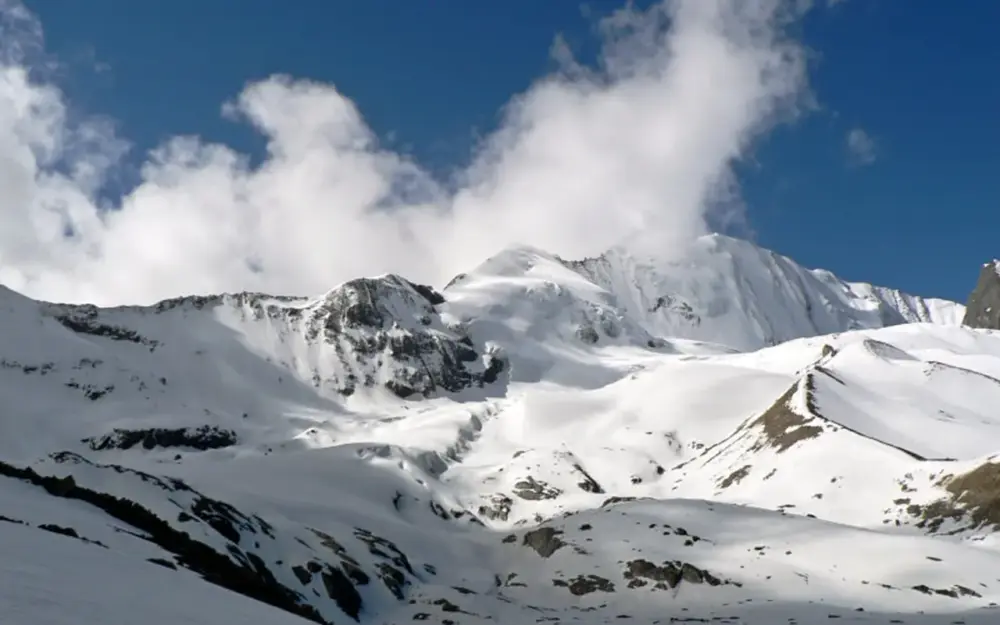
The trek features the Dhaulagiri Range, Kanjiroba Himal, Norbung Kang, and many other surrounding Himalayan peaks.
Phoksundo Lake is the deepest lake in Nepal and is known to have beautiful turquoise waters and dramatic cliffs as well as being situated in the Shey Phoksundo National Park.
Yes. The private departures may be tailored to your schedule, fitness level, and traveling interests.
Mega Treks and Expedition can be approached via our web site, email or direct query. Our team will deliver information on trips, their availability, price and booking processes.


 Write a Review


