
Talk To Expert
Mail Us

Trip Duration
8 Days
Group Sizes
2-20 People
Difficulty
Easy
Max. Altitude
3,300 m
Activities

Meals

Accommodation
The Mohare Danda Trek is an 8 day trekking adventure in the Annapurna region including mountain vistas, traditional villages, forest trails and community-based tourism. This trek is situated west of the famous Ghorepani route, and it is a trail that is less travelled, and gives an alternative trekking experience to the travelers who want to explore a less crowded trail in the Himalayas.
This trek is appropriate to those travelers with a moderate fitness level and willing to spend a few days walking mountain trails. Although the path does not involve any technical climbing or mountaineering experience, several days of uphill and downhill walking are required. We do not hide the trekking conditions to the traveler in order that they travel with realistic expectations before they reach Nepal.
We deal with permits, transport, accommodation and trekking support during the journey at Mega Treks and Expedition. Our guides will aid in our day to day planning and will guide us to keep a comfortable pace during the trek. We also provide an accurate report on the road conditions because the time it takes to get Kathmandu, Pokhara, and the trekking area might take longer or shorter based on the road condition, weather, and road repairs.
On this trek, accommodation is offered in the local tea houses and community lodges. These lodges are significant in terms of benefiting the local communities and providing tourism opportunities in the villages en route. The facilities typically are pleasant to trek, but services get simpler as you go to higher areas. Food is made to order and it usually consists of rice, noodles, vegetables, soup, potatoes, eggs, and hot drinks.
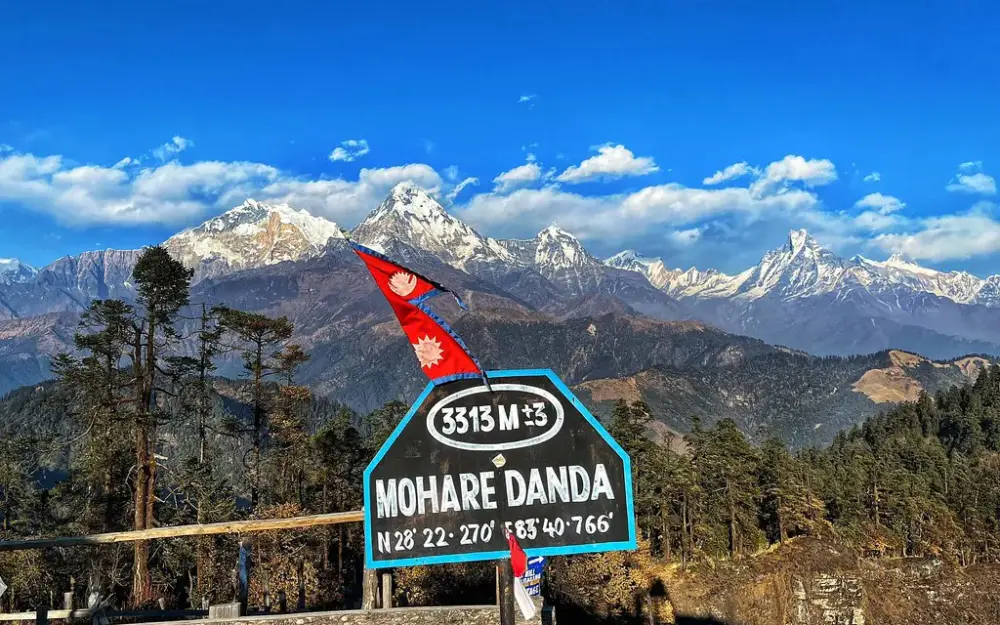
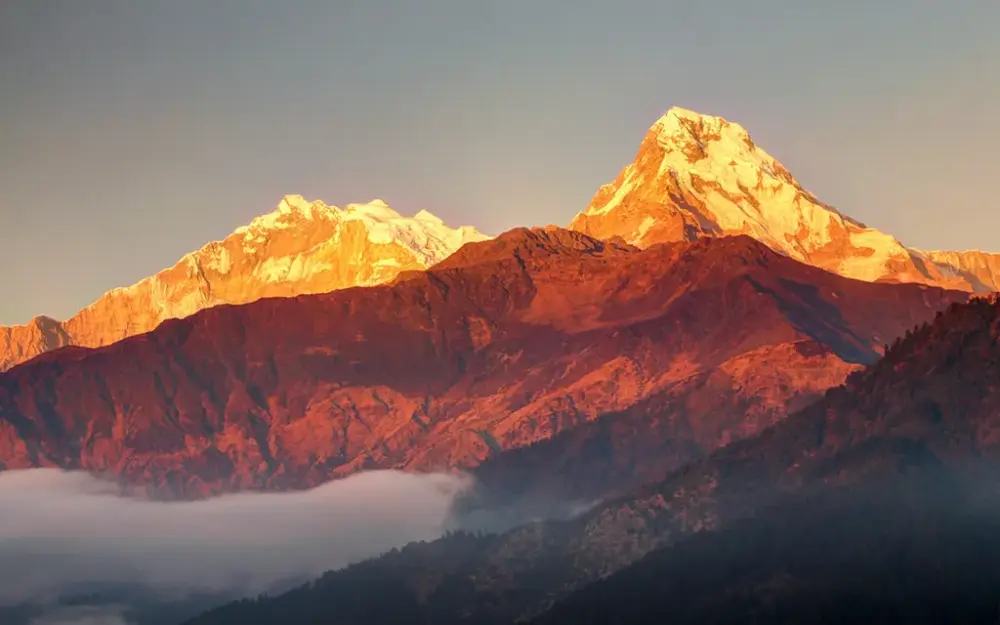
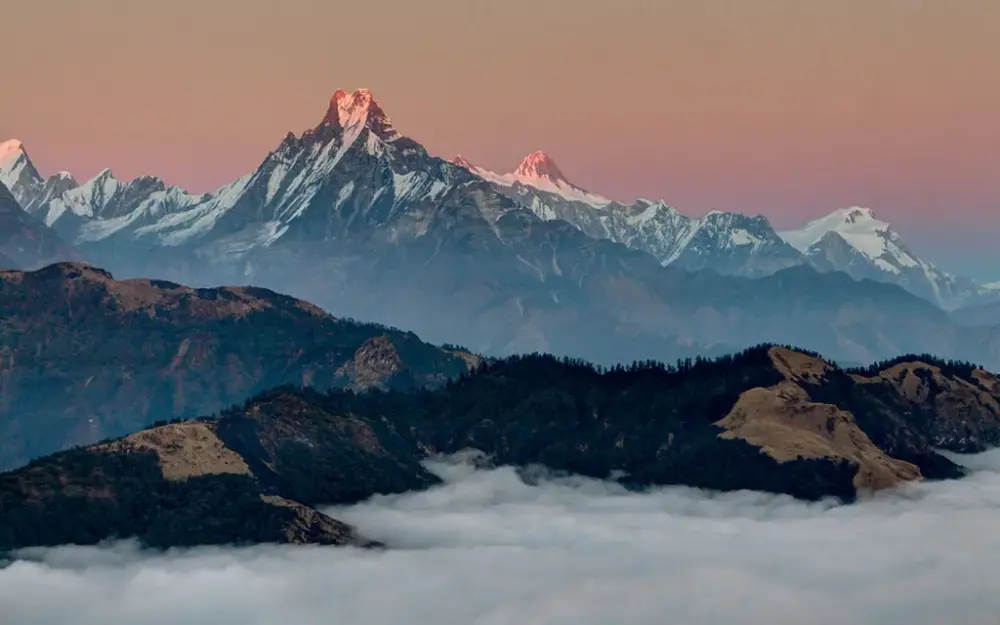
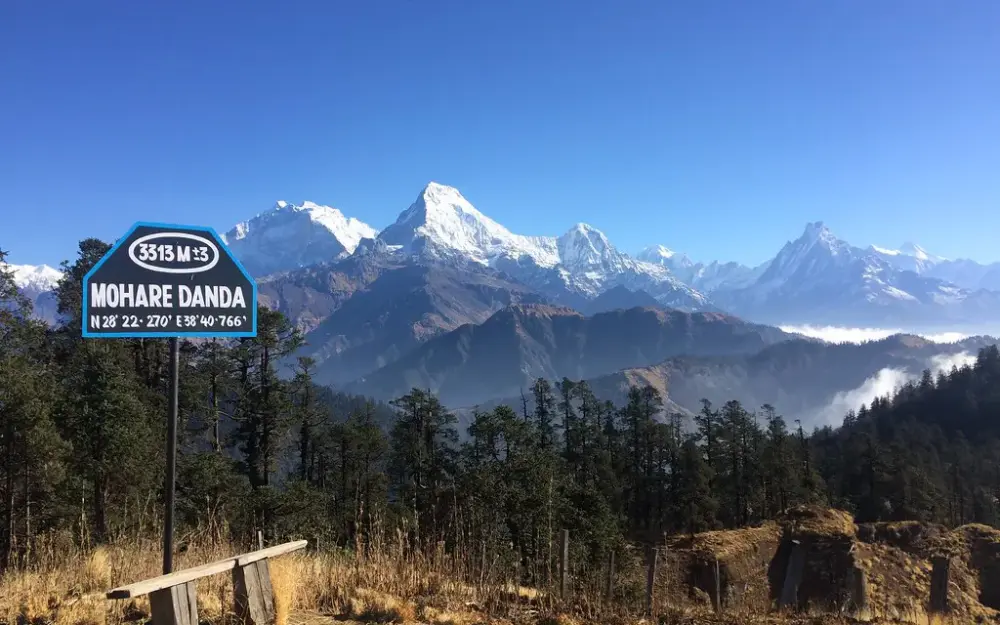
The Mohare Danda Trek Package provides a superb sightseeing of Dhaulagiri, Annapurna South, Annapurna I, Nilgiri, Hiunchuli, Machhapuchhre, and a few other surrounding mountains. Spending a night in Mohare Danda, a ridge with wide Himalayan panorama, and serene environment is one of the highlights of the trek.
The route of Mohare Danda Trek Nepal also traverses villages where trekkers are able to see the local lifestyle, agriculture and the culture of the Magar and Gurung communities. This trek, along with a visit to Poon Hill in the morning, offers an equal balance between mountain views, local culture, and fun trekking days on a relatively achievable schedule.
Your Mohare Danda Trek will start with Kathmandu-Pokhara by tourist bus. Prior to our departure, we will check on transport arrangements and go through trip final specifications to make sure that all preparations are in place. The road traverses the Prithvi Highway and traverses rivers, farmlands, small towns, and hillside villages.
We will spend most of the day on the road, and travel times may vary depending on traffic, road conditions, and seasonal maintenance work. We choose to be frank to allow the travelers to plan realistically. Upon reaching Pokhara, we will transfer to our hotel and prepare for the trekking days ahead.


After breakfast, we will leave Pokhara and drive to Galeshwor, where the trekking portion of our journey begins. The trail is through rural terrains, river communities, and farmlands to the trailhead.
We will begin walking at Galeshwor and head towards Bans Kharka. The path slowly ascends over the local villages, forest areas and terraced farms. The initial trekking day will enable us to adjust to a reasonable speed as we get used to the calmer atmosphere of the path. When we arrive at Bans Kharka, we will check into our community lodge and prepare for the next day’s trek.
Today we will continue climbing toward Nangi Village, one of the most important settlements along the route. The route passes through woodlands and the small villages where agriculture has been a major aspect of the community.
We will have an easy climb all day long and our guide will assist in keeping our pace at a comfortable level with frequent rest intervals. As we ascend upwards we will begin to see wider vistas of the hills and valleys surrounding. Upon our arrival at Nangi, we can visit the village to observe the community-based tourism projects which have helped in developing this region.
This is one of the most important days of the Mohare Danda Trek. After breakfast, we will continue climbing through forests and ridgeline trails toward Mohare Danda. The pathway steadily ascends in altitude and provides more and more stunning mountain scenery as we get closer to the ridge.
This is one of the longer trekking days but we will keep a steady pace and have breaks as necessary. When we arrive at Mohare Danda we are able to observe panoramas of the mountain ranges of Annapurna and Dhaulagiri. After arriving at the lodge, we will have time to enjoy the scenery and experience one of the highlights of the trek.
We will start the day with mountain views from Mohare Danda and continue towards Ghorepani. The morning is usually the best time to get a good glimpse and we will have the chance to appreciate the Himalayan view of the surrounding before we begin our walk.
The trail traverses forests, ridges, and open areas of mountainous terrain. A good part of the path consists of the descent of Mohare Danda, and the subsequent union of paths leading to Ghorepani. We will keep the day comfortable and will take breaks when necessary. After arriving at Ghorepani we will enter our lodge and be ready to do the early morning hike to Poon hill.
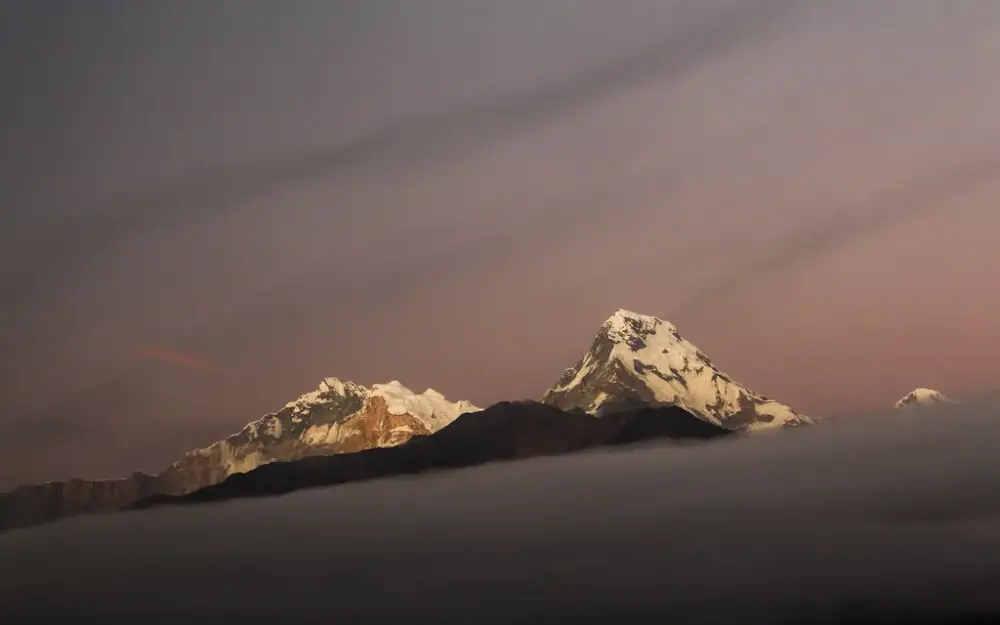
We will begin today before sunrise and hike to Poon Hill, one of the most frequented viewpoints in the Annapurna region. In case the weather is good, we will have a view of the sunrise on the mountains of Dhauligiri, Annapurna south, Annapurna I, Machhapuchere, and Hiunchuli as well as a few others.
We will have breakfast at Ghorepani after having spent some time at the viewpoint and will still proceed with our trek towards Ghandruk. The path goes through rhododendron forests, ancient villages and parts of paved roads. As we descend, we will notice changes in vegetation and local village life. When we arrive at Ghandruk, we will get time to visit the village and have a sight of the nearby mountains.
After breakfast, we will begin the final day of the trekking of our Mohare Danda Trek Itinerary. This path goes down through the traditional villages, terraced farms, and forested parts to Nayapul.
Most of the route will be downhill, but our speed will be moderate since some of the areas will be rough and require special care. On arrival to Nayapul, we will get our vehicle and make our way back to Pokhara. Once we reach the city, we will transfer to your hotel and have a good rest after a number of active days in the mountains.
After breakfast, we will board a tourist bus and begin the return journey to Kathmandu. The drive takes the same highway path as at the beginning of the journey and traverses rivers, small towns, farmland and hillside communities.
Traffic and road conditions can change travel times and we always suggest that people should allow some flexibility in their onward travel plans. Upon arrival in Kathmandu, we will transfer to the designated drop-off point and this will be the conclusion of your Mohare Danda Trek with Mega Treks and Expedition.

You can cutomize this trip as per your requirements if met the proper guidelines.


The Mohare Danda Trek is classed as a moderate trek and can be completed by travelers with a reasonable level of fitness. The trail does not involve technical climbing skills or prior experience in mountaineering, and can be used by many first-time trekkers who are willing to spend several days in the mountain environment.
The primary difficulty is the successive trekking days, frequent uphill and downhill, and the ascent to Mohare Danda, 3,300 meters. Although the elevation is less than most of the Himalayan trekking trails, there are places where it takes numerous long walks uphill that demand patience and slow progress.
We also advise trekkers to train in advance by walking, hiking or climbing stairs or any other cardiovascular exercise. With proper preparation and realistic expectations, the Mohare Danda Trek provides an enjoyable mountain experience for both beginner and experienced trekkers.
The best seasons for the Mohare Danda Trek Nepal are spring from March to May and autumn from September to November. These months usually offer stable weather, clear skies, and reliable mountain views.
The spring is especially beautiful, as rhododendron forests are in blossom in several parts of the route. The hillsides become colorful and temperatures are usually comfortable for trekking. The dry season in autumn is accompanied by good visibility and good daytime weather following the monsoon.
Winter, from December to February, is also possible for trekkers who are comfortable with colder temperatures. Snowfall may sometimes occur in higher parts towards Mohare Danda. The monsoon season (June to August) can ruin your trekking experience with heavy rain, muddy trails and poor visibility of the mountains. Spring and autumn are still the preferred seasons for most travelers.
Nepal offers visa-on-arrival facilities for citizens of most countries arriving via Tribhuvan International Airport in Kathmandu. Visa costs around USD 30 per 15 days and USD 50 per 30 days, but travelers should check the latest immigration regulations prior to travel.
For the Mohare Danda Trek Package, trekkers need the required permits for the Annapurna region that are valid during the travel period. Before going to the trek our team makes the necessary permit arrangements and you do not need to worry about any administrative matters but focus on the preparation of the trek.
We suggest one to always have a passport whose expiration date is at least six months and have some passport-size photographs in case they are needed to process a permit or immigration procedures.
During the trek, your safety is our priority. Even though the Mohare Danda Trek does not touch extreme Himalayan altitudes, mountain environment trekking must always be prepared and aware.
Our guides carry a simple first aid kit and check up on the state of the group during the trip. We encourage all trekkers to communicate openly with their guide if they experience headaches, dizziness, unusual fatigue, or any other health concerns.
During the trek, it is important to have proper hydration, balanced meals, and adequate rest. We also suggest that one should seek medical attention before travelling to Nepal and that their routine vaccinations are up-to-date.
The weather in the mountains is unpredictable particularly at higher altitudes. Our guides constantly evaluate the weather status and trail safety and make decisions on the basis of the group welfare. In our opinion, safe and comfortable trekking experience is more valuable than a strictly adhered to timetable.
During the Mohare Danda Trek Itinerary, we will arrange the transportation with reputable drivers and vehicles that are already used in mountain conditions. The adventure starts with a tourist bus ride through Kathmandu to Pokhara and finishes with a tourist bus ride through Pokhara to Kathmandu.
The pathway also involves road transfers of Pokhara and Galeshwor at the beginning of the trek and Nayapul to Pokhara at the conclusion of the trekking phase. The roads in Nepal are subject to change based on the weather, traffic, and seasonal maintenance activities, and as such, the time taken to cover a given route should never be regarded as accurate.
We prefer to explain transportation conditions honestly and provide realistic expectations rather than promising exact arrival times. Our team will check the travel conditions and keep the trekkers aware of any major changes that can alter the schedule.
All the trekkers visiting our Mohare Danda Trek Package are required to have travel insurance. Even though this walk is at a lower altitude than most of the high Himalayan paths, accidents and injuries, sickness, and unforeseen travel interruptions may still happen in mountain conditions.
We highly suggest that you should buy a travel insurance covering trekking activities, emergency medical treatment, hospitalization and helicopter evacuation in case of requirement. Rescuing in Nepal can be costly, and the right insurance is a valuable financial safety in unexpected events.
Before traveling, carefully review your policy to ensure that trekking activities in Nepal are covered. It is also advisable to have a hard copy of your insurance and emergency contacts with you during the trip.
Many travelers choose to extend their stay in Nepal before or after completing the Mohare Danda Trek Nepal. Pokhara itself has a number of attractions such as Phewa Lake, World Peace Pagoda, the falls at Davis and the lakeside where visitors can rest after trekking.
To those who want more trekking, we can provide an extension to the surrounding routes like Annapurna Base Camp Trek, Mardi Himal Trek or other trekking destinations in the Annapurna region.
We can also arrange sightseeing tours in Kathmandu, wildlife tours in Chitwan National Park, rafting tours or cultural tours in various regions of Nepal. In case you want to spend some extra days in your trip, our group can suggest appropriate options depending on your time and interests.
Before the trip, we believe in clarity on the costs. The Mohare Danda Trek Package usually includes permits, lodging on the trek, transportation as specified in the itinerary, guiding services, porter services where applicable, and meals as specified in the itinerary.
Other expenses are international flights, Nepal visa, travel insurance, personal trekking gear, guides and porters tips, and personal purchases, which are not normally considered.
Other expenses incurred on the trek can be hot showers, battery charging, WiFi services, snacks, bottled drinks, laundry services, and souvenirs. Most trekkers use an average of USD 15 to 25 per day on these additional expenses depending on their personal spending habits.
Nepali language is the national language of Nepal and Magar and Gurung speaking communities are common along the Mohare Danda Trek route. The tourism industry in Nepal speaks English and our guides are very comfortable speaking both English and Nepali.
The majority of the lodge owners on the trail are used to receiving international guests and are able to speak basic English. It is also always welcome to learn some local words like Namaste and Dhanyabad that can be used to establish positive relations with local communities.
The coverage of the mobile network in most of the villages along the route is good, however, the signal strength may differ with the change in location and weather conditions. WiFi services are available in some lodges at extra charge but in remote locations the connection can be slow and unreliable. We suggest that family members and friends be informed that sometimes there can be limited communication during the trek.
We request that trekkers observe some few basic rules in order to respect the local communities, preserve the environment and contribute to a positive experience of all on the trail.
Never leave litter on the path or in and around tea houses and lodges. Please dispose of your waste until you get proper disposal sites. We promote the practice of using reusable water bottles and avoid unnecessary single-use plastics as often as possible.
Do not disrupt wildlife or take away plants, flowers or objects of nature in the environment. The forests and landscapes are major components of the local ecosystem and must not be disrespected.
Do not consume too much alcohol when trekking. Alcohol may lead to dehydration, decrease your energy and enjoy the trek safely.
Do not disrespect religious monuments, prayer flags, shrines, and other cultural sites. We advise trekkers to observe local customs and traditions when going to villages and religious places.
During the journey, the Mohare Danda Trek provides great photography opportunities. Photographic subjects are varied due to mountain ridges, forests, traditional villages, agricultural terraces, and Himalayan views.
You can take pictures during the trek, however, it is advisable to seek permission first before taking pictures of the locals, especially the elderly, religious practitioners or whoever was doing their daily business. Most people are happy to be photographed when approached respectfully.
The use of drones in Nepal is controlled and can be subject to authorisation depending on the type of location and use. Rules are subject to modification and some of the safeguarded zones might impose limitations on the use of drones.
Any illegal drone flights may lead to fines or seizure of equipment. In case you require any professional photography or filming, then you can discuss this with our team before your trip and we will give you advice on the latest regulations.
When it is your first trekking visit in Nepal, some preparation can ensure that your adventure is much more comfortable. We suggest starting a simple exercise program a few weeks prior to travel. To get your body ready to spend several days in the trek, you can prepare by walking, hiking, climbing stairs, or doing cardiovascular exercises.
Arriving in Kathmandu at least one or two days before the trek is also beneficial before starting the Mohare Danda Trek Itinerary. This gives time to get over any international travel, packing, and to get through the trip briefing without the sense of being in a hurry.
Wear in layers since at lower villages the weather can be different than at high altitudes like Mohare Danda. The useful items include a waterproof jacket, warm fleece, comfortable trekking boots, sun protection, and a reusable water bottle.
Good quality trekking boots should be worn before the trip rather than being used for the first time on the trail. Properly broken-in footwear can help reduce the risk of blisters and discomfort.
Most importantly, maintain realistic expectations. Sometimes mountain weather, timetables of transport, and trail conditions might vary. A positive attitude and flexibility are often just as important as physical fitness for a successful trek.
The Mohare Danda Trek has been regarded as a moderate trek. It does not involve any technical climbing equipment and trekkers must feel at ease walking multiple days in succession along mountain routes which include frequent climbs and descents.
Prior trekking experience is an asset but not a prerequisite. With moderate fitness and adequate training, many first-time trekkers are able to complete this route successfully.
The highest point of the trek is Mohare Danda at approximately 3,300 meters above sea level.
The best seasons are usually the spring (March to May) and the fall (September to November) because of the stable weather and clear mountain views.
The risk is minimal as compared to other treks in the Himalayas, although some of the trekkers might develop mild symptoms related to the altitude. Precautions are to remain hydrated and walk at a slow pace.
The accommodation is offered in local tea houses and community lodges. The rooms are simple, clean and usually befitting the trekking conditions.
Majority of lodges offer dal bhat, noodles, fried rice, soups, potatoes, eggs, pancakes, porridge, vegetables and hot drinks.
Yes. Trekkers must obtain the relevant Annapurna region permits which are valid during travel. Our group takes care of the necessary permits in advance.
The trail is characterized by less traveled routes, community-run lodges, and the possibility to contribute to the development of local tourism and enjoy great mountain views.
Yes. Solo travelers can join the scheduled group departures or can have private departures as per their preferred dates.
Other lodges also offer WiFi services at a premium, which can be very slow and unreliable in isolated areas.
Most lodges have phone, camera, and power bank charging equipment. This service is normally charged with a small fee.
Essential items include trekking boots, warm clothing, waterproof layers, sun protection, a daypack, reusable water bottle, and personal medications.
Arrangements of guides and porters require the package taken. Our team provides professional support throughout the trek.
Yes. We highly encourage detailed travel insurance that includes trekking, medical treatment and emergency evacuation services.
The personal costs differ, yet most trekkers spend USD 15 to 25 a day on beverages, snacks, WiFi, mobile charges, and other personal expenses.
On clear days, trekkers will have the pleasure of seeing Dhauligiri, Annapurna I, Annapurna South, Nilgiri, Hiunchuli, Machhapuchhre, and various other nearby mountains.
Yes. The itinerary will involve an early morning hike to Poon hill to see the sunrise then continue to Ghandruk by trekking.
Yes. Depending on your schedule, fitness level, and interests, private departures can be tailored to your needs.
You can contact Mega Treks and Expedition through our website, email, or direct inquiry channels. Our team will present the trip information, availability, price etc. and booking processes.


 Write a Review


