
Talk To Expert
Mail Us

Trip Duration
7 Days
Group Sizes
2-20 People
Difficulty
Easy
Max. Altitude
3,660 m
Activities

Meals

Accommodation
The Kopra ridge trek is a 7 day trek through the Annapurna region winding through a different path in the traditional villages, forest trails, alpine meadows and high mountain ridges. This trek is recommended for those wishing to explore the Himalayas off the tourist trail, with excellent views of the mountains and comfortable tea house accommodation.
The trail goes through local Gurung and Magar communities which allows you to see local people’s life in the hills of Nepal. The trek is less crowded than some of the more popular trekking routes in the Annapurna region and offers a more serene and quiet walk. The path slowly ascends through rhododendron woods, alpine meadows and open ridges before reaching the highest point of the trek, Khopra Danda, an overnight stop.
At Mega Treks and Expedition, we believe in providing honest information regarding trekking conditions. The Kopra Ridge Trek does not require technical climbing skills, but it does involve several days of uphill and downhill walking on mountain trails. Any trek is enjoyable with good physical fitness and realistic expectations. The daily walking time is manageable for most people who are comfortable trekking for a few hours each day.
Accommodation on the trek is made in the local tea houses and community lodges. The facilities are comfortable in general, and at higher elevations, it gets a little more basic. Local lodge owners prepare fresh meals, often consisting of rice, noodles, potatoes, soup, eggs, vegetables, and hot drinks. Our staff will help with logistics, permits, accommodation and trekking support during the trek.
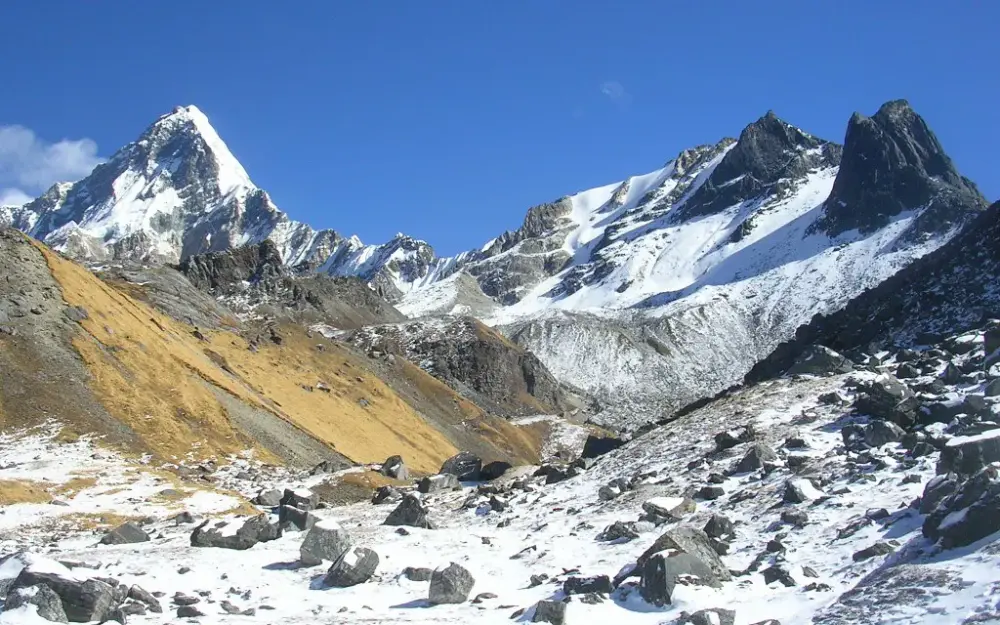
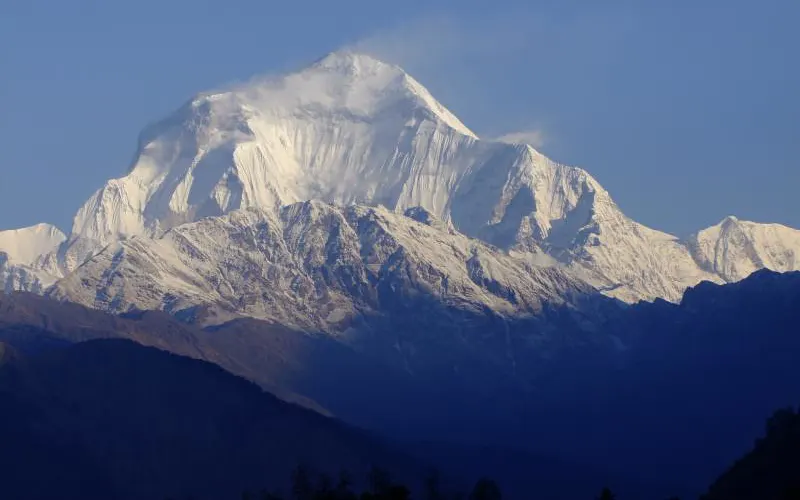
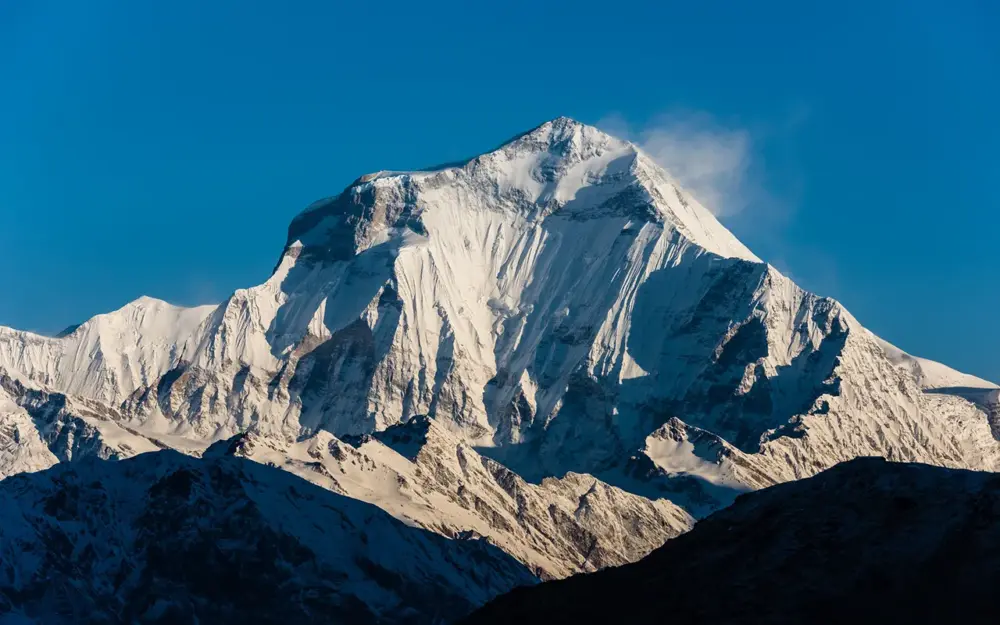
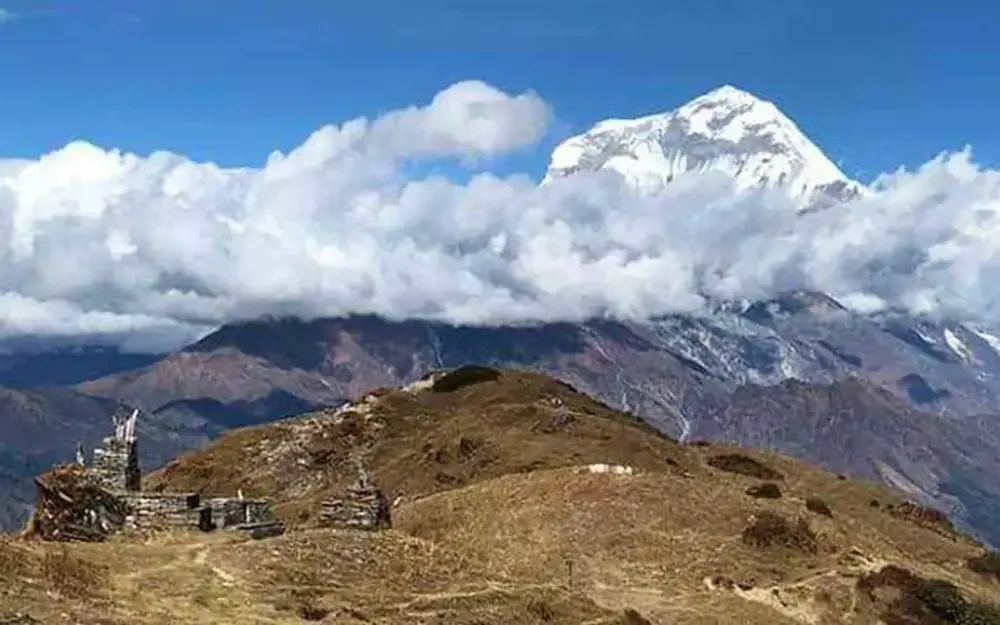
One of the main attractions of this Kopra Trek is the mountain panorama visible from Khopra Danda. On clear days, trekkers will be able to see Dhaulagiri, Annapurna South, Nilgiri, Hiunchuli and many other mountain peaks in the Himalayas. The trek also features a chance to visit Ghorepani en route and an early morning hike to Poon Hill, one of the most popular viewpoints in Nepal.
The Kopra Ridge Trek Package is a blend of the mountain scenery, cultural experiences, and active days of trekking on a relatively short package. It is a good option for those who want to trek to the moderate level in the Himalayas and enjoy the natural beauty, culture, and level of comfort.
Your Kopra Ridge Trek will start with Kathmandu to Pokhara drive. The transportation arrangements and the final trip details will be arranged prior to the departure to make a proper preparation. The road goes along the Prithvi Highway past towns along the rivers, agricultural land and hilltop villages.
Most of the day will be spent on the road, and travel times may vary depending on traffic, road conditions, and seasonal maintenance work. We provide realistic travel information so that travelers can plan accordingly. We will arrive in Pokhara and get to our hotel and then have some time to prepare trekking equipment before we do the trek.


After breakfast, we will drive from Pokhara to Kimche, where our trekking part of the Kopra Ridge Trek begins. This is a relatively short drive and gets us to the trailhead without any hassles. On arrival, we will begin trekking towards Ghandruk.
The path crosses farmland terraced fields and traditional settlements and stone staircases. We will now start to see the surrounding hills and mountains from a wider perspective as we climb higher. After arrival at Ghandruk, you will have time to explore Ghandruk village and see the local Gurung culture that has been in this area for generations.
Today we will leave the main Annapurna trekking route and continue toward the quieter sections of the Kopra Trek. The pathway slowly rises through rhododendron woods, hilly grasslands and open fields where local shepherds graze sheep.
We will have a relaxed pace throughout the day and will be making regular breaks as necessary. The walk is not very steep, but it does have a steady rise, which can be tricky to do. The views open up towards the mountain as we move up, and the environment becomes more calm. In the late afternoon we will reach Bayeli Kharka where we will spend the night in our lodge.
This is one of the most satisfying days of the Khopra Danda Trek. After breakfast, we will continue climbing along high ridges and open mountain terrain. The trail offers increasingly wide views as we move closer to Khopra Danda.
The distance is not that far but we will keep going at a good pace as the incline will be more apparent at this height. As we approach the ridge, we will be rewarded with views of Dhaulagiri, Annapurna South, Nilgiri, Hiunchuli, and several surrounding peaks. Once we reach Khopra Danda, we will get time to rest, enjoy the mountain view and experience one of the highlights of the Kopra Ridge Trek Package.
The day will start with mountain views from Khopra Danda and then a descent towards Swanta. Downhill trekking can be easier on breathing, but harder on the knees and legs, particularly on rough mountain tracks.
There is forest, grassland and some lesser frequented villages along the way. We will take our time on the descent and enjoy a quieter side of the Annapurna region. The elevation decreases as we head toward the valley, the terrain changes, and the temperatures are slightly warmer. After arriving in Swanta, we will stay in our lodge and spend a leisurely evening in the village.
After breakfast, we will continue our journey toward Ghorepani. The trail winds through forests and local farmland, and then gently ascends to one of the most popular trekking villages in the Annapurna region. There are several uphill sections along the trail, so we will walk at a steady pace with breaks as needed. You can come across some trekkers from other routes in the Annapurna area as we approach Ghorepani. After arriving, we will get ready for the early morning hike to Poon Hill the next morning and sleep well throughout the night.
The walk will begin before dawn and will head to one of the most popular viewpoints in Nepal, Poon Hill. In favorable weather, we will have a first glimpse of the Annapurna and Dhaulagiri mountain ranges as the sun rises over the Himalayas early in the morning.
From here we spend some time at the viewpoint, then head back to Ghorepani for breakfast and then head back down to Birethanti. Most of the path goes through forest paths, stone steps and old villages. After reaching Birethanti, we will pick up our car and head back to Pokhara.
Once we reach the destination, we will transfer to our hotel and end our Kopra Ridge trek with Mega Treks and Expedition.

You can cutomize this trip as per your requirements if met the proper guidelines.


The Kopra Ridge Trek is considered a moderate trek and a good option for the people who have a moderate level of fitness. The walk is not a technical or involved climb, and it offers a good opportunity for many beginners who don’t have any climbing background but are willing to do a few days of walking uphill and down.
The main challenges of the trek are consecutive days of walking, frequent ascents and descents, and the gradual gain in altitude. There are sections between Ghandruk, Bayeli Kharka and Khopra Danda, which require fairly constant ascent and descent and may be challenging for those who are not used to trekking in the mountains. Preparations are recommended to be made by regular walking, hiking or cardiovascular exercises before arrival.
The highest overnight stop is at Khopra Danda, which is approximately 3,660 m, but altitude does not affect people as much as it does in the higher tracts of the Himalayas. However, we ask every trekker to walk at a comfortable pace, drink plenty of water and follow the guidance given by the guide during the trek. The Kopra Trek is a great trek if you’re prepared and have realistic expectations.
Springtime (March to May) and autumn (September to November) are the best periods to make the Kopra Ridge Trek. The weather is typically steady in these months, skies are clear and mountain views are good.
Many parts of the trail are covered with blooming rhododendrons in the spring. The hillsides become colorful and temperatures are usually comfortable for trekking. Fall is also in season, as it is dry and the visibility is good with temperatures in the day that are pleasant.
Trekkers who are able to handle cold weather may also want to go in the winter months, between December and February. Higher parts of the route may experience snowfall at times, especially around Khopra Danda. The monsoon season from June to August brings heavy rainfall, muddy trails, leeches in forest areas, and reduced mountain visibility. The best overall trekking weather is spring and autumn.
Citizens of most countries can obtain a tourist visa on arrival at Tribhuvan International Airport in Kathmandu, subject to current immigration regulations. Nepal visa fees and entry requirements may change from time to time. Travelers should check the latest official visa information before travelling.
For the Kopra Ridge Trek Package, trekkers must have all the permits that are valid for the Annapurna area, such as the Annapurna Conservation Area Permit (ACAP) along with any trekking permits required during the time of travel. We prepare these permits in advance, so you can concentrate on your preparations and not on the paperwork.
It is advisable to bring a passport with a minimum of six months remaining validity and a few passport size photographs as the criteria can be changed at any time.
Your safety remains our priority throughout the trek. Proper gear and awareness are always necessary for trekking in mountain areas, though the Khopra Danda Trek is not a very high trek.
Each guide is equipped with a simple first aid kit and will check on the group’s condition during the trek. All travelers are asked to report any headaches, dizziness, abnormal fatigue, or health concerns to the guide right away while traveling.
Travelers visiting Nepal are advised to consult their healthcare provider before the trip and ensure that their routine vaccinations are up to date. Use of treated or bottled water, good hygiene and adequate hydration may help to prevent common travel-related illnesses.
Trails are usually good, but in mountain areas weather can be unpredictable. Guides constantly evaluate the condition of the trails and make decisions based upon safety.
We use reliable drivers and vehicles that know the trails and roads in the mountains for the Kopra Ridge Trek. The trek starts with a drive from Kathmandu to Pokhara and ends with a drive from Birethanti to Pokhara at the end of the trek.
Therefore, there is need for flexibility with road travel in Nepal as traffic, road works, weather and seasonal rains can impact travel time. We never guarantee a specific arrival time and always give realistic estimates. Our staff keeps an eye on the road conditions before departure and keeps trekkers up to date on any large scale changes that might impact the schedule.
The journey from Pokhara to Kimche is relatively shorter and trekkers can comfortably reach the trailhead. Finally, the trek will be concluded with a transfer from Birethanti to Pokhara as per the schedule.
Travel insurance is required for all trekkers joining our Kopra Ridge Trek Package. While this trek is rated as medium level and is not as high as some other routes in Nepal, there are potential accidents, injuries and health problems that can arise in the mountain environment.
You are highly advised to buy comprehensive travel insurance which includes trekking insurance, emergency medical treatment, and helicopter evacuation. Insurance offers financial protection in emergency situations and the cost of mountain rescue in Nepal can be high.
Be sure to check your policy before travelling as there may be some restrictions, particularly in relation to trekking. It’s also a good idea to bring a paper copy of your insurance policies and emergency contact numbers along the route.
For many travelers, the Kopra Trek is just an extension of their visit to Nepal, and they visit before or after they trek the route. Within Pokhara city there are a number of attractions such as Phewa Lake, Davis Falls, World Peace Pagoda and a number of restaurants and cafés along the lakeside.
If you have time and interest to continue your trek, we can arrange it on other routes in the Annapurna region. Commonly trekked destinations are Annapurna Base Camp Trek, Mardi Himal Trek and Ghorepani Poon Hill Trek.
Sightseeing tours in Kathmandu, Chitwan National Park or any other part of Nepal, cultural tours, rafting tours are also organized. For those who are thinking about extending, our staff will help to devise a plan that meets your travel needs.
We believe in being clear about costs before your trip begins. The Kopra Ridge Trek Package usually includes trekking permits, night accommodation while on trek, transportation as part of the package, guide services, porter services if included in the package and meals provided as part of the package.
Excludes international flights, Nepal visa fees, travel insurance, personal trekking gear, tips to guides/porters, and personal purchases.
Other expenses for the trail might include hot showers, charging stations for batteries, WiFi facilities, snacks, bottled water, laundry facilities, and souvenirs. These additional expenses can cost a trekker around USD 15 to USD 25 per day, depending on one’s spending preferences.
The national language of Nepal is Nepali, while the Gurung and Magar community are typically seen throughout the Kopra Ridge Trek. English is extensively used in the tourism sector and we have guides who are comfortable in English and Nepali.
The majority of tea house operators on the trail are used to foreign visitors and can speak basic English. It is always good to learn a few local greetings such as “Namaste,” which can help create positive interactions with local communities.
Mobile network coverage is available in many villages but could be less available in some higher parts of the trek. Some lodges offer WiFi access for a fee, but it may be slow due to weather and location. We suggest informing family and friends that communication may be limited during certain parts of the trek.
We want trekkers to follow a few simple guidelines on the Kopra Ridge Trek to ensure that the local community is respected, the environment is preserved and everyone has a positive trek.
Avoid littering the trail or at tea houses. Please carry your waste until proper disposal facilities are available. We promote the use of reusable water bottles and discourage the use of unnecessary plastic single-use bottles whenever possible.
Avoid disturbing wildlife, or removing plants, flowers or natural objects in conservation areas. This is a delicate ecosystem in the Annapurna region that must be preserved for future generations.
Avoid consumption of excessive amounts of alcohol during a trek. Drinking alcohol can cause dehydration, decrease energy and make it harder for your body to cope when exercising at higher altitudes.
Don’t touch religious monuments, prayer flags, prayer wheels, or shrines in an inappropriate way. When passing mani walls, chortens, and other Buddhist structures, it is customary to walk clockwise around them.
We also request trekkers to be aware and respect the customs of the local people, dress modestly in villages, and get permission before taking close-up photos of the local people. Often, respectful little things make for bigger cultural interactions.
Photography is another great thing to look out for along the Kopra Ridge Trek. A variety of photographic subjects are available, including mountain ridges, traditional villages, forest trails, agricultural terraces and panoramic views of the Himalayan Mountains.
We invite you to take pictures on the walk, but do ask permission before taking pictures of people, especially the elderly, monks, or people doing their daily activities. Most people are happy to be photographed when approached respectfully.
In Nepal, drone usage is regulated and may require official approval based on the location and purpose of the drone. Some protected areas and conservation areas have drone use limitations. Please check the regulations before entering Nepal with a drone, as they may be subject to change.
Fines, confiscation of equipment or other penalties can be imposed on unauthorized drone flights. For professional photography or filming needs please consult our team before the trip to ensure we are able to advise on existing regulations.
If this is your first trek in Nepal, a bit of preparation can make your trek far more enjoyable. A simple exercise program is recommended to start a few weeks prior to departure. Regular walking, stair climbing, hiking, or cardiovascular exercise can help prepare your body for multiple days of trekking.
It is also helpful if you arrive in Kathmandu at least 1 or 2 days prior to your trek. This enables a bit of rest and relaxation after traveling internationally, packing up equipment and show up at the trip briefing without being rushed.
Pack clothing in layers because temperatures can vary significantly between lower villages and higher elevations. The trek requires a waterproof jacket, warm fleece, comfortable trekking boots, sun protection and a reusable water bottle.
Good quality trekking boots should be worn before the trip rather than being used for the first time on the trail. Properly broken-in trekking boots can help prevent blisters and discomfort.
Most importantly, maintain realistic expectations. Sometimes weather, trail, and travel conditions can vary in the mountains. Attitude and a positive mindset can play as big a role in a successful trek as can physical fitness.
The Kopra Ridge trek is regarded as moderate trek. No technical skills are required but it is fundamentally a walk in the mountain trails that has several up and down hills for several consecutive days that one has to be comfortable with.
Experience in trekking is desirable but not essential. Many first-time trekkers successfully complete this route with reasonable fitness and proper preparation before arrival.
The highest point reached during the trek is Poon Hill at approximately 3,210 meters, while the highest overnight stop is Khopra Danda at approximately 3,660 meters above sea level.
The best times to visit are spring (March to May) and autumn (September to November). The months are normally dry, with good mountain visibilities and generally fine weather.
On this trek people are less likely to suffer from altitude sickness than in the higher ranges of the Himalayas, but it still can happen. Walking at a moderate pace, drinking plenty of water and following guide directions are all precautions.
There are local tea stores and community lodging facilities. Rooms are typically basic, neat and appropriate for trekking. Has a more basic facility at higher elevations.
Tea houses offer a range of food items such as dal bhat, fried rice, noodles, pasta, soups, potatoes, eggs, pancakes, porridge, and hot drinks. Menu is subject to change and may vary from location to location and season to season.
Yes. Trekkers require the Annapurna Conservation Area Permit (ACAP) and any trekking registration requirements that are in effect during the time of travel. We obtain all required permits prior to departure.
Yes. Solo travelers can travel on regular group runs or organize a private tour for their own dates and itinerary.
There are some tea houses that provide Internet access service for extra fee. Internet connections can however be slow or non-existent depending on weather and location.
Most lodges provide charging facilities for phones, cameras, and power banks. A small fee is usually charged for this service at higher elevations.
Some of the essential gears are trekking boots, warm clothing, waterproof layers, trekking trousers, day bag, sun protection, personal medicines, reusable water bottle, and sleeping bag (optional).
The package will determine which guide and porter services will be available. Our trekking team helps you with all the arrangements and offers support during your entire trek.
Yes. Complete travel insurance is strongly recommended for the trekking activities, medical treatment and emergency evacuation services.
Nepalese Rupees (NPR) are recommended for personal expenses during the trek. In general, the local businesses and tea houses on the way accept the Nepalese currency. Bringing sufficient cash for your own needs (snacks, beverages, WiFi, charging and hot showers etc.) is recommended.
The trek offers views of Dhaulagiri, Annapurna South, Nilgiri, Hiunchuli, Machhapuchhre, and many other surrounding Himalayan peaks from viewpoints such as Khopra Danda and Poon Hill.
Yes. Private trips can be tailored to suit your time, condition and interests. Additional days and side trips may also be arranged.
You can contact Mega Treks and Expedition through our website, email, or direct inquiry channels. We will give you the information on the trip, its availability, prices, and how to book it.


 Write a Review


