
Talk To Expert
Mail Us

Trip Duration
27 Days
Group Sizes
2 to 25 People
Difficulty
Moderate
Max. Altitude
4670 m
Activities

Meals

Accommodation
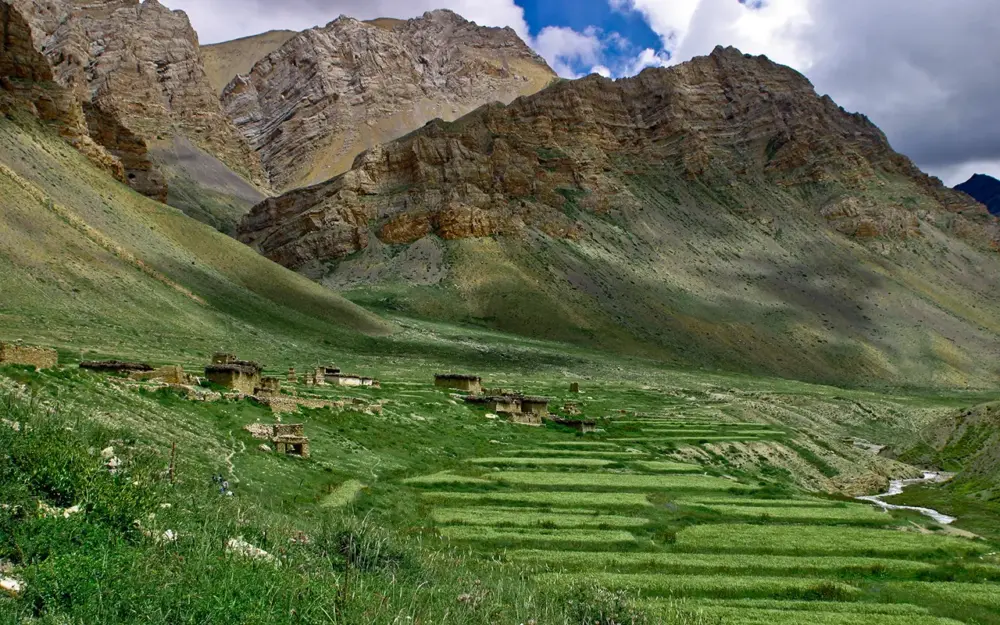
The Dolpo Trek is a 27 day trekking adventure in the Dolpo region of western Nepal. The path traverses isolated valleys, mountain passes, ancient villages and old trade routes in a region where most communities are still reachable only by foot tracks and not by roads.
The trip starts in Kathmandu and proceeds to Nepalgunj and Juphal via domestic flights. The trail is northward of Juphal along Kageni, Raichi, Ringmo, Shey Gompa, Saldang, Tinje, Chharkabhot, Sangda, and other minor settlements. These villages have preserved their traditional lifestyles that are influenced by agriculture, livestock herding, trade, and Tibetan Buddhism.
The Upper Dolpo Trek Package is designed to suit trekkers who feel at ease with long days of walking, isolated mountain terrain, and numerous crossings of high-altitude passes. Itinerary covers Kang La Pass, Mola Pass, Jhyuben La Pass, and Niwar La Pass, and some long stretches where accommodation in teahouses is not possible. On most of the route, accommodation is in tented camps accompanied by trekking crew.
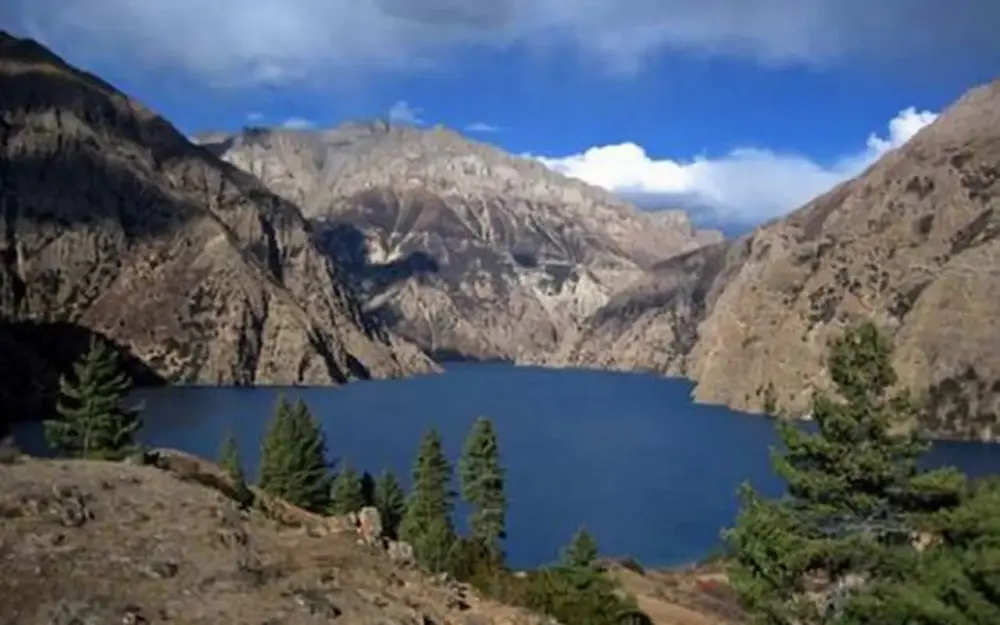
Phoksundo Lake is a significant point of interest on the trek and a point of access to the upper parts of Dolpo. The path also includes a stop at Shey Gompa, an old monastery that continues to be a major religious hub of the local population. There are also nearby Tsakang Gompa and Samling Monastery, both of which have a long history of relations to Buddhism in the area.
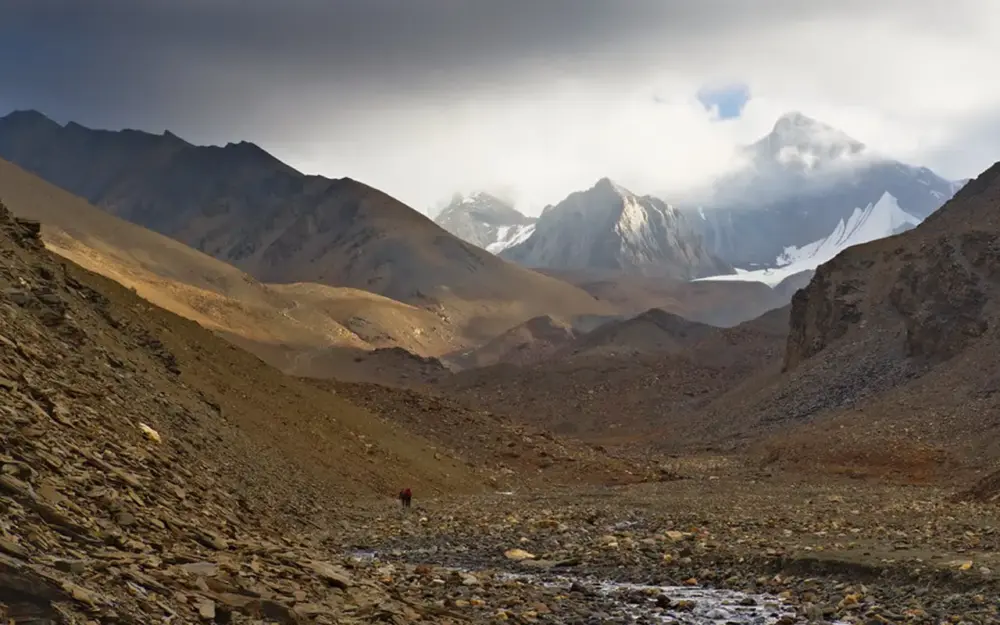
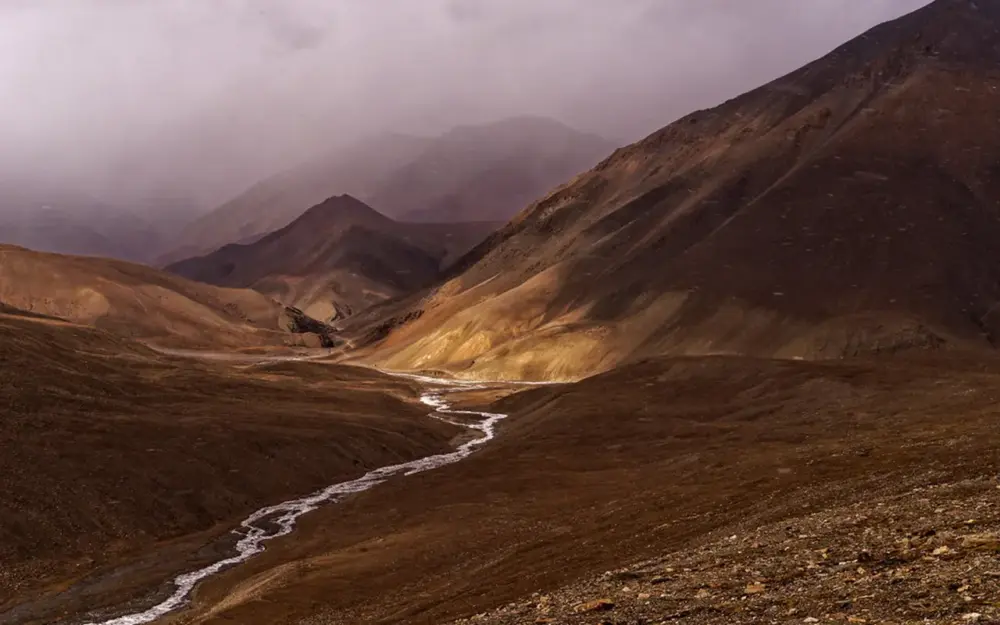
A large section of the trek takes place within Shey Phoksundo National Park. Valleys and forests, alpine grazing, rivers, deserts of high mountains, remote passes make the landscape change significantly during the journey. A few days are above 4,000 meters, so acclimatization is a significant aspect of the itinerary.
The Upper Dolpo Trek Nepal takes place in a restricted area that requires special permits. The Mega Treks and Expedition secures the necessary permits, transport, lodging, camping arrangements, and trekking personnel, prior to the trek. The support staff and guides are available during the trip to assist in making sure the trek is on schedule and without problems.
The Dolpo Camping Trek is a good fit to visitors of remote Himalayan areas, traditional mountain communities, and longer trekking paths where modern infrastructure is still scarce. The combination of cultural sites, high-altitude landscapes, and remote camping sections makes this one of Nepal’s longest and most demanding trekking itineraries.
When you arrive at Tribhuvan International Airport, a representative of Mega Treks and Expedition will pick you up and take you to your Kathmandu hotel. Once you check in, you may have time to relax after your foreign trip or visit the surrounding environment at your leisure.
Kathmandu is the beginning of the Upper Dolpo Trek and the place where one can get a taste of Nepal culture before entering the mountains. In the evening, we will have a briefing session on the trip which will include the itinerary, permits, domestic flights, accommodation, and other valuable information concerning the trek. Overnight stay at the hotel in Kathmandu.


Today will be spent in the preparation of the trek and sightseeing tour around Kathmandu Valley with a guide. We also will check equipment, check permits, and make all logistical preparations before heading off into the remote Dolpo region. You can also purchase any other trekking gears that you need.
We will visit some of the UNESCO World Heritage Sites that reveal cultural and religious history of Nepal during the day. The tour will familiarize us with the country and then we will begin the mountain journey. Our team will also have a final briefing in the evening and will answer any questions regarding the Upper Dolpo Trek.

We will then move to the domestic terminal after breakfast and fly to Nepalgunj. Nepalgunj is a key entry point to flights into Dolpo and a number of other remote districts in western Nepal, and it is located in the western Terai along the Indian border.
The journey transports us out of the mountains of Kathmandu to the warmer lowlands, producing a distinct shift in climate and landscape. Upon arrival, we will move to our hotel and prepare ourselves to go on the mountain flight tomorrow. The rest of the day can be spent in relaxation and preparation of personal gear to resume the Upper Dolpo Trek Package.
An early morning flight takes us from Nepalgunj to Juphal, the main air gateway to the Dolpo region. Mountain flights are sensitive to weather conditions, and therefore, departures are normally made at the less windy time of the morning. During the flight, views of hills, valleys, and distant mountain ranges can often be seen.
Once we reach Juphal, we will start walking through the fields and villages. The path then slowly leads down and then takes the customary foot tracks leading to Kageni. This introductory day on the trail will enable us to relax into a natural walking rhythm as we familiarize ourselves with Dolpo landscapes.

Leaving Kageni behind, we will continue deeper into the Dolpo region. The path takes a route over river valley and through small villages where farming and livestock continue to play significant roles in everyday life. This region does not receive as many visitors as more developed trekking regions and is still deeply connected with the traditional mountain lifestyle.
Today’s walk is relatively gradual and provides additional time to adapt to the rhythm of the trek. The environment becomes more remote as we approach the airstrip and bigger communities. In the evening, our camping group will pitch the camp at Raichi, our camping place.
Today we visit Ringmo Village, above Phoksundo Lake, in the Shey Phoksundo National Park. The path cuts across the shifting scenery with forests, river valleys, mountainous landscapes slowly bringing us to one of the most famous landmarks in Dolpo.
Once at Ringmo, we will have time to shop around the village and see how people live there and then move on to our camp. The settlement is a key transit point of people who go to the upper parts of the area. This section of the Upper Dolpo Trek Nepal presents us with the natural and cultural landscapes that will define most of the rest of the trip.
Today is dedicated to acclimatization and then we proceed to the higher parts of the Upper Dolpo Trek. Staying one more day at such an altitude assists the body to adapt slowly and to minimize the chances of altitude-related issues in the future.
The day can be spent visiting the surroundings of Ringmo Village and Phoksundo Lake. We can walk around to some of the local viewpoints and get to know more about the local life in Shey Phoksundo National Park. Ringmo is still a significant hub of people who live around the lake, and the additional stay here allows one to enjoy the environment in a leisurely manner and then continue further into Dolpo.
After breakfast, we will leave Ringmo and follow the trail along the northern side of Phoksundo Lake. The route follows narrow passages along the shoreline and other parts along forested areas and open hillsides.
This is the point where we enter a more distant part of the journey where permanent communities are less frequent. The conditions of the walk change during the day, and the route offers another view of the landscape around the lake. By late afternoon, we will reach Forest Camp, where our staff will prepare the campsite for the night.
The present path is slowly ascending towards Kang La High Camp. The trail is on alpine land and is even more distant to the forested landscapes experienced in the past days. The higher the elevation, the more restricted the vegetation and the clearer the mountainous views.
The day is significant in terms of maintaining a steady pace as we keep on increasing the altitude. The camp is located below Kang La Pass, placing us in a good position for tomorrow’s crossing. This part of the Upper Dolpo Camping Trek presents the high mountain setting which defines much of the area above Phoksundo.
Today is one of the major trekking days of the journey. We will begin early and head towards Kang La Pass that is located at about 5,360 meters. The ascent is gradual and slow, especially in the steeper areas towards the pass.
Once at the summit, we will take our time to appreciate the mountain scenery around the area before we start descending towards Shey Gompa. The monastery has been a major religious centre in Dolpo and pilgrims of other communities visit it. Upon arrival, we will make camp and get ready to explore the whole day tomorrow.
Today is dedicated to acclimatization and exploration around Shey Gompa. The monastery is also referred to as the spiritual centre of Dolpo and it is a significant part of the local Buddhist culture. Some visitors also refer to the area as Mini Kailash due to its religious importance and unique mountainous location.
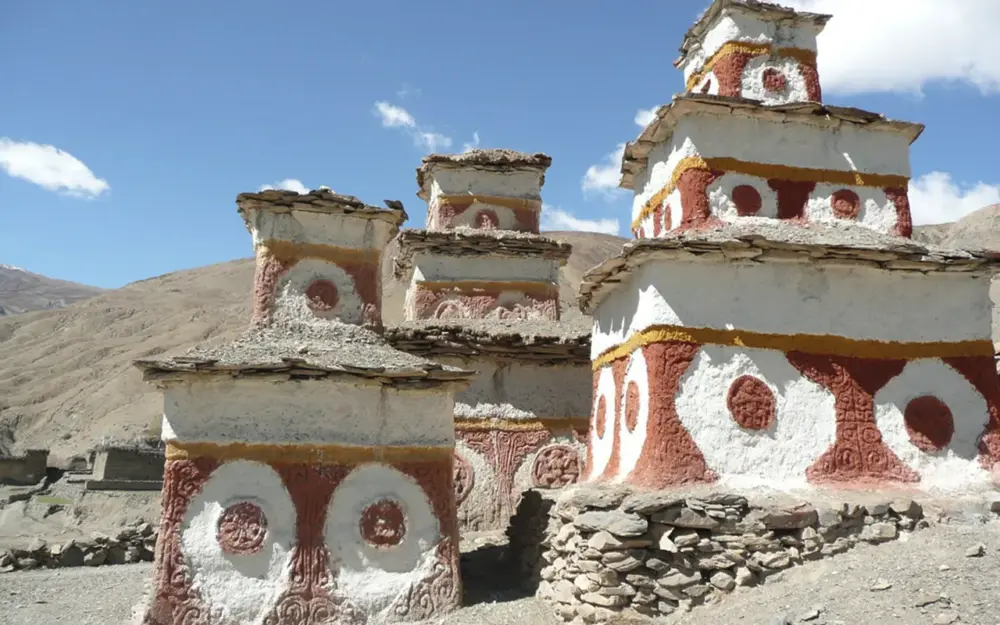
We will also see Shey Gompa or Crystal Monastery during the day. It was established centuries ago and is still a place of worship and pilgrimage. We can also go to one of the meditation monasteries, Tsakang Gompa, carved into the cliffs above the valley. Samling Monastery is another significant religious place in the region, and it has always been related to Buddhist education and practice in Dolpo.
The additional day will give us time to visit these places as we carry on with the acclimatization process before we move on to Sela Pass.
After breakfast, we will leave Shey Gompa and begin the journey toward Sela Pass. The path ascends slowly through the bare mountainous country and then to the pass where the scenery extends over the valleys and high ridges surrounding Dolpo.
The route, starting at the pass, leads down to Namgung Gompa, a monastery that serves the immediate community and is a significant religious location in the region. The village is small and isolated, and it represents the old way of life in the whole of Upper Dolpo. After reaching the village, we will spend the evening at camp near the monastery.
The trail follows a gradual route to Saldang, one of the largest villages in Upper Dolpo. The landscape is noticeably drier than the southern sections of the trek, with broad valleys, rocky hillsides, and scattered settlements.
On our way to Saldang we can see signs of ancient trade and agriculture. The village has been a major hub of local communities and has been a major settlement in the region. After arriving, we will have time to walk through the village and observe daily life before returning to camp.
Leaving Saldang behind, we will continue across a landscape shaped by centuries of trade and seasonal movement between settlements. The path runs through fields, old stone houses and areas of open country characteristic of the Upper Dolpo.
The walk today is not as long as some of the earlier stages and there is time to appreciate the surroundings in a relaxed manner. Komas is a small village where local customs still have a significant influence on daily life. Our campsite will be prepared near the village for the overnight stay.
Today we continue toward Phal Village, a settlement known for its connection to Mu Gompa. The path cuts across isolated landscapes and rural villages where agriculture and animal rearing are the main means of livelihood.
Upon arrival at the area, we will be able to learn more about the religious and cultural importance of Mu Gompa in the local community. The slower rhythm of the day gives time to investigate the environment and then go back to the camp in the evening.
The trail continues eastward through the upper valleys of Dolpo. The walk today is in conventional paths that are used by the locals and traders traveling between villages. It has a topography of open valleys, grazing fields, and mountain ridges that run across the horizon.
Historically, Tinje has been a key trading and travel center in the region. We will also get time to visit some of the areas of the village and see the local architecture and farming that still sustains the village.
After breakfast, we will leave Tinje and continue toward Rapka. The path takes us through mountain tracks and through places where traces of civilization are still scarce. Daily life in these settlements continues to be closely connected to the natural environment and seasonal activities.
The trail consists of slow uphill and downhill climbs with areas of open ground. Rapka is a little village and it is where we will stop over before we start the approach to Mola Pass. Our camping crew will prepare the campsite while we rest and prepare for the following day’s trek.
Today’s route takes us across Mola Pass, an important crossing within the Upper Dolpo region. We will begin the climb early in the morning and gradually gain elevation before reaching the pass.
The surrounding landscape becomes increasingly rugged as we move higher. The trail leads to Chharkabhot, a traditional settlement, situated along a major travel route after passing the pass. The village acts as a meeting point of people who travel between various sections of Dolpo and other areas.
Leaving Chharkabhot, we will continue through remote terrain toward Nurbung Kharka. The path crosses grazing fields where local herders work and trails linking seasonal villages throughout the area.
The landscape also varies slowly during the day as we pass through valleys and mountainous slopes. This part of the Upper Dolpo Trek Package is quite remote and there are not many permanent settlements on the path. We will have camp at Nurbung Kharka and will pass the night there before proceeding to another high pass.
Today we will pass over Jhyuben La Pass while we proceed to Sangda Phedi. The path leads slowly through mountainous country to the pass, whence there is a great prospect into the adjacent mountains and valleys.
Once we cross the pass, we will head down to Sangda Phedi. Some of the steeper parts can be very difficult to descend, so it is advisable to go slowly. Our crew will set up camp once we arrive and we will have a rest after another hard day on the trail.
We will proceed to Sangda Village after breakfast, by crossing Niwar La Pass. The trail slowly climbs out of Sangda Phedi and through mountainous terrain where the views are seen stretching over the surrounding valleys and ridgelines.
The climb requires a steady pace, particularly during the final approach to the pass. After crossing Niwar La, we will descend toward Sangda Village, an important settlement on the route. The village has been traditionally linked to local trading and seasonal transportation among various regions of the area. On arrival, we will relax in camp and have a more peaceful evening following another successful day of trekking.
The current path is through classic mountain trails to Phalyak Village. The terrain is a little easier than it was in the past and we are able to experience a more relaxed speed as we proceed through the sceneries of western Nepal.
The trail crosses local pastures and small villages where farming and livestock are still significant to the everyday. As we head down slowly, we see some vegetation and scenery changes. Our night is at Phalyak, and we stay in teahouses once more after several nights in tented camps on the Upper Dolpo Camping Trek.
We will proceed after breakfast to one of the largest settlements in the Mustang region, called Jomsom. The route takes mountain tracks and valley roads that have been utilized over the years by traders, herders and local people.
Reaching Jomsom marks the completion of the trekking portion of the Upper Dolpo Trek. Jomsom offers more facilities and services compared to the remote villages that the journey had previously visited. Most trekkers like to spend the evening in the town, go to the local shops, or just relax after a few weeks of trekking in Dolpo.
This morning, we will take a flight from Jomsom to Pokhara. The short flight takes the Kali Gandaki Valley and gives a new view of the mountains and landscapes traversed in the trek.
After arriving in Pokhara, the remainder of the day is free for rest and personal activities. Most tourists prefer to relax along the Phewa Lake, explore the local sites or just have a relaxing day following the exhausting trekking experience. It is also a good time to rest before returning to Kathmandu and concluding the Upper Dolpo Trek Nepal.
Depending on the selected itinerary and transportation arrangements, we will either fly or drive back to Kathmandu today. The flight route is around 25 minutes whereas the road route is along the Prithvi Highway and usually takes the majority of the day.
Once in Kathmandu, you can use the rest of the afternoon to rest in the hotel, or do some shopping in the local markets or visit some sightseeing spots in the city. The Upper Dolpo Trek Package officially completes its mountain travel part today, but there is an extra day in Kathmandu.
An extra day has been included in Kathmandu to provide flexibility following domestic flights and long-distance trekking. This day can be used for sightseeing, shopping, visiting cultural sites, or simply relaxing before international departure.
It is also a good back up day in case of weather conditions that could interfere with flights that are taking place in western Nepal. In the evening, we will have a traditional Nepali farewell dinner with cultural performances of various ethnic communities in different regions of the country.
This is the last day of your trip with Mega Treks and Expedition. Depending on your international flight schedule, a member of our team will transfer you to Tribhuvan International Airport for your departure.
We suggest that you should be at the airport at least an hour before your flight time so that you can have enough time to check-in and go through the immigration process. We hope that your Upper Dolpo Trek has given you a better idea of the Dolpo region and its landscapes, communities, and traditions that make it such a unique part of Nepal.

You can cutomize this trip as per your requirements if met the proper guidelines.


The Upper Dolpo Trek is regarded as a difficult trek which involves good physical fitness, prior experience in trekking, and readiness to spend many days in the remote mountainous conditions. The schedule will consist of a number of high-altitude passes, extended walking days, and a number of nights above 4,000 meters.
Compared to other trekking areas in Nepal, there is little infrastructure development and fewer tourist facilities in settlements in Upper Dolpo. The trekkers are expected to be ready to face simple conditions, variable weather and long distances among villages. It is necessary to prepare well and have the right perception of the route to have an enjoyable experience.
The most appropriate seasons of the Upper Dolpo Trek Nepal are spring between April and June and autumn between September and November. The weather at these times is usually more predictable, and mountain trails are normally in better states of trekking.
The spring is moderate and has a longer daytime, whereas the autumn has clearer skies after the monsoon. The higher passes may receive heavy snowfall during winter, which makes traveling more challenging. The lower regions of Nepal experience monsoon conditions but some parts of Dolpo receive less rainfall because they are under the Himalayan rain shadow.
Accommodation varies throughout the journey. Hotels are used in Kathmandu, Nepalgunj, and Pokhara, while teahouse accommodation is available in selected villages. A good part of the route, however, is through isolated places where there is no permanent accommodation.
This is why the Upper Dolpo Camping Trek is based on tented camps during a significant part of the trip. We have our support staff who take care of the campsites, food preparation, and camp maintenance so that the trekkers can concentrate on the day-to-day walking program.
The Upper Dolpo Trek Package has transportation that includes domestic flights, personal airport transfers, and trekking days across remote mountainous landscapes. The trip starts with Kathmandu Nepalgunj and Juphal flights.
Once the trek is over, the path moves through Jomsom and Pokhara back to Kathmandu. Flights within the country in mountainous areas are subject to weather, and some delays may occur. We suggest that you provide more flexibility in your overseas travel plans.
Upper Dolpo is a restricted region of Nepal and it needs special permits besides national park entry permits. The trekkers are not allowed to go into the area without the required documents.
All necessary permits are made before departure by Mega Treks and Expedition. The travelers are also required to carry a valid passport and submit the required documents as requested during the booking process. The permit requirements can vary over time, and this is why we always suggest that one should check the existing regulations prior to traveling.
The Upper Dolpo Trek is a long trek with high altitudes and acclimatization is a significant aspect of the itinerary. More days have been added at strategic points so as to assist in mitigating the chances of altitude related issues.
Our guides keep an eye on the well being of the trekkers during the trip and have a simple first aid kit. We advise all participants to report to their guide promptly in case they have symptoms of headaches, dizziness, abnormal fatigue, or difficulty breathing. Staying hydrated, walking slowly, and listening to the instructions of the guides are all part of a safer trekking experience.
The trekking staff prepare meals during the trek or use the local facilities where feasible. Common food can consist of rice, noodles, vegetables, potatoes, soups, bread, eggs and local foods in the area.
During the journey, safe drinking water is essential. Water may be boiled, filtered, or treated and then consumed. We recommend carrying a reusable water bottle and suitable purification tablets or a personal filtration system.
As the trek moves deeper into Dolpo, communication facilities become more and more limited. In certain settlements, there is mobile network coverage that cannot be depended on the entire route.
There is limited access to the internet and long-term unavailability. Participants of the Upper Dolpo Trek Nepal must notify family and friends prior to the trip that they will have limited access to communication at some points of the trip.
The Upper Dolpo Trek Package is managed by skilled trekking personnel that accompany throughout the trip. The team can consist of guides, cooks, kitchen staff, and porters depending on the number of people in the group to carry camping gear and supplies.
Our employees have experience in the route, local conditions, and logistical needs of Dolpo trekking. Their support plays an important role in managing camps, preparing meals, coordinating daily schedules, and assisting trekkers during the expedition.
All participants in the Upper Dolpo Trek are highly advised to take travel insurance. The path runs through isolated mountainous areas where medical care is scarce and evacuation of an emergency may prove to be costly in case of need.
High-altitude trekking, emergency medical treatment, hospitalization, trip interruption, and helicopter evacuation should be covered in your insurance policy. We suggest that you should review your policy before traveling to make sure that the trekking activities in the remote regions of Nepal are covered. It is also good to carry a copy of your insurance details when on the trek.
A large number of travelers decide to spend more time in Nepal before or after the trek. Other tourist attractions in Kathmandu can involve visiting temples, monasteries, museums, and local markets which might not be included in the regular itinerary.
Pokhara, Chitwan National Park, Lumbini or other trekking areas can also be extended depending on what you are interested in and the time you have to travel. In case you prefer to tailor your traveling plans, our team can guide you in designing an itinerary that fits your schedule.
The Upper Dolpo Trek Package covers the key services needed in the trip, but the travelers are also advised to have a budget on personal spending in the trip.
These can be travel insurance, Nepal visa charges, personal trekking gear, snacks, beverages, laundry services, charging charges where applicable, souvenirs and tips to trekking staff. Individual expenditure patterns are quite different, and hence the quantity needed will not be the same between two travelers.
Nepali is the national language of Nepal, while many communities in Dolpo speak local Tibetan-influenced dialects that have been used for generations. The languages continue to play a significant role in the everyday life of the region.
Most international visitors find it easy to communicate with trekking guides and other tourism staff since they usually speak English. Communication facilities are not as good in remote areas, but your guide will help where possible with local contacts and practical arrangements during the trek.
It is essential to respect local culture, religion, and the environment during the journey. When visiting monasteries, religious sites, and villages, please follow local customs and the guidance provided by your guide.
Do not take away religious objects, historical artifacts, fossils or natural objects in the area. They should also avoid littering and dispose of all wastes in a responsible manner. Respecting local traditions and protecting the environment helps preserve these areas for future visitors and local communities.
During most of the trek, photography is usually allowed, though we advise the traveler to seek permission before taking pictures of local people, monks, religious rituals and private property.
The use of drones in Nepal is controlled and might need official permission based on the place of operation and intended use. Some of the locations, monasteries, and secure zones can be limited in the use of drones. In case you want to carry a drone, we suggest that you discuss the most recent requirements with our crew prior to departure.
The Upper Dolpo Camping Trek involves extended walking days, remote camping conditions, and high-altitude travel. Physical preparation before the trek can make the trek a more comfortable and enjoyable experience.
A good pair of trekking shoes, layered clothing, sun protection and the right cold weather attire are essential. We suggest trekking boots which are broken in by the time they arrive. Being hydrated, walking at a constant pace, and listening to your guide are easy measures that can go a long way in making your trek successful.
Coming to Kathmandu a day or two before the adventure can also allow you to get used to international travel and make any final arrangements without a sense of hurry.
The Upper Dolpo Trek is a challenging trek that is characterized by long distance, several high altitude passes, remote camping areas and lack of facilities. It is strongly suggested that one be physically fit and have prior experience in trekking.
Previous trekking experience is not mandatory, but it is strongly recommended. Trekkers must be able to walk multiple days in a row over mountainous terrain and adjust to the simplicity of camping.
Kang La Pass is the highest point of the route and measures about 5,360 meters above sea level.
Trekkers must have an Upper Dolpo Restricted Area Permit, and a Shey Phoksundo National Park entry permit. All the necessary permits are organized by our team and the trek starts.
Upper Dolpo is a protected region near the Tibetan border. Special permits contribute to the control of tourism and aid in the maintenance of the local culture and traditions, as well as the natural environment.
The best seasons are usually the spring (April to June) and the autumn (September to November) because of the more favorable trekking conditions and clearer mountain views.
Yes. The trek crosses several high passes above 5,000 meters. Proper acclimatization, hydration, and a steady pace are essential throughout the journey.
Accommodation includes hotels in Kathmandu, Nepalgunj, and Pokhara, teahouses in selected villages, and tented camps throughout many remote sections of the route.
There are numerous regions of upper Dolpo that lack teahouses and accommodation facilities. This means that a large part of the trip requires camping.
Food is usually rice, noodles, potatoes, vegetables, soups, bread, eggs and other foods that are locally available. Menus may vary depending on location and available supplies.
Phoksundo Lake is Nepal’s deepest lake and is known for its distinctive blue water and location within Shey Phoksundo National Park.
Shey Gompa is a significant Buddhist monastery in Dolpo, which is a religious hub of various communities in the area. It is also an important pilgrimage destination.
The region contains Shey Gompa, Tsakang Gompa and Samling Monastery. These religious places are well established in relation to Buddhist practice and local culture in Dolpo.
In Upper Dolpo, there is very little access to the internet. Certain villages might be connected but long spells of no internet should be anticipated.
There are few opportunities to charge and not all days. It is strongly suggested to carry a power bank and additional batteries.
Some of the requirements include trekking boots, warm clothes, waterproof clothing, sleeping bag, trekking poles, sun glasses, sunscreen, reusable water bottle, and personal medications.
Yes. The package incorporates licensed trekking guide and necessary support staff including cooks, kitchen crew, camp helpers and porters throughout the trek.
Yes. Comprehensive travel insurance including high altitude trekking, medical care and emergency evacuation is strongly recommended.
Yes. Solo travelers can join a group departure. Upper Dolpo Restricted Area Permit regulations require a minimum of two trekkers for permit issuance, so fully independent solo trekking is generally not permitted.
This plan is 27 days, which includes arrival, departure, local flights, acclimatization days, and trekking days across Upper Dolpo.
In others, the private departures may be modified depending on the available time, trekking experience, and travel preferences. The customization is based on the permit regulations and logistical needs.
The path involves long periods of camping, isolated villages, special-use permits, numerous high passes, and places where contemporary facilities are still sparse in comparison with most of the well-known trekking destinations.
Trekkers are expected to walk several hours a day on diverse terrain with a personal daypack. It is strongly suggested to exercise regularly prior to the trip.
Helicopter evacuation services can be offered when conditions are favorable in weather and operation. This is part of the reasons why appropriate travel insurance is highly recommended.
You may reach Mega Treks and Expedition by visiting our website, email or direct inquiry. In our team, we will give specific details regarding availability, permits, pricing, and booking process.


 Write a Review


