
Talk To Expert
Mail Us

Trip Duration
7 Days
Group Sizes
2 to 25 People
Difficulty
Moderate
Max. Altitude
3637 m
Activities

Meals

Accommodation
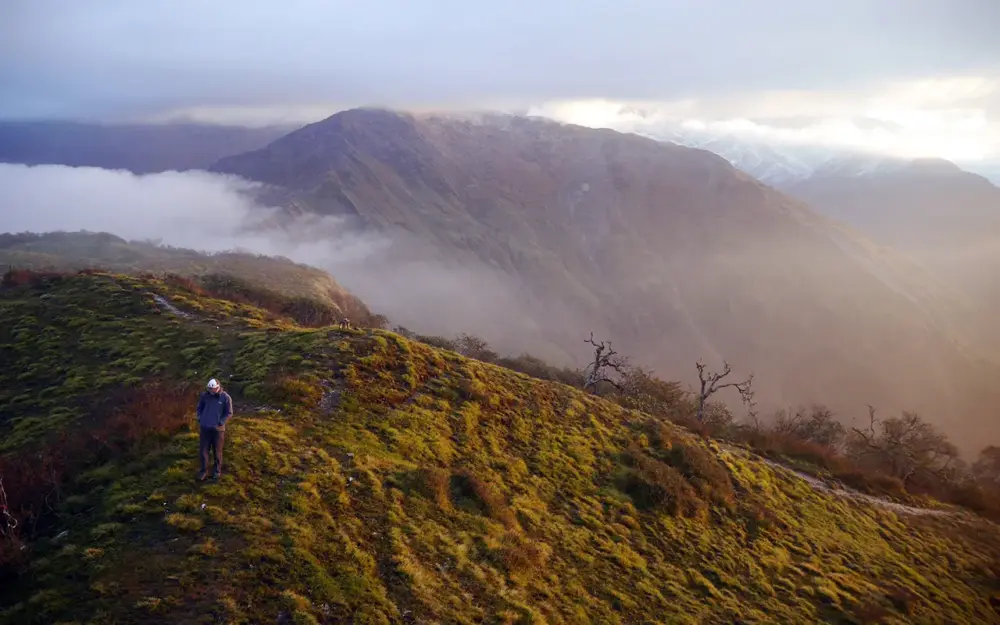
Mulde View Point Trek is a seven day trek in the Annapurna region that combines traditional villages, forest trails, mountain ridges, and panoramic Himalayan views. The trail is recommended for people who do not want to follow one of the busier routes up and down the mountains yet would still enjoy spectacular views and the comfort of tea houses.
The journey begins in Kathmandu, then to Pokhara, and from there to the Annapurna region, which includes the popular Gurung village of Ghandruk. Further along, the road winds through rhododendron forests, villages on the hills, mountain summits and rises to Dobato and Mulde View Point. As the trekkers make their way further into the mountains they have the opportunity to learn a bit about the local culture in the villages along the way, the daily life of the villagers and the changing topography.
The hike is suitable for moderately fit individuals who can commit a few days to the mountain trails. Although it is not necessary to have technical climbing or previous mountaineering experience to make the climb, there are numerous steep ups and downs, and they require endurance and slow pacing to complete. We believe in honestly explaining trekking conditions so travelers can come to Nepal with realistic expectations.
We do all the transportation, permits, accommodation and support of the trekking at Mega Treks and Expedition. With our guides, we’re able to take things easy and also can help along the way to make sure that the trekkers have fun on the way.
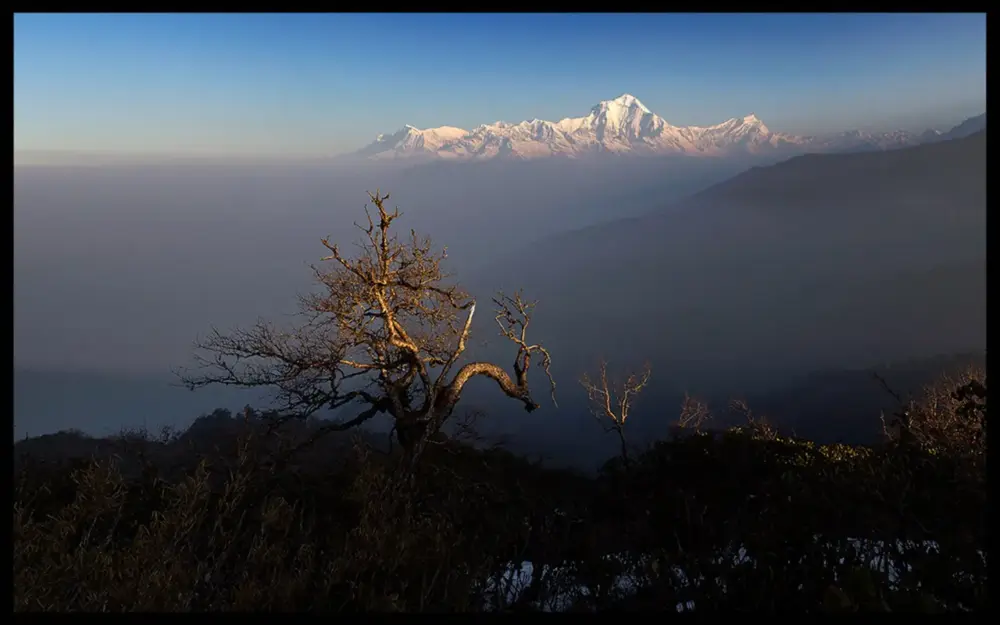
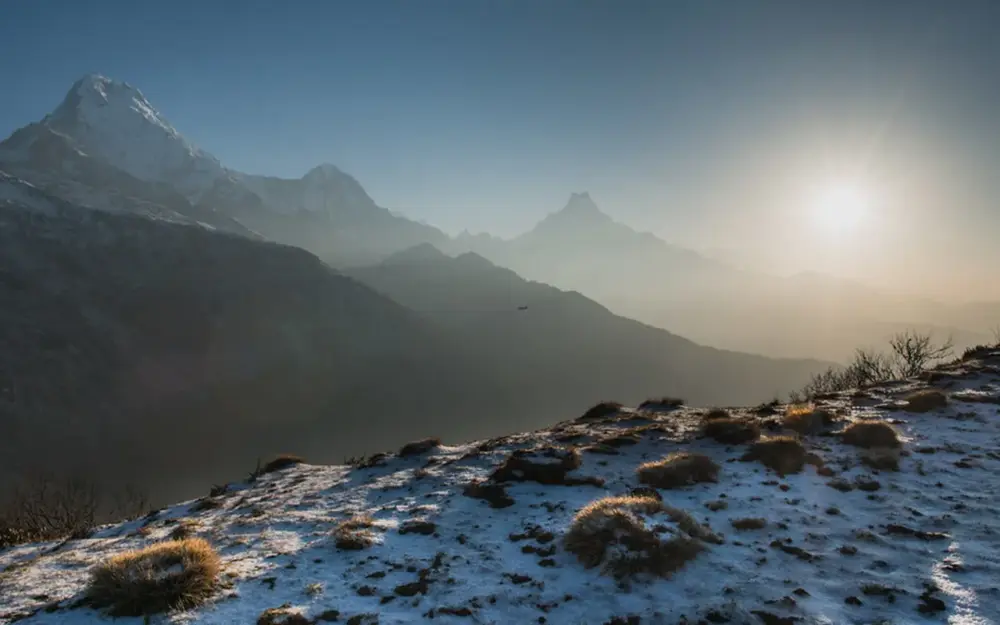
The Mulde View Point Trek offers excellent views of Dhaulagiri, Annapurna I, Annapurna South, Nilgiri, Hiunchuli, Machhapuchhre, and several other neighboring peaks. The highest point of the Mulde View Point Trek is Mulde View Point, from which you can see one of the best panoramic views in the Annapurna region. Visit to Poon Hill in the sunrise has also been included in the itinerary and the trekkers can enjoy 2 of the most popular viewpoints in the region in one trek.
For the traveller who is interested in mountain scenery, local culture, and active days of trekking, but not a longer schedule of the expedition, the Muldai View Point Trek is a great alternative. The Mulde View Point Trek is a blend of nature, traditional villages, and Himalayan views with a manageable duration of seven days.
Your Mulde View Point Trek starts with Kathmandu to Pokhara drive. We will also review the last trip plan before we leave and ensure that all is in place to go. The road passes through villages, hill villages, small towns, along the Prithvi Highway and through the river lands, agricultural lands with terraces.
Road travel is flexible in Nepal as the traffic, road condition and weather sometimes affect the travelling time. We prefer to be honest and make trekkers make plans accordingly. During the trip, one will have a chance to see country landscapes and get acquainted with the life in the Nepalese countryside.
Once we get to Pokhara, we will check into our hotel and pack our trekking equipment before we start on the adventure. Most trekkers stay overnight in the lakeside area or after the journey or organize the trek for the last minute.


After breakfast we’ll leave Pokhara and make our way to Kimche to begin our Mulde View Point Trek. The drive goes through rural villages, through terraced hillside and mountain roads and finally to the trailhead. When we get there, we will pack our equipment and start heading to Ghandruk.
The road gradually climbs over stone-paved roads, old small villages, and farm fields. It’s not that long of a trek day, and we’ll have time to settle into a comfortable pace while enjoying the scenery. As we climb, we begin to notice the mountains around us and can even glimpse the Annapurna range on sunny days.
At Ghandruk we will have the opportunity to visit one of the largest villages of the Gurung people to be found in Nepal. The village boasts of the cultural heritage, mountain views and stone houses. It is also a good place to enjoy the local hospitality and venture deeper into the Annapurna region.
Today we will leave Ghandruk and head towards Tadapani. The trail rises gently through rhododendron and oak woodland, and offers glimpses into mountain views. The road is more peaceful and natural as we leave the village, and this stretch is pleasant to anyone who loves the view of trees.
We will proceed at our own pace throughout the day and rest as needed. The forest is filled in with rhododendrons in flower in the spring, adding color to the landscape. At Tadapani we will set up camp and enjoy a peaceful mountain evening.
After breakfast we will continue traversing deeper into the more tranquil Annapurna area. The trail crosses rural ridges and remote mountains that are less frequented than many of the more popular trekking trails in the area.
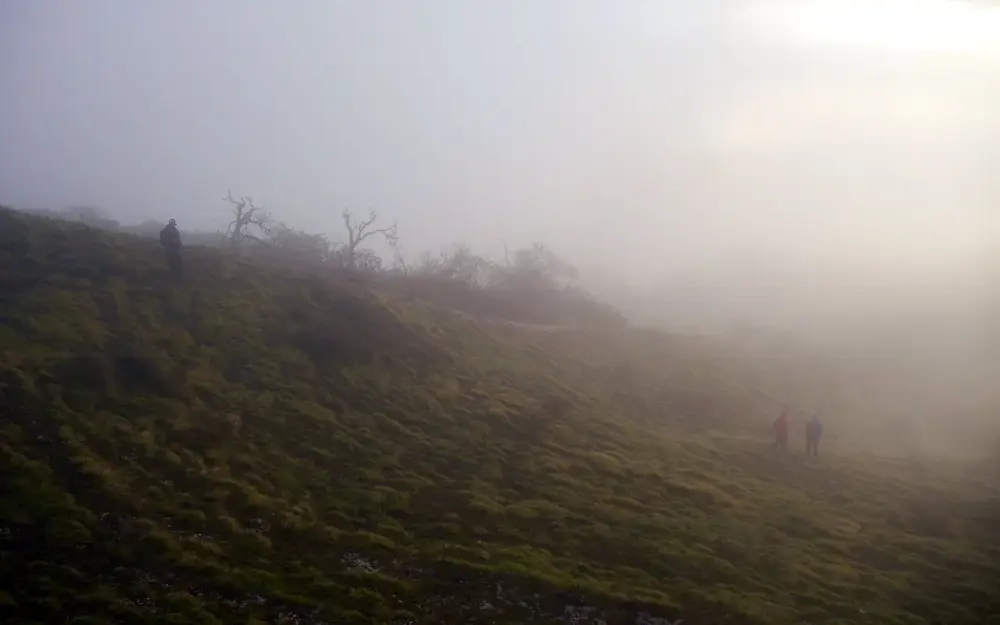
As we go higher we start to see more of the mountain, and different types of vegetation. The ascent is consistent and we will have a guide who will ensure we are moving at a comfortable pace all day long. Upon reaching Dobato, we will continue to enjoy a quiet mountain setting and will be preparing for the early morning walk to Mulde View Point.
Our day will begin early in the morning with a walk to Mulde View Point, the highest point of the trek and one of the best viewing points of the Annapurna region. With favourable weather, we will be able to enjoy the scenic Dhaulagiri, Annapurna I, Annapurna South, Nilgiri, Hiunchuli, Machhapuchhre and many other mountains.
We will get back to Dobato after spending some time on the view point where we will have breakfast and proceed with our journey towards Ghorepani. The walk is through woodland, ridges and open areas of mountain landscape. We will spend all day admiring the varying sceneries and the mountainous glimpses every now and then until we arrive at Ghorepani in the afternoon.
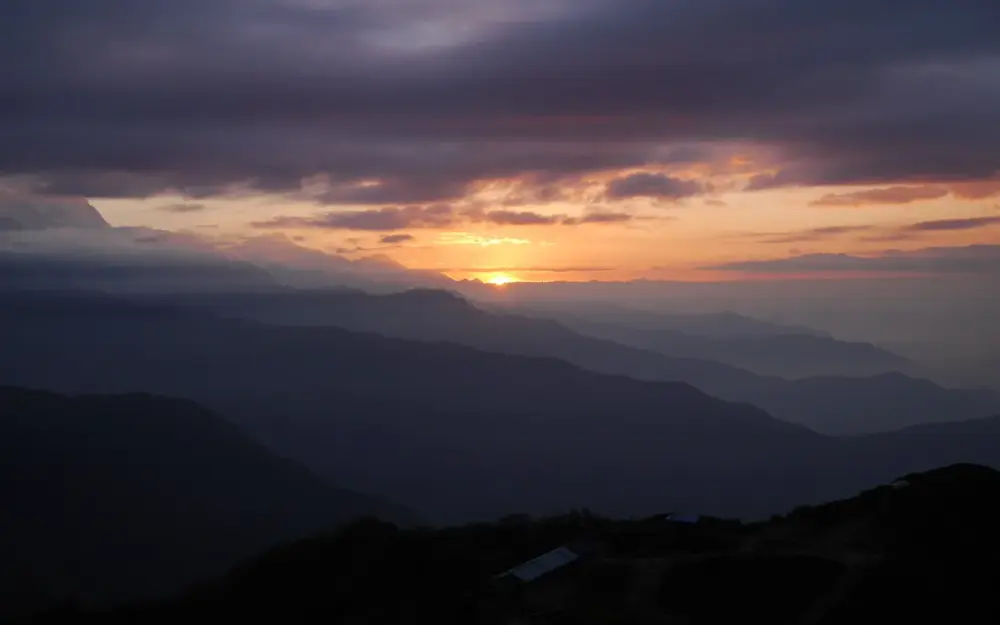
We will start before dawn today and walk to Poon Hill, one of the most popular Nepal viewpoints. During clear morning the sight has a great sunrise view of the Annapurna and Dhaulagiri mountains. We will spend a leisurely time enjoying the views then return to Ghorepani for breakfast.
After breakfast, we will head down to Hille. It follows the route through rhododendron woods, stone steps, old mountain villages. Most of day will consist of downhill walking although we will walk at a regular pace since some parts of the day may be strenuous on the knees.
Upon reaching Hille, we will drive back to Pokhara. After a couple of days on the trail, many trekkers can pause for a moment and contemplate the journey.
We will start the journey back to Kathmandu in a tourist bus after breakfast. The drive follows the same route along the same highway that the vehicle took at the start of the trip and passes through the hilly side, farm communities and small towns, as well as the rivers.
Travel time may not be accurate based on the traffic and road conditions and therefore we would always suggest to have some flexibility in making onward travel plans. Once you arrive in Kathmandu, you will be dropped at the spot and it will be the end of your Mulde View Point trek with Mega Treks and Expedition.

You can cutomize this trip as per your requirements if met the proper guidelines.


Mulde View Point Trek is a moderate trek recommended for people who are reasonably fit to undertake the trek. No technical climbing or past mountaineering experience is required to do the trek and a number of first time trekkers are able to do the trek provided they are ready to spend several days walking in the mountain terrain.
The challenges are the back to back hiking days, the constant going up and down and the slow climb to the higher elevations. The trail continues up to the Mulde View Point, some 3637 m high, where the air is thinner and thus walking is more difficult than at the other lower altitudes.
The trekkers are recommended to train before their arrival by doing frequent walking, hiking, climbing stairs or any exercise which involves the heart. With the right preparations and expectations, both beginners and seasoned trekkers can enjoy the journey. The Muldai View Point Trek is suitable for beginners who have a reasonable fitness level and are prepared for several days of mountain walking.
The Mulde View Point Trek is most preferable to take during spring (March to May) and autumn (September to November). Such seasons will tend to be predictable in weather, pleasant in temperature and predictable mountain scenery.
Particularly popular in the spring is the rhododendron forest that is in bloom in most of the trail. The mountainous area is painted and weather is usually pleasant to hiking. Clear weather, dry weather and good visibility are the characteristics of Autumn that follows the monsoon season.
During winter, December to February, trekking is also possible, provided that the trekkers are comfortable with the colder climate. It is elevated towards Dobato and Mulde View Point and could even receive some snow at this time. The period of monsoon (June-August) is characterized by heavy rainfall, dirty tracks and low visibility of mountains. The seasons of spring and autumn are mostly the most popular people trekking seasons.
Nepal provides visa on arrival to people of most countries who come to the country via Tribhuvan international airport in Kathmandu. Visa fees normally cost USD 30 (15 days) and USD 50 (30 days), but travelers can check on the current requirements before traveling.
In the case of the Mulde View Point Trek Package, the trekkers must have the relevant permits in terms of the Annapurna region that are relevant during the time of travel. Our team arranges the required permits before departure, allowing you to focus on preparing for the trek rather than administrative procedures.
We suggest that you should bring at least six months of your passport and carry some passport-size photos of yourself in case they are needed when obtaining permits or when passing through immigration.
We care about your safety during the trek. Despite the fact that the Mulde View Point Trek does not involve extreme Himalayan altitudes; trekking in the mountain environment can never be done without adequate preparation and awareness.
Our guides have a first aid kit of basic nature and check on the state of the group during the journey. We encourage all trekkers to inform their guide immediately if they experience headaches, dizziness, unusual fatigue, or any other health concerns while trekking.
Adequate hydration, balanced meals, and enough rest are significant towards preserving the energy levels during the trek. Our advice also includes visiting a healthcare provider prior to visiting Nepal and making sure that regular vaccinations are not substandard.
The weather in the mountains is volatile particularly in the higher levels. Our guides are constantly evaluating trail conditions and making judgments by keeping safety in the first place. In our opinion, trekking experience should be safe and comfortable and not about adherence to a plan.
We arrange transport during the Mulde View Point Trek Itinerary with the trust of drivers and vehicles that have experience with the mountain driving conditions. The tour starts with a Kathmandu-Pokhara tourist bus ride and ends with a Kathmandu-Pokhara tourist bus ride.
It also involves transportation in between Pokhara and Kimche in the beginning of the trek and the same between Pokhara and Hille in the end of the trekking part. The state of the roads in Nepal may differ based on weather, traffic and seasonal road repairs, therefore one should always take into consideration the approximate time of traveling.
We prefer to explain transportation conditions honestly and provide realistic expectations rather than promising exact arrival times. Our team observes the situation on the road and informs trekkers about any important alterations that can influence the schedule.
All the trekkers participating in our Mulde View Point Trek Package are required to have the travel insurance. Although this trek remains at a lower elevation than many high Himalayan routes, accidents, injuries, illness, and unexpected travel disruptions can still occur in mountain environments.
We highly recommend you buy a comprehensive travel insurance that includes trekking, emergency medical treatment, hospitalization and helicopter evacuation if required. Rescue operations in Nepal can be expensive and the right insurance provides good financial protection in unfortunate circumstances.
It is important to look over your policy prior to traveling to make sure that trekking activities in Nepal are covered. We also suggest that you bring a copy of your insurance and emergency contacts with you during the trip.
A large number of travelers are willing to make an extra visit to Nepal before or after Mulde View Point Trek. Pokhara also has various attractions such as Phewa Lake, Davis Falls, World Peace Pagoda and the lakeside area where tourists can rest after trekking.
The Mulde View Point Trek Itinerary can be extended with additional trekking experiences in the Annapurna region. For those interested in additional trekking experiences, we can arrange extensions to nearby routes such as the Annapurna Base Camp Trek, Mardi Himal Trek, Ghorepani Poon Hill Trek, or other destinations within the Annapurna region.
Also we can arrange sightseeing tours in Kathmandu, wildlife tours in Chitwan national park, rafting tours or cultural tours in various locations in Nepal. In case you want to extend your vacation our team can suggest you the appropriate days according to your time and interests.
We believe in being clear about costs before the trip begins. The Mulde View Point Trek Package generally covers permits, accommodation during the trek, transportation mentioned in the itinerary, guide services, porter support where included, and meals listed in the itinerary.
Others that are not usually included are international flights, Nepal visa fees, travel insurance, personal trekking gear, guide and porter tips, and personal purchases.
Other expenses in the trek can be the use of hot showers, charging of batteries, WiFi services, snacks, bottled beverages, laundry services, and souvenirs. Most trekkers pay USD 15 to 25 each day on these additional expenses, based on their individual spending habits.
The national language of Nepal is Nepali, and Gurung communities are widespread in most of the villages of the trekking trail. The tourism sector in Nepal is highly English speaking, and our guides are very fluent in English and Nepali.
The majority of tea house owners along the path are used to receiving in international trekkers and have some basic knowledge in English. It is always good to learn some local greetings like Namaste and Dhanyabad that can help in establishing positive interactions with the local residents.
In most villages, mobile network coverage exists but the intensity may change according to the location and weather. WiFi is available in some lodges at an extra charge, yet in isolated mountain locations, the connection is very slow and unstable. We suggest notifying family and friends that communication can sometimes be poor during the trek.
There are several simple guidelines we ask trekkers to follow in order to respect local communities, protect the environment, and help maintain a positive experience for everyone on the trail.
Do not litter the path or near tea houses and lodges. Take your garbage until there are proper disposal sites. We promote reusable water bottles and discourage the use of single-use plastics as much as we can.
Do not disrupt wildlife or harvest plants, flowers, or natural objects in the habitat. The forests and landscapes along the route are an important part of the local ecosystem and should be respected.
Do not consume too much alcohol when trekking. Alcohol may cause dehydration, lower your vitality and may influence your capability to enjoy the trek safely.
Do not touch religious monuments, prayer flags, shrines, or other cultural sites in a disrespectful manner. When visiting villages and religious locations, we encourage trekkers to respect local customs and traditions.
During the journey, the Mulde View Point Trek presents great photographic opportunities. Photographic subjects are extremely varied in mountain views, forests, traditional villages and Himalayan landscapes.
During the trek, you are free to take photographs, although we encourage you to seek permission first before capturing images of locals, especially the old, religious followers and those who practice their daily practices. Most individuals are glad to be taken pictures when treated with respect.
In Nepal, the use of drones is controlled and might need official permission based on the place of use and intended purpose. Regulations can change, and certain protected areas may have restrictions regarding drone operations.
The illegal use of drones may lead to fines or seizure of equipment. In case of professional photography or filming needs, you should consult our team regarding your trip in advance to inform us about what you need to know to arrange your trip according to the latest rules.
If this is your first trekking experience in Nepal, a little preparation can make your journey significantly more comfortable. We recommend beginning a basic fitness routine several weeks before departure. Daily walking, hiking, climbing stairs or cardiovascular activity can train your body to endure several days of trekking.
It is also good to arrive in Kathmandu at least a day or two before the trek. This will give time to unwind after traveling internationally, packing equipment, and visit briefing of the trip without hurry.
Dress in layers as the weather in Pokhara may be significantly different than the weather in the higher altitude of Dobato and Mulde View Point. Useful things to carry include a waterproof jacket, warm fleece, comfortable trekking boots, sun protection, and a reusable water bottle.
Good quality trekking boots should be worn before the trip rather than being used for the first time on the trail. Correctly worn shoes can minimize the possibility of blisters and pain.
Above all, have realistic expectations. The weather can sometimes shift in the mountains, transportation schedules, and trail conditions. A flexible attitude and positive approach often contribute as much to a successful trek as physical fitness.
The Mulde View Point Trek is considered a moderate trek. It also does not need any technical climbing experience, yet trekkers must feel at ease walking several days in a row over mountain trails with frequent uphill and downhill climbs.
Past experience in trekking is desirable but not a must. Numerous novice trekkers can make it through this route with good fitness and adequate preparation prior to arrival.
The peak of the trek is Mulde View Point which is about 3,637 meters above sea level.
The best seasons are typically spring (March-May) and fall (September-November), when the weather is predictable and the mountains can be counted on.
The risk is not as high as many other Himalayan treks, yet some of the trekkers can have slight altitude-related symptoms. It is important to remain hydrated and walk at a moderate pace.
There are local tea houses and mountain lodges where accommodation is offered. The rooms are usually basic, clean and fit the trekking conditions.
The tea houses offer a wide range of food such as dal bhat, fried rice, noodles, pasta, soups, potatoes, eggs, pancakes, porridge and hot drinks.
Yes. Trekkers require the necessary Annapurna region permits applicable at the time of travel. We organize the necessary permits in advance.
The trek takes the less traveled trails and gives a panoramic mountain view of Mulde View Point and avoids some of the busier parts of other Annapurna trekking routes.
Yes. Individual travelers may take advantage of scheduled group departures or book personal departures on their favorite dates.
Certain lodges offer WiFi services at a premium, but the connection can be slow and unreliable based on the location and weather.
The charging facilities of phones, cameras, and power banks are available in most lodges. A small fee is usually charged for this service.
Essential items include trekking boots, warm clothing, waterproof layers, sun protection, a daypack, reusable water bottle, and personal medications.
Guide and porter services are based on the package. Our team provides professional support and assistance throughout the trek.
Yes. We highly suggest a good travel insurance covering trekking activities, medical treatment, and evacuation services in case of emergencies.
Personal expenses vary, but many trekkers budget approximately USD 15 to 25 per day for drinks, snacks, WiFi, charging fees, and personal purchases.
Dhaulagiri, Annapurna I, Annapurna South, Nilgiri, Hiunchuli, Machhapuchhre and a number of other Himalayan peaks can be seen by trekkers on clear days.
Yes. The program will involve a morning walk to Poon hill to see the sun rise and later a walk down to Hille and back to Pokhara.
Yes. The Mulde View Point Trek Itinerary can be customized according to your schedule, fitness level, and travel interests.
You may reach Mega Treks and Expedition via our web site, email or by direct inquiry. Our team will give trip details, availability, pricing information and booking procedures.


 Write a Review


